
The Sidney Braided Headband 2: A British Hair Accessory Classic
The Sidney braided headband 2 isn't something you'd find in a museum, but it captures a specific moment in British hair accessory design. The first Sidney headband was a single, slim band of braided silk. This second version introduced a wider, double-braided construction that gave the piece more substance and a soft, sculptural quality. It sits comfortably across the crown, with two parallel braids meeting at a central knot or bow, often finished with a small metal clasp at the back. The design feels both practical and decorative, rooted in the post-war desire for accessories that could go from a morning in the garden to an evening at the local dance hall.
What Makes the Sidney Braided Headband 2 Distinctive
The most obvious difference between the original and the “2” is the width and braid pattern. The first headband used a single four-strand braid, roughly half an inch wide. The Sidney 2 uses two interlocking braids, each about a quarter of an inch, stitched side by side. This creates a textured band nearly three-quarters of an inch across, with a subtle ribbed effect that catches light differently depending on the angle. The braids are typically made from rayon or silk velvet, though later reproductions use a high-quality acetate satin. The central knot isn't just decorative—it hides the join where the two braids meet and provides a gentle anchor point that keeps the headband from slipping backward on finer hair.
A Brief History of the Braided Headband in British Fashion
Braided headbands have a longer history than many realise. Edwardian bandeaus were often made of ribbon or metallic thread, but the true precursor to the Sidney 2 appeared in the 1930s, when milliners began using corded fabrics to create flexible headwear. After the Second World War, with fabric rationing still fresh in memory, designers turned to smaller, more economical accessories. The braided headband became a staple because it used minimal material while offering a polished finish. By the mid-1950s, British department stores such as John Lewis and Liberty stocked versions in navy, burgundy, and forest green. The Sidney 2, with its double braid, was often marketed as a “smart casual” piece, suitable for both day dresses and tailored suits. Its popularity waned in the 1960s as larger, more sculptural hairpieces took over, but it never disappeared entirely. Vintage examples still surface at car boot sales and in estate collections, prized for their intact braiding and subtle lustre.
Materials and Construction: What to Look For
Authentic Sidney 2 headbands from the 1950s and early 1960s share several construction markers. The braids are hand-stitched, not machine-woven, which gives them a slight irregularity that machine-made copies lack. The fabric is almost always a silk or rayon velvet with a short pile; the pile direction runs consistently from left to right across the band. The core of each braid is a thin strip of buckram or millinery wire, providing enough structure to hold the shape without feeling stiff. The back clasp is typically a small metal clip with a spring mechanism, stamped with the word “Sidney” or “Made in England.” Later reproductions from the 1970s sometimes use plastic clips, but the original metal versions are more durable. When examining a piece, run your fingers along the braid—if you feel a uniform smoothness with no loose threads or frayed edges, the headband is in good condition. Pay special attention to the central knot: the stitches there should be tiny and evenly spaced, not bulky or pulled tight enough to distort the fabric.
Identifying Genuine Vintage vs. Modern Revival
In the past ten years, several small British brands have revived the Sidney 2 silhouette, using new velvet and nylon-lined clips. These are perfectly wearable and often more comfortable than vintage pieces, but they lack the specific material qualities of the originals. A genuine 1950s headband will have a slightly irregular braid width because it was hand-assembled; modern machine-made versions are uniform. Also, vintage velvet has a deeper, more matte colour because the dyes were different—compare a vintage navy to a modern one, and the older piece will appear almost charcoal in low light. If you are collecting, look for headbands that still have their original box or a small fabric swatch attached; these are rare but confirm provenance.
Styling the Sidney Braided Headband 2 with a Modern Wardrobe
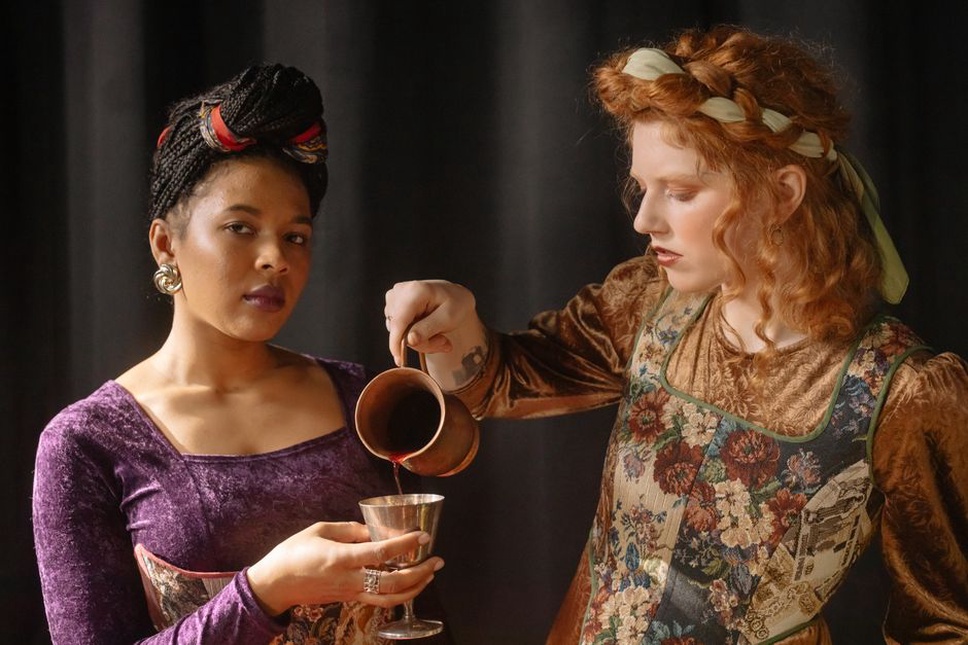
The Sidney 2 is remarkably versatile. Its width means it can hold back a substantial amount of hair, making it ideal for those with medium to thick textures. For a daytime look, wear it with a simple white blouse and a high-waisted tweed skirt—the braid adds texture without competing with the outfit. In the evening, pair it with a velvet blazer or a silk slip dress; the headband’s own velvet or satin finish will echo the fabric of the clothing. Many readers find that the Sidney 2 works especially well with mid-length hair, where the band can sit just behind the hairline without slipping. If you have shorter hair, try positioning it further back, almost at the crown, and let the front layers fall forward for a softer effect. For a more playful approach, combine the headband with a Cherry Beret—the contrast between the structured beret and the braided band creates an unexpected layered look that feels both vintage and fresh.
Care and Preservation
Because the Sidney 2 uses delicate fabrics and a metal core, proper care is essential. Never submerge the headband in water; the metal clip can rust and the buckram core may lose its shape. Instead, spot-clean with a barely damp cloth and a drop of mild soap, working in the direction of the velvet pile. Allow it to air dry flat on a towel, never in direct sunlight. To store, keep the headband in a fabric pouch or a small box, away from other accessories that might snag the braid. If the braid becomes flattened, you can gently steam it with a handheld steamer, holding the nozzle about six inches away—this relaxes the fibres without soaking them. Avoid using a hot iron directly on the velvet; the heat can crush the pile permanently. With regular care, a well-made Sidney 2 headband can last for decades, and many vintage examples from the 1950s are still perfectly wearable today.
Where to Find Vintage Sidney 2 Headbands
Britain remains the best hunting ground for these pieces. Check charity shops in affluent areas, especially those that accept vintage donations. Online platforms such as Etsy and eBay have dedicated vintage sellers who catalogue the condition carefully. When searching, use terms like “vintage braided headband 1950s,” “Sidney hairband,” or “double velvet headband.” Be cautious of listings that claim “vintage style” but use modern materials—ask the seller for photos of the inside of the clip and the back of the knot. A true Sidney 2 will have a small metal clip, often with a maker’s mark. The price range varies widely: a headband in excellent condition with no fraying or rust can fetch between £20 and £45, while a rare colour like emerald green or deep plum might go higher. For those who prefer not to search, several contemporary British makers produce faithful reproductions using vintage techniques; these are often labelled “Sidney-inspired” and cost around £30.
Collecting Notes: The Sidney 2 in the Context of 1950s Hair Accessories
The Sidney 2 belongs to a family of post-war accessories that prioritised function without sacrificing elegance. Unlike the ornate Esme Comb, which required careful placement and often a hairstyle built around it, the headband could be slipped on in seconds. It also contrasts with the more playful Red Gingham Bow Barrette, which leaned into youthful whimsy. The Sidney 2 occupies a middle ground—it is sophisticated enough for a working woman’s wardrobe yet charming enough for weekend leisure. Collectors often find that the headband pairs well with a simple hairstyle: a low ponytail, a side part, or even loose waves. Its strength lies in its ability to add polish without shouting for attention.
A Final Practical Note
When you do acquire a Sidney braided headband 2, take a moment to examine the knot. If it is slightly off-centre or the braids do not align perfectly, do not worry—that is a sign of hand manufacture. The slight asymmetry is part of its character, a reminder that it was made by someone who stitched each turn with care. To keep it looking its best, store it flat and away from heavy objects. And the next time you wear it, notice how the double braid catches the light differently as you move—that subtle play of texture is what makes this small accessory a lasting piece of British design.