
The Yellow Maison Archives Scrunchie: A Collector’s Guide to the Rare 1980s Hair Accessory
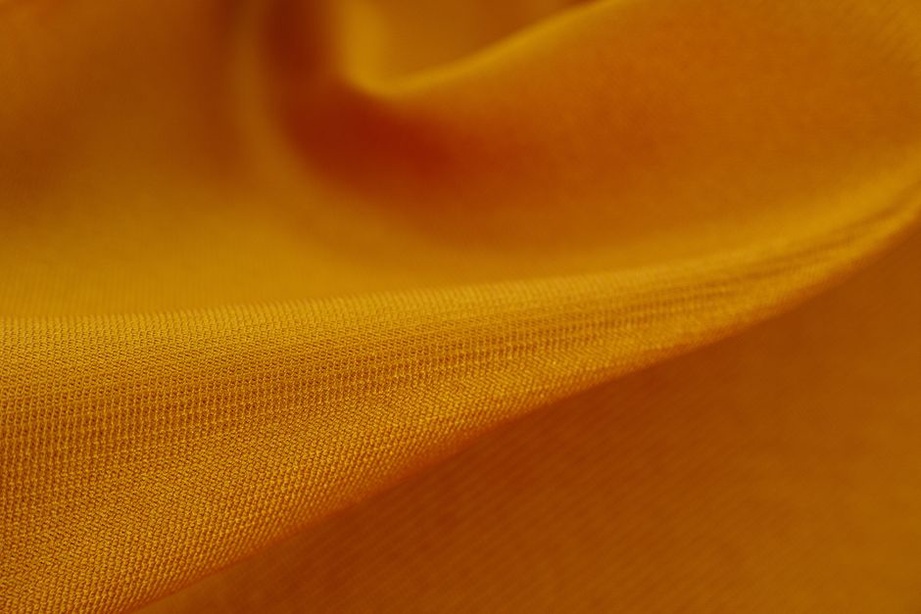
Among the most covetable pieces in the Products o u x Maison Archives series, the yellow scrunchie stands apart for its cheerful hue and the fabric treatment that sets it apart from the brand’s velvet and silk offerings. Unlike the deep burgundy or forest green iterations, this lemon‑toned example was produced in a limited batch using a lightweight, slightly ribbed silk‑cotton blend that catches the light with a soft matte finish. The signature Maison Archives construction—a wide gathered ruffle attached to a hidden elastic core—is executed here with pleats so fine that each one measures less than three millimetres across. British collectors who specialise in the 1980s and 1990s hair accessory revival often cite this specific colour way as one of the harder variants to source in unworn condition, partly because the pale fabric shows age more readily than darker shades, and partly because the dye lot itself was small and poorly documented.
The Colour and Its Place in British Accessory History
Yellow was not a typical choice for high‑street hair accessories in Britain during the 1980s. While pastel pinks and powder blues dominated the early part of the decade, the late‑1980s shift toward bold, acid‑bright colours—influenced by the Memphis Group aesthetic and the emerging rave scene—brought lemon, chrome yellow, and even chartreuse into the mainstream. Maison Archives, a small London‑based atelier that operated between 1986 and 1993, deliberately positioned itself against this trend by using muted, naturalistic yellows reminiscent of vintage silk ribbons rather than screaming neons. The result was a scrunchie that could be worn with both a tweed blazer and a black velvet dress, a versatility that today makes it a favourite among British vintage stylists.
The dye used for this run was a direct‑reactive type on a cotton‑silk base, which means the colour saturates each fibre rather than coating the surface. This yields a depth that modern polyester imitations cannot replicate—hold an original Maison Archives yellow scrunchie next to a contemporary scarf and you will see a subtle variation in tone across the folds, a sign of the hand‑dyeing process. For those who admire the carefully sculpted resin of an Elena Hair Clip from the same decade, the juxtaposition of hard and soft materials creates a fascinating collector's narrative; both were made in small batches, both represent the artisan’s touch in an era of mass production.
Construction Details That Matter to Collectors
Authenticating a Maison Archives scrunchie requires attention to three elements:
- Elastic width. The internal band is exactly 2.5 cm wide, made from a natural rubber core encased in cotton twill. Many later reproductions use a narrower elastic that wrinkles the fabric unevenly.
- Pleat count. A genuine yellow scrunchie has between 22 and 24 pleats per quarter circumference. Count along a visible edge; if the pleats exceed 26 or fall below 20, the piece is likely a different model or a later reinterpretation.
- Fabric selvage. The inner seam is hand‑finished with a French fell, a technique rarely used in commercial scrunchie production after the early 1990s. Run your finger along the inside—the seam should feel smooth, not rough or overlocked.
Careful owners also note that the original fabric has a faint, slightly sweet smell of beeswax and linen, a remnant of the finishing spray Maison Archives applied before packaging. This vanishes after dry‑cleaning but can help confirm a piece that has never been washed.
Styling the Yellow Scrunchie with a Modern Wardrobe
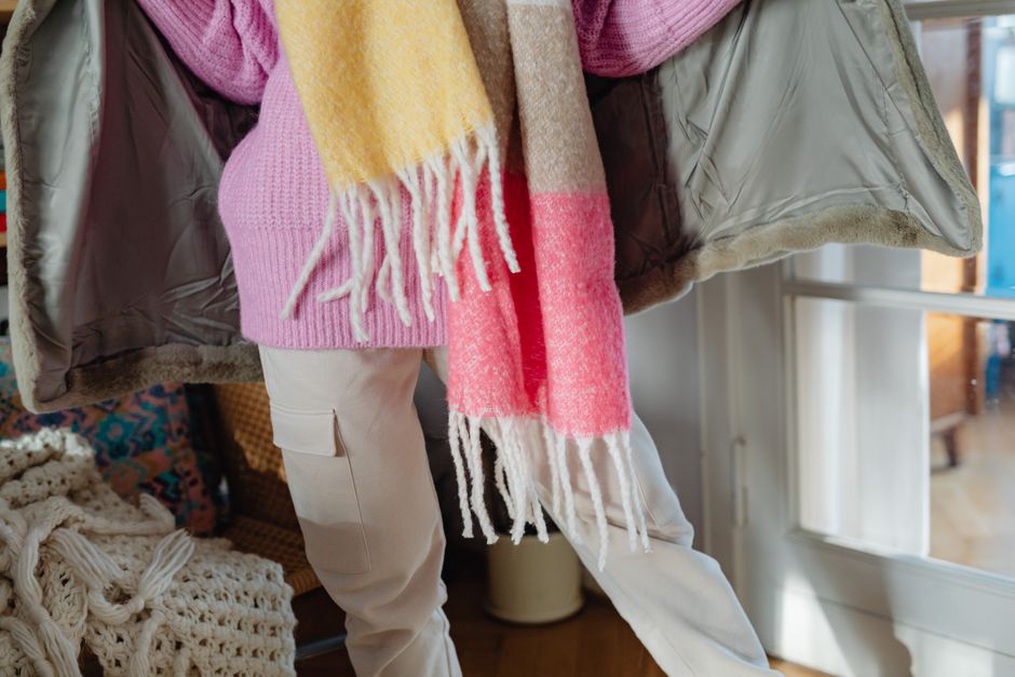
The challenge of a pale yellow scrunchie is to avoid the costumey look that often accompanies bright hair accessories. British editors and vintage stylists recommend these pairings:
- With a neutral base. A cream cashmere jumper, charcoal wide‑leg trousers, and the scrunchie worn in a low side ponytail or loose bun. The yellow adds warmth without competing.
- As a bracelet. Scrunchies were originally designed for hair, but the Maison Archives size (approximately 10 cm in diameter when relaxed) fits easily around a wrist. Wearing it as an accent bracelet with a navy trench coat is an understated way to introduce the piece to an everyday look.
- With structured accessories. Pair the soft gathered fabric with a tortoiseshell hair clip or a mother‑of‑pearl claw for texture contrast. The interplay of materials echoes the layered approach of 1990s editorial styling.
One practical tip: because the yellow shows dirt more readily, avoid wearing it on freshly oiled hair or in rainy weather. A quick prepping spray of dry shampoo on the roots before placing the scrunchie can keep the fabric clean longer.
Care and Preservation: Keeping the Yellow True
The silk‑cotton blend is delicate, and the yellow dye is sensitive to light and alkaline detergents. Here is a preservation routine specific to this piece:
- Storage. Never hang the scrunchie. Instead, lay it flat in a lined drawer or wrap it in acid‑free tissue paper. Direct sunlight will fade the yellow to a pale cream within weeks.
- Cleaning. Hand‑wash in lukewarm water with a drop of gentle shampoo (not laundry detergent). Rinse until the water runs clear, then roll the scrunchie in a dry towel to absorb moisture. Do not wring or twist.
- Restoring the ruffle. While slightly damp, gently pull the pleats back into shape and place the scrunchie on a flat surface to air dry. If the elastic has relaxed, a seamstress can replace the core without affecting the outer fabric—a service offered by several specialist vintage restoration studios in London and Brighton.
- Ironing. Use the lowest heat setting on a silk programme, and always place a pressing cloth between the iron and the fabric. Steam off, never directly on the pleats.
The yellow Maison Archives scrunchie is not a piece for everyday wear; it is a small textile artefact that rewards careful handling. Whether you acquire it at a Bermondsey antiques market or inherit it from a relative who kept it in a jewellery box since 1990, treat it as you would a vintage silk scarf. A single loose thread is not a flaw—it is evidence of the hand that cut and gathered the fabric, a signature that no modern factory can forge.