
Naomi Mocha: The Vintage Hair Colour That Whispers Elegance
When a vintage hair accessory is described as "Naomi Mocha," what exactly does that mean for a collector in Britain? It is not a brand name, nor a specific decade. Instead, it refers to a very particular colour family — a soft, milky brown with cool undertones, often compared to a latte with extra cream or the inside of a well-worn leather glove. In the world of vintage hairpieces, this shade sits between the stark blacks of the 1940s and the bright tortoiseshells of the 1970s, offering a neutral that flatters both silver and golden hair. For the British collector, Naomi Mocha pieces are a quiet find: they appear in charity shops, at car boot sales, and in the back of grandmother's dressing table drawer, usually in the form of a clip, a barrette, or a small comb. Understanding what makes this shade special — and how to wear it today — reveals its understated charm.
What Is Naomi Mocha? A Colour, Not a Brand
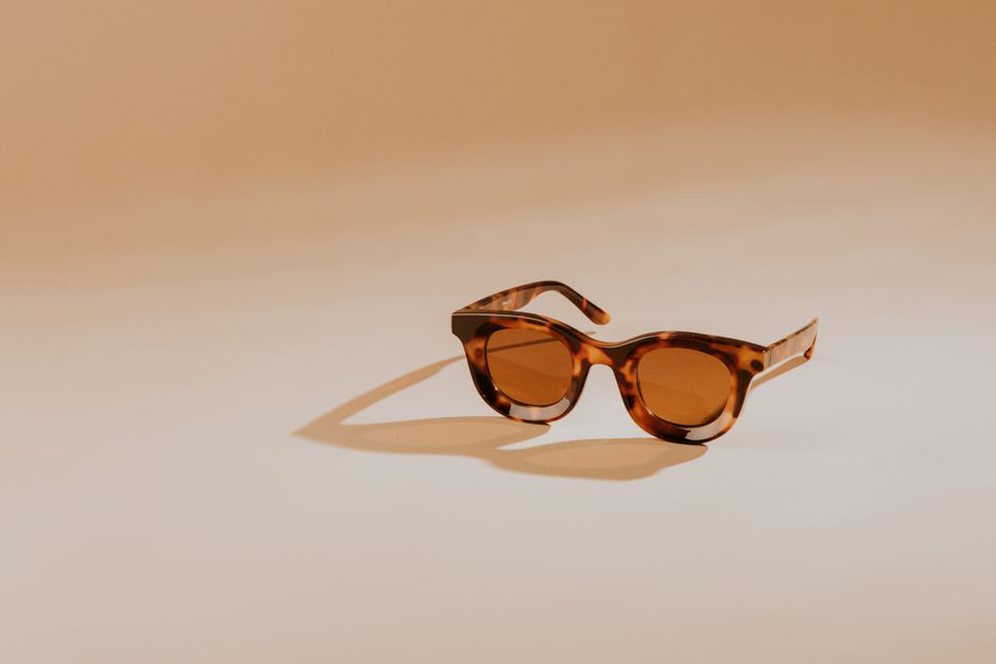
The term "Naomi Mocha" is not an official manufacturer's name. It is a collector's shorthand that has grown in online vintage circles, particularly in the UK, to describe a glossy, semi-transparent brown that looks almost smoky in low light. Unlike the amber-toned tortoiseshell that dominates most vintage hair accessories, Naomi Mocha has a greyish or taupe base, with subtle warm highlights that catch the light when the piece is moved. Think of the colour of a freshly brewed mocha with a generous foam layer — but with a hint of ash, so it never tips into orange.
In practical terms, you will find this shade on:
– Celluloid combs from the 1920s and 1930s
– Post-war plastic barrettes and snap clips
– Velvet-covered bands with a mocha-toned fabric
– Horn-look alberts and claw clips from the 1980s
The appeal lies in its versatility. Naomi Mocha does not fight with the hair colour; it melts into brunette locks and provides a gentle contrast on blonde or grey. For British readers who favour a muted, heritage-inspired palette, this is the accessory equivalent of a good camel coat.
Materials and Techniques Behind the Shade
To understand why Naomi Mocha pieces feel different from ordinary brown plastic, you have to look at the materials. Early examples, from the 1920s to the 1940s, were often made of cellulose acetate or casein. These natural-based plastics were prized for their depth of colour — they were not simply painted on the surface but dyed through, so the shade runs all the way through the material. When held to the light, a genuine vintage mocha comb shows a subtle translucency, almost like a fine whisky.
Later pieces, from the 1950s onwards, often used polystyrene or urea formaldehyde, which gave a glossier, more uniform finish. The manufacturing technique mattered too. Many mocha-coloured combs were press-moulded, which left a slight seam on the edges — a useful clue for dating. Hand-polished examples, where the edges are smooth and slightly rounded, are generally earlier and more valuable.
For the modern collector, the trick is to look for the depth of colour. A true Naomi Mocha piece will have a rich, almost smoky appearance, with no visible paint flaking. If the brown looks flat or has a plastic sheen that seems cheap, it is likely a modern reproduction, often made in China and sold as "vintage style."
The Cult Silhouettes of the 20th Century
Each decade put its own spin on the mocha shade. In the 1920s, long decorative combs — often worn in pairs at the sides of a bob — were the must-have. These were frequently carved with Art Deco geometric patterns, and a mocha-tinted example would have been a chic alternative to the more common black or tortoiseshell. The 1930s brought the "snood comb," a small curved piece used to hold a mesh snood at the nape of the neck; mocha versions are rare but delightful finds.
The 1940s, with its utility and rationing, saw simpler designs: plain barrettes with a metal hinge, often in a dark mocha that read as brown but was more practical than black. The 1950s, however, is the golden era for Naomi Mocha. This was the age of the "butterfly clip" — a large, decorative clip that sat on top of the head, often with a sculpted floral or leaf motif. Mocha was a popular choice because it complemented the pastel colours of New Look dresses without overpowering them.
By the 1970s, the shade reappeared in the form of oversized claw clips and banana combs, often with a high-gloss finish that reflected the decade's love of shine. These are the pieces most likely to turn up in British charity shops today, and they are perfect for the modern wearer who wants a touch of retro without looking like a costume.
How to Wear Naomi Mocha with a Contemporary Wardrobe
The beauty of this shade is that it is not loud. You can wear a large mocha claw clip with a simple white shirt and jeans, and it will look intentional, not fancy-dress. For a more polished look, pair a mocha barrette with a camel trench coat or a chunky knit in oatmeal. The neutral tone bridges the gap between warm and cool colours, so it works with both gold and silver jewellery.
One of the easiest ways to style a Naomi Mocha piece is to create a low chignon and secure it with a single long comb. Slide the comb in vertically, just behind the ear, so the decorative top is visible. This is a classic British look that feels both refined and effortless.
For shorter hair, a small mocha snap clip can be used to pin back a fringe or to add a touch of structure to a pixie cut. The key is to let the accessory sit naturally — do not over-style. The vintage appeal comes from the ease with which it is worn.

Vintage Finds and Where to Look in the UK
Because Naomi Mocha is a shade rather than a label, you have to train your eye. Charity shops in affluent areas — think cathedral towns or leafy suburbs — are surprisingly good hunting grounds. Look for pieces that are heavy for their size, as this often indicates a denser, older plastic. Also check the hinge: a metal hinge with visible screws is a good sign of a mid-century piece, while a plastic hinge suggests a later, cheaper version.
Car boot sales are another excellent source, especially in the summer months. Arrive early and ask sellers if they have any "old hair things" — many people keep them in a box of sewing supplies and will sell them for a pound or two. Online marketplaces like eBay and Etsy are useful, but beware of sellers who use the term "vintage" loosely. If the price seems too good for a true 1950s piece, it probably is.
When you do find a Naomi Mocha gem, do not be put off by a little grime. A gentle clean with warm soapy water and a soft cloth will restore most pieces. Avoid harsh chemicals, as they can strip the colour.
Caring for Your Mocha Treasures
Vintage plastics are more delicate than modern ones. They can become brittle with age, so always store your pieces flat, preferably in a soft pouch or a lined jewellery box. Avoid leaving them in direct sunlight, as this can cause fading or, worse, discolouration — a mocha piece can turn a strange orange if exposed to UV for long periods.
To keep the shine, you can rub a tiny amount of mineral oil onto the surface with a cotton wool pad. This is especially helpful for pieces that feel dry or look slightly dull. Do not use furniture polish or silicone sprays, as they can leave a residue that attracts dust.
If a hinge is loose, a watchmaker or a jeweller can often tighten it for a small fee. Do not attempt to glue it yourself, as this can ruin the piece. For collectors, a well-maintained mocha clip is a joy to wear, and with proper care, it will last for decades more.
Building a Small Collection
You do not need a huge assortment to enjoy Naomi Mocha. A handpicked set of three or four pieces — a long comb, a barrette, and a claw clip — is enough to add polish to any outfit. Start with a piece that speaks to you, perhaps a 1950s butterfly clip that you find at a local antiques fair. Then, over time, add a plain barrette for everyday wear and a statement comb for special occasions.
When you are choosing, hold the piece against your hair and check the contrast. Naomi Mocha works best on hair that is medium to dark brown, but it also looks lovely on silver or grey hair, where it adds warmth. If you have blonde hair, choose a lighter mocha with more cream in it, rather than the deeper, ashier tones.
For those who are new to vintage hair accessories, the process of learning to identify genuine pieces is half the fun. A good starting point is to study the small details — the weight, the colour depth, the construction. Over time, you will develop an eye for the real thing, and your collection will grow organically, piece by piece.
The Joy of the Hunt
There is a particular thrill in finding a Naomi Mocha piece in the wild. Unlike the more famous tortoiseshell or jet, it is not immediately obvious to the untrained eye. You have to look closely, turn it over, and hold it to the light. When you do, you are rewarded with a subtle, sophisticated accessory that has a story to tell. Perhaps it belonged to a woman who wore it to a dance in 1953, or to a secretary who clipped her hair back while typing letters in the 1960s. That connection to the past is what makes vintage collecting so special.
Next time you are browsing a charity shop or a market stall, take a moment to look for that quiet brown clip tucked between the bangles and the brooches. It might not shout for attention, but that is exactly its charm. A Naomi Mocha piece is a whisper of elegance, and once you own one, you will understand why it deserves a place in your collection. Start with a single comb from a 1950s butterfly clip — the kind with a sculpted leaf motif — and wear it with a simple white shirt. That is all it takes to bring a bit of quiet history into your day.