
The Kelly Bow: A Vintage Hair Accessory Icon in British Fashion
The Kelly bow is not a single product but a family of hair bows that echo the poised, sculptural elegance associated with mid-20th century British style. Named after the actress and princess whose polished public image defined an era, the Kelly bow typically features two symmetrical loops and long, flowing tails, crafted from rich fabrics such as silk taffeta, velvet, or crisp satin. Unlike the floppy, girlish ribbon bows of earlier decades, the Kelly bow is structured, often with a hidden wire edge or interfacing, so it holds its shape whether pinned at the crown, the nape, or the side of the head. For collectors and vintage enthusiasts in the UK, understanding the nuances of this iconic silhouette transforms a simple accessory into a piece of cultural history.
What Defines a Kelly Bow?
The term “Kelly bow” appears in vintage catalogues and dressmaker patterns from the late 1940s through the early 1960s. Its key characteristics are:
- Symmetry: Two identical loops, each of equal width and height.
- Tail length: Tails that fall below the loops, usually cut at a clean angle or dipped.
- Fabric: Substantial materials—satin-backed velvet, grosgrain, or heavy charmeuse—that resist crumpling.
- Construction: The centre is hand-gathered or pleated, then secured with a matching fabric band or a simple metal clip sewn onto the back.
- Wear: Most often attached to a barrette, a hair comb, or a discreet alligator clip, allowing the bow to sit above the hairline without slipping.
These bows were frequently sold as separate accessories, but they also appeared sewn directly onto hats or headbands. A true Kelly bow carries a sense of architectural balance—no floppy edges, no uneven loops.
Materials and Craftsmanship
In the golden age of British millinery, the Kelly bow was made by hand. A single bow might involve cutting the fabric on the bias for a fluid drape in the tails, then stiffening the loops with a fine iron-on interlining. Many original pieces used a thread-wrapped wire sewn into the outer edge of each loop; this technique allowed the wearer to twist or flatten the bow to taste, yet the structure always bounced back. The best surviving examples come from makers like „Eugenie“ of London and „deBrett“ of Manchester, though most were unbranded and sold in small millinery shops. Today, reproductions exist, but vintage originals retain a specific weight and hand-feel that cannot be perfectly copied.
Silk Taffeta vs. Velvet
Silk taffeta Kelly bows are the most common in black, navy, or dusty pink. The taffeta makes a whispery rustling sound and holds a crisp crease. Velvet Kelly bows, especially in deep jewel tones or black, were considered evening wear. They often include a velvet-covered comb or a small tortoiseshell barrette sewn into the back. A careful collector will check the stitching of the centre knot: original hand-stitching is irregular but strong, while machine-made knots from the 1970s or later are more uniform and often less durable.
The Kelly Bow in British Fashion History
The bow reached peak popularity during the early 1950s, when Christian Dior’s New Look silhouette demanded equally polished hair accessories. British women who could not afford a full couture wardrobe adopted the Kelly bow as an affordable lift. Photographs of garden parties, weddings, and even wartime rationed dances show the bow pinned conservatively at the back of the head for daytime, or worn high and off-centre for evening glamour. While the Clemie Hair Claw of the 1980s speaks to a different era of hair accessory design, the Kelly bow remains a testament to the enduring appeal of the bow silhouette, offering a contrast between structured femininity and casual practicality that still resonates today.
Where to Find Authentic Vintage Kelly Bows
British readers have several hunting grounds:
- Portobello Road Market (London): Stalls specialising in vintage accessories sometimes carry unsorted boxes of bows. Look for the distinctive hand-stitched centre and any remains of a maker’s label.
- Vintage textile fairs in the Midlands – especially in Nottingham and Leicester, where the hosiery and ribbon trade was strong.
- Online auction sites – always filter for “Estate lot hair bows” or “vintage millinery accessories” rather than “Kelly bow” alone, as many sellers do not know the name.
- Antique button and trim dealers – these often acquire boxes of unsorted notions from old dressmaker shops. A Kelly bow might be tucked among lace and ribbons.
When inspecting a candidate, gently bend one loop. If the wire edge has snapped or corroded, the bow may need delicate restoration; otherwise, a little steam can revive the shape. Never submerge a vintage silk bow in water—spot clean with a barely damp cloth and reshape flat to dry.
Styling the Kelly Bow Today
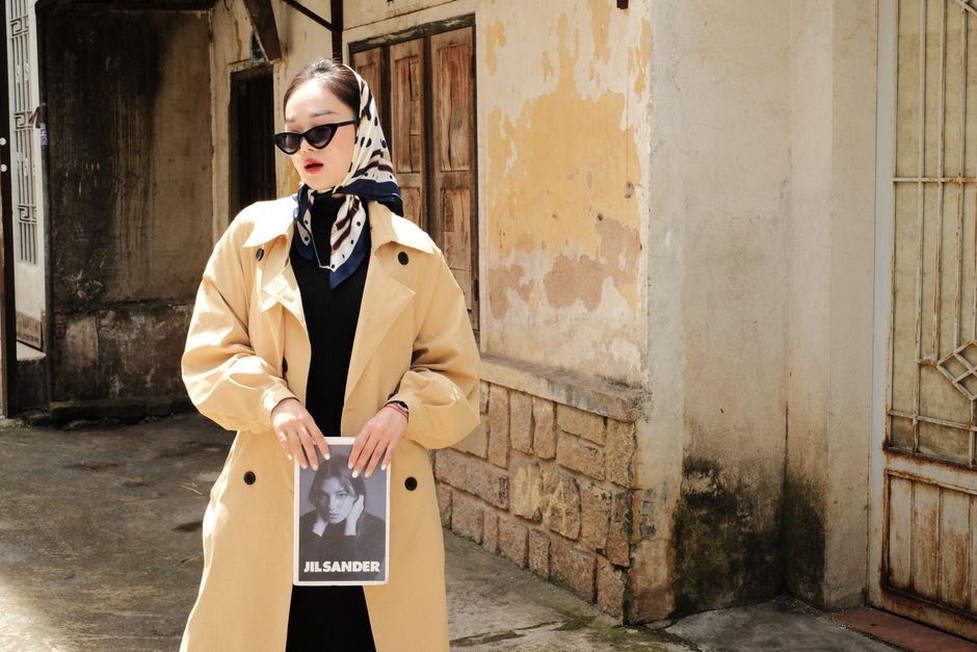
The Kelly bow pairs beautifully with modern British wardrobes. For a casual look, clip a small velvet Kelly bow onto a low ponytail or a side braid. The contrast of a polished bow with a simple knit jumper or a trench coat creates a refined but not precious effect. For evening, a large silk taffeta bow worn at the crown of an updo echoes the drama of a 1950s film premiere without looking costumed. The key is letting the bow be the focal point—keep earrings small or absent, and choose a neckline that does not compete (a high neckline or a V-neck work best).
Care and Preservation
Vintage Kelly bows require gentle handling. Store them flat in a fabric-lined box or hung by the clip to avoid crushing the loops. Keep away from direct sunlight, which fades silk taffeta unevenly. If the fabric is limp, a quick pass with a steamer (no direct contact) can revive the structure. Avoid dry cleaning unless the bow has an attached metal part that can discolour. For dust, use a soft paintbrush or a camera lens blower. A well-cared-for Kelly bow can last decades—some of the best examples from the 1950s are still perfectly wearable today.
One final practical detail: if you plan to wear an original Kelly bow on a rainy UK day, choose a velvet or grosgrain one rather than silk taffeta—taffeta spots easily. And always test the clip or comb on a strand of hair first to ensure it does not snag. That small check can save both the accessory and your mood.