
Products Granny Square Scarf: Vintage Styles, Materials, and Care
The granny square scarf is one of those rare accessories that feels both deeply nostalgic and effortlessly modern. Unlike a standard knitted scarf, its construction from individual motifs—each a small universe of colour and stitch—gives it a patchwork personality that no two examples share. For British vintage enthusiasts, the granny square scarf reached peak popularity in the 1970s, when handmade crochet became a statement of individuality against the backdrop of high-street uniformity. But its appeal has never faded: today, these scarves are sought after not only for their retro charm but also for the way they bring texture and warmth to a conscious wardrobe.
What Makes a Granny Square Scarf Distinctive?
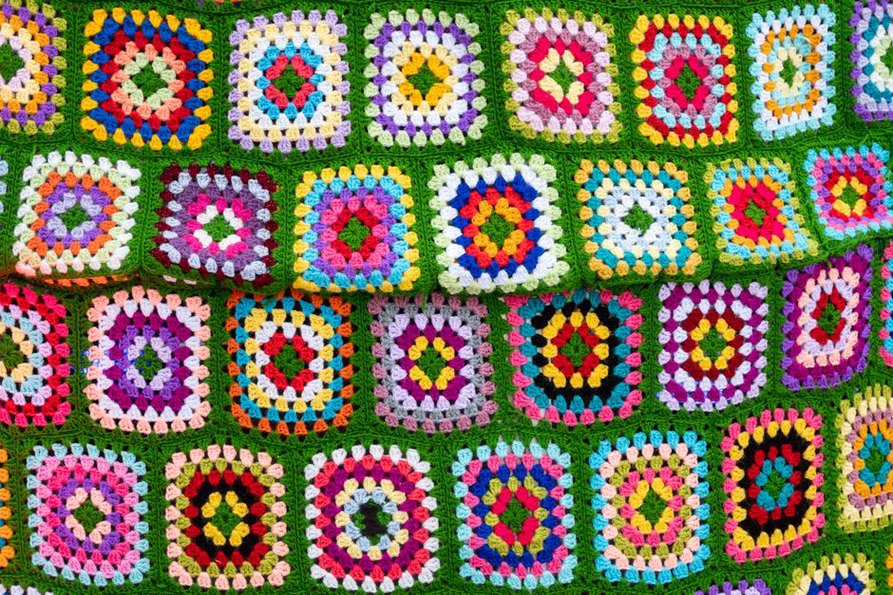
At its simplest, a granny square scarf is a length of joined crochet squares, each typically worked in rounds from the centre outward. The classic granny square uses clusters of double crochet stitches separated by chain spaces, creating a lacy, geometric pattern. When assembled into a scarf, the squares can be arranged in a single row (producing a long, rectangular scarf) or in multiple rows for a wider wrap or shawl. Some designs incorporate half-squares or triangles to shape the ends, giving a gentle taper.
The yarn weight and hook size dramatically affect the final drape. A scarf made from DK-weight wool will feel cosy and structured, while a finer 4-ply cotton creates a lighter, almost heirloom piece. Vintage examples from the 1970s often used acrylic yarns in bold autumnal tones—mustard, burnt orange, avocado green—that have become synonymous with the era. Earlier mid-century scarves, by contrast, favoured softer pastels or monochrome schemes, reflecting the restrained elegance of post-war Britain.
Popular Product Types: From Classic Scarf to Statement Wrap
When shopping for a granny square scarf—whether at a vintage fair, on Depop, or through a local charity shop—you’ll encounter several distinct silhouettes:
- The Long Single-Row Scarf – Usually 6–8 squares in a line, finished with a fringe. This is the most common style, easy to wrap once or twice around the neck. Ideal for adding a pop of colour to a neutral coat.
- The Wide Wrap or Shawl – Two or three rows of squares, often larger (8–10 squares per row). These provide more coverage and can be worn over the shoulders like a blanket scarf. Look for examples with a matching fringe or scalloped edging.
- The Triangular Shawl – Built from squares arranged in a triangle, sometimes with half-squares at the edges. This shape sits beautifully over a blazer or under a trench coat, and was a staple of 1970s bohemian style.
- The Infinity Scarf – A looped version, often made by joining the ends of a single-row scarf. While less common in true vintage pieces, many modern reproductions use the granny square motif in a continuous circle.
Each type has its own practical considerations. A long scarf can be tucked into a jacket without bulk, while a wide wrap works as an outer layer on mild days. If you are buying online, always check the dimensions: a typical vintage scarf measures about 150–180 cm in length and 15–20 cm in width (single row).
Materials and Craftsmanship: What to Look For
The quality of a granny square scarf lies in the yarn and the joining technique. Vintage scarves from the 1960s and 1970s were often made with acrylics that have held up remarkably well, though they may pill after decades of wear. Wool and wool-blend scarves tend to feel softer and breathe better, but require more careful washing. Cotton versions are durable and easy to launder, but can feel stiff unless the squares are worked loosely.
Examine the joins between squares. The strongest method is a slip-stitch or single-crochet seam, which lies flat and prevents gaps. Some makers used a whip stitch, which is visible and can stretch over time. A well-made scarf will have consistent tension across all squares—uneven squares suggest a beginner’s piece, which may still be charming but less durable. Look for a neat border: a row of single crochet or a scalloped edge not only finishes the scarf but also stabilises the outer squares.
Colour choices in vintage granny square scarves often followed the trends of their decade. The late 1960s and early 1970s favoured high-contrast combinations: bright orange paired with deep brown, or pink with lime green. Later 1970s pieces moved toward earth tones and muted rusts. For a more timeless look, scarves in navy and cream, or black and white, are easier to integrate into a modern wardrobe. If you are drawn to the bold retro palettes, consider pairing your scarf with a simple outfit—a white blouse and dark jeans—to let the accessory take centre stage.
Styling a Granny Square Scarf with Your Modern Wardrobe
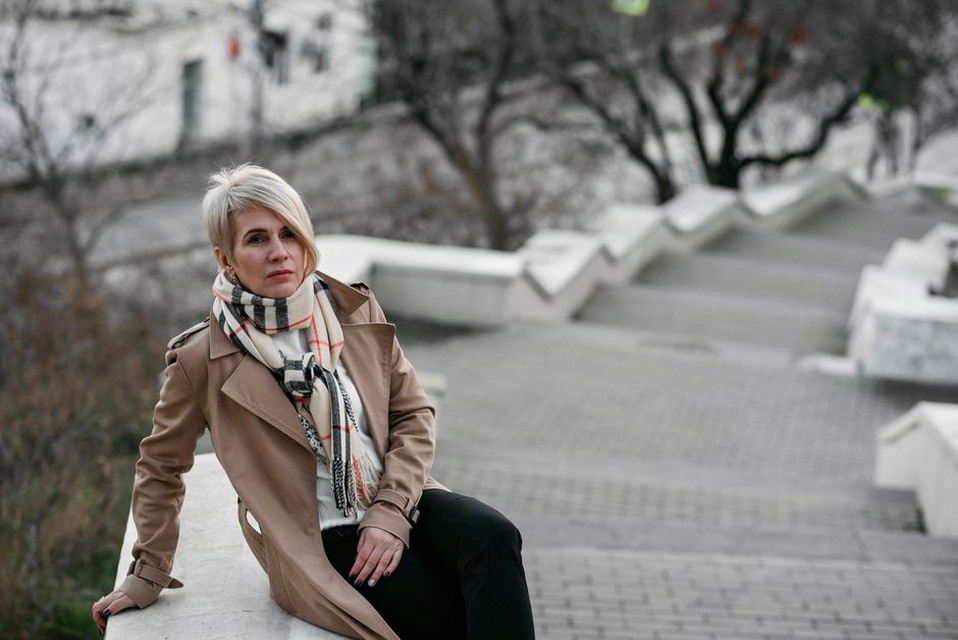
The key to wearing a granny square scarf today is balance. Because the pattern is inherently busy, keep the rest of your outfit relatively plain. A solid-coloured roll-neck jumper, a classic trench coat, or a simple denim jacket all provide a neutral canvas. For a more editorial look, try layering the scarf over a tailored blazer—the contrast between structured tailoring and handmade crochet is unexpectedly elegant.
Don’t reserve the scarf only for winter. A lightweight cotton granny square scarf works beautifully as a summer accessory: drape it over a sundress or tie it loosely around a straw bag. In spring, wear it open over a linen shirt. The versatility of the granny square scarf is one of its greatest strengths—it can be a cosy neck warmer in January and a colourful accent in July.
If you are drawn to the 1970s aesthetic, consider pairing your scarf with other vintage accessories from the same era. A crochet beret or a pair of tortoiseshell hair clips can create a cohesive retro look without feeling costumed. For those who prefer a subtle nod to the past, a single granny square scarf in muted tones can be the only vintage piece in an otherwise modern outfit.
Bereavement and Care: Keeping Your Scarf Beautiful
Granny square scarves, especially vintage ones, require gentle handling. Most are not machine-washable. Hand-wash in lukewarm water with a mild wool detergent, gently squeezing (never wringing) to remove water. Roll the scarf in a clean towel to absorb excess moisture, then lay flat to dry away from direct heat or sunlight. Acrylic scarves can sometimes tolerate a cool machine wash on a delicate cycle, but always test a small corner first.
Store your scarf folded, not hung, to prevent stretching. If you notice loose ends or a square coming undone, repair it promptly with a tapestry needle and matching yarn. A small snag can be gently pulled back into place with a crochet hook. For stubborn pilling, use a fabric shaver on the lowest setting—but test on an inconspicuous area first.
One practical detail that many vintage lovers overlook: the weight of the scarf. A wide wrap made from heavy wool can pull on the neck over a long day. If you plan to wear it for hours, choose a lighter yarn or a narrower design. Similarly, be mindful of fringe—long fringe can catch on buttons or bag straps. A quick trim or a knot at the base of each fringe strand can prevent snagging.
Whether you inherit a family heirloom or discover a handcrafted piece at a local market, a granny square scarf carries the warmth of its maker. The colour combinations tell a story of the decade they were born in, and the careful joins speak to hours of patient work. By choosing to wear and care for one, you become part of that story—and you add your own chapter every time you wrap it around your shoulders. For more on how vintage colour symbolism can guide your accessory choices, our article on The Secret Language of Vintage Chrysanthemum Hair Clip Colours offers a fascinating parallel to the palette decisions in crochet. And if you are building a vintage capsule wardrobe, a granny square scarf pairs beautifully with the structured silhouettes of the 1980s, such as the 80s Midi Lace Dress—a combination that bridges handmade texture with tailored elegance.