
Empire Waist Maxi Dress: Vintage Styles and Hair Accessories Guide
The empire waist maxi dress has a high waistline that sits just below the bust, with a long, flowing skirt falling to the ankles or floor. This cut, often paired with a fitted bodice and soft neckline, appeared in British fashion during two distinct golden eras: the Regency period of the early 1800s and the bohemian 1970s. Knowing the construction details—like the exact placement of the waist seam and the type of fabric—makes it easier to tell a true vintage from a modern knockoff, and helps you keep your hair accessories as the real focal point.
The Empire Waist's Two Golden Eras
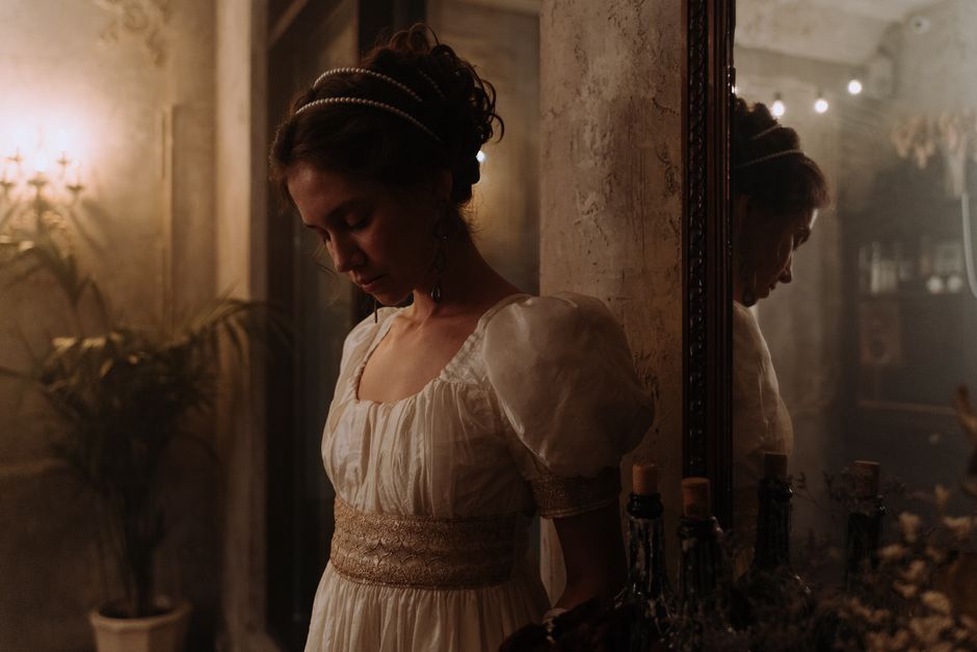
The original empire waist silhouette emerged in France during the Directoire period and spread quickly to Britain. High-waisted gowns made of light cotton muslin or fine wool allowed women to move freely, a stark contrast to the heavy brocades of the eighteenth century. By the time Jane Austen wrote Pride and Prejudice, white empire waist dresses with delicate embroidery were the standard for daytime and evening wear. The waistline—often trimmed with a ribbon or a gathered band—visually elongated the body and drew the eye upward to the face and any hair ornament worn.
A second wave arrived in the 1970s, when designers such as Laura Ashley and Gunne Sax revived the high waist for their maxi dresses. These dresses featured puff sleeves, lace trims, and floral prints, and were worn with wide-brimmed hats, straw bags, and—most importantly—statement hair accessories. The 1970s empire waist maxi dress became a canvas for tortoiseshell claws, enamel barrettes, and velvet ribbons. It remains one of the most accessible vintage silhouettes to find in British charity shops and online marketplaces.
Key Features of an Authentic Empire Waist Maxi Dress
When examining a candidate garment, look for these hallmarks:
- Bodice length: The seam or gathering sits directly under the bust, usually 1–2 inches below the sternum. Any lower and it becomes a natural waist dress.
- Skirt cut: The skirt is cut on the bias or gathered from the waistline seam. Fullness varies—Regency styles are narrow and columnar; 1970s versions are often A-line or full circle.
- Neckline: Square, sweetheart, or scoop are most common. Many have a drawstring or elastic at the back for adjustability.
- Fastening: Regency examples use back hooks or lacing; 1970s versions favour back zippers or front button plackets.
- Sleeves: Puff sleeves, gathered short sleeves, or long bishop sleeves with gathered cuffs.
Materials: What to Look For and What to Avoid
The right fabric makes an empire waist dress hang beautifully. For Regency-inspired pieces, choose cotton lawn, muslin, or fine linen. These fabrics drape without adding bulk. For 1970s styles, look for cotton voile, polyester-cotton blends (which hold pleats well), or lightweight wool challis for cooler months. Avoid stiff fabrics like heavy denim or taffeta, which can make the high waist look bulky and ruin the soft, romantic silhouette.
Styling with Vintage Hair Accessories
Because the empire waist draws attention upward, your hairstyle and hair ornaments become part of the dress’s visual line. A Regency-inspired look calls for a sleek updo with a single tortoiseshell hair comb or a silk ribbon woven through a low bun. For a 1970s bohemian feel, leave your hair loose or half-up, and add a floral barrette or a large claw clip. If you own a Chloe Tortoiseshell Hair Barrette, its warm amber tones complement both the white muslin of a Regency dress and the earth-tone prints of a 1970s maxi.
For evening events, a crystal-studded hair slide or a velvet bow pinned at the crown mirrors the elegance of the empire line. The key is balance: the dress already has a strong horizontal line at the bust, so keep hair accessories compact and centred rather than oversized.

How to Care for Your Vintage Empire Waist Dress
Empire waist dresses from the 1970s are often made from delicate fibres or blends. Hand wash in cold water with a gentle detergent, or use a mesh bag on a delicate machine cycle. Never wring the skirt—roll it in a towel to absorb moisture, then hang to dry away from direct sunlight. Iron on a medium setting, taking care around the gathered waistline seam. For Regency-style muslin, dry cleaning is safer if you are unsure of the fabric’s age. Store the dress on a padded hanger to maintain the skirt’s shape; avoid folding across the waistline, which can create permanent creases.
Finding a True Vintage Piece: Tips for British Shoppers
Charity shops in affluent areas and vintage fairs specialising in 1970s fashion are your best bets. Look for labels such as Laura Ashley, Biba (for earlier 1970s), or Monsoon. Check the waistline seam inside out—gathering that is uneven or pulling may indicate poor construction or previous alterations. Measure the underbust circumference: historical sizing tends to run smaller than modern high-street sizes, so try on whenever possible. If the dress has a back zip, make sure the zipper runs smoothly; replacement is costly and alters the original fabric.
For those who prefer modern reproductions, look for brands that use deadstock fabrics or replicate original patterns. A well-made reproduction will have the correct proportions and a proper high waist—many contemporary ‘empire’ dresses cut the waist too low, ruining the silhouette. When buying online, ask the seller for a measurement from the shoulder to the underbust seam, and confirm the skirt length from underbust to hem.
One Concrete Detail to Check Before You Buy
Before committing to any empire waist maxi dress—vintage or reproduction—lay it flat and pinch the excess fabric at the empire seam. If the gathering looks even and the skirt falls in soft folds without pulling, the dress is cut correctly. Then hold a tortoiseshell or dark wood hair barrette at the temple level and see whether the dress’s neckline and waistline frame the accessory in a way that feels effortless. That small test—a simple visual check with your favourite hair clip—will tell you more than any label or brand name.