
The Crochet Cap: A Vintage Hair Accessory Revival in British Fashion
When most people think of vintage hair accessories, tortoiseshell combs, velvet bows, and enamel barrettes come to mind. But there is a quieter, more tactile category of ornament that deserves equal attention: the crochet cap. These handcrafted pieces, often made from fine cotton or silk thread, were worn by women across Britain from the late Victorian era through the mid-twentieth century. Today, they offer a unique way to blend historical craft with everyday style.
A crochet cap is not a hat in the conventional sense. It is a close-fitting skullcap, often adorned with lace-like stitches, scalloped edges, or small motifs such as flowers or leaves. It sits lightly on the crown of the head, sometimes secured with a ribbon or a few hairpins. Unlike a beanie or a beret, a crochet cap is designed to be partially visible — it frames the face and adds texture to an updo without covering the entire head. In the 1920s, women wore them under cloche hats to protect their waved hair. In the 1940s, they became a practical way to keep pin curls in place overnight. And in the 1960s, they reappeared as a bohemian accent, paired with shift dresses and beehive updos.
Materials and Techniques: What Makes a Crochet Cap Authentic
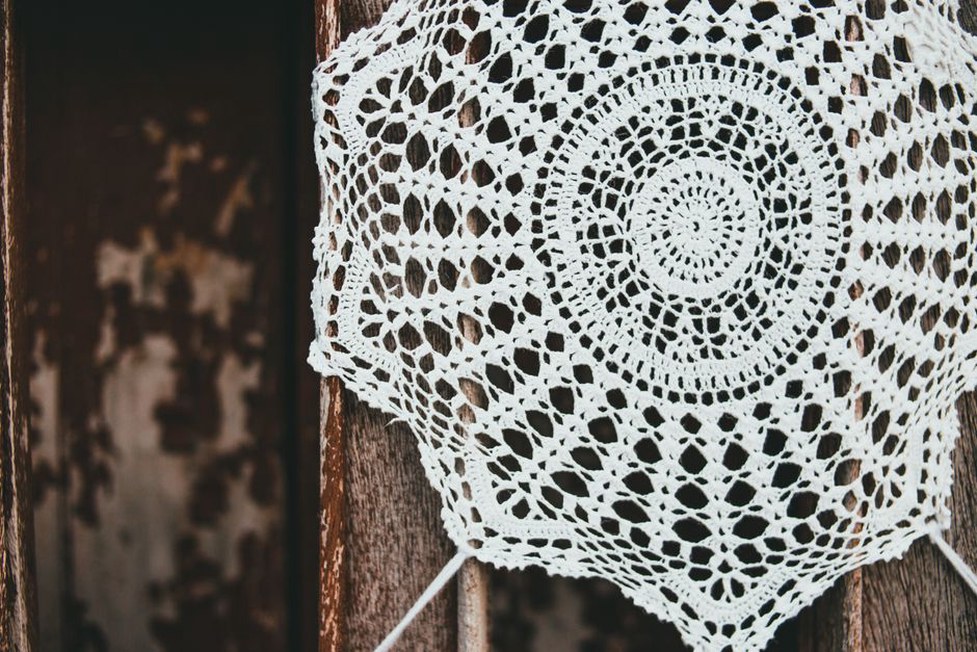
The beauty of a vintage crochet cap lies in its construction. Most were made using cotton thread — size 10 or 20 — which produces a fine, stiff fabric that holds its shape. Silk thread was also used for special occasion pieces, especially for wedding caps or christening bonnets. The stitches themselves vary: filet crochet creates a grid-like pattern, pineapple stitch forms a lacy scale effect, and Irish crochet adds dimensional motifs that are joined with a mesh background.
When evaluating a vintage crochet cap, look for even tension throughout the piece. Hand-crocheted items will have subtle variations in stitch size, but a well-made cap should feel balanced. The edges are often finished with a picot border or a scalloped shell stitch, which prevents fraying and gives the cap a delicate finish. Many caps also include a ribbon drawstring threaded through the bottom row of stitches, allowing the wearer to adjust the fit.
Colours in vintage pieces tend to be restrained: ecru, cream, white, and pale pastels dominate. Black crochet caps exist but are rarer, usually dating from the Edwardian period when mourning attire dictated dark accessories. If you find a cap in a vivid colour — emerald green, royal blue, or cherry red — it is likely a 1960s or early 1970s piece, when synthetic threads became available and fashion turned bolder.
How to Wear a Crochet Cap with a Modern Wardrobe
The practical challenge of incorporating a crochet cap into contemporary dressing is that it can look costumey if not styled carefully. The key is contrast. Pair a delicate white or ecru cap with a structured modern jacket — a tweed blazer or a leather moto jacket works beautifully. The softness of the crochet offsets the sharpness of the tailoring. For a softer look, wear the cap with a simple linen dress or a silk blouse and wide-leg trousers. The cap should feel like an accent, not a costume piece.
Hair preparation matters. A crochet cap looks best on hair that has some texture — loose waves, a low bun, or even a sleek ponytail. If you have short hair, the cap can sit directly on the crown, held by a few bobby pins. For longer hair, gather it into a low chignon, then place the cap over the top of the head, letting the hair spill out below the cap's edge. A small ribbon tied under the chin can secure the cap for outdoor wear, but for indoor styling, it is usually left untied.
One of the most elegant ways to wear a crochet cap is as an evening accessory. A black silk crochet cap with a single rose motif at the centre, paired with a velvet dress and pearl earrings, evokes the 1940s Hollywood glamour without being a direct copy. The cap adds a handmade, personal quality that mass-produced accessories lack.
Care and Preservation of Vintage Crochet Caps
Vintage crochet caps are surprisingly durable if handled correctly. Cotton and silk threads can last for decades, but they are vulnerable to snagging, stretching, and yellowing. The most important rule: never machine wash a crochet cap. The agitation will distort the stitches and felt the fibres. Instead, hand wash the cap in lukewarm water with a drop of mild soap. Gently squeeze — never wring — the water out. Roll the cap in a clean towel to absorb excess moisture, then reshape it on a flat surface away from direct sunlight.
Storage is equally important. Crochet caps should be stored flat, not folded, to prevent permanent creases. Acid-free tissue paper can be placed inside the cap to help it retain its shape. If you have multiple caps, stack them with tissue between each layer. Avoid hanging them, as the weight of the cap will stretch the stitches over time. Keep them away from moth-prone areas — cedar blocks or lavender sachets in the storage drawer offer natural protection.
If a cap has a ribbon drawstring that has frayed or broken, it can be replaced. Use a narrow silk or satin ribbon in a matching colour, thread it through the existing eyelets using a blunt tapestry needle, and tie a small bow. This simple repair can extend the life of the cap by many years.

Finding and Authenticating a Vintage Crochet Cap
Crochet caps appear regularly at British vintage fairs, charity shops, and online marketplaces. Prices range from £5 for a common 1960s piece to £50 or more for an Edwardian cap in pristine condition with intricate Irish crochet work. When shopping, examine the cap under good light. Look for rust spots from old pins, threadbare areas at the crown, and uneven fading. A cap that has been stored folded may have a permanent crease that cannot be removed.
Authenticating the age of a crochet cap requires looking at the thread type, stitch pattern, and construction style. Pre-1920 caps are usually made with hand-spun cotton thread and have irregular stitch tension. Caps from the 1920s and 1930s often use mercerised cotton, which has a slight sheen. Post-war caps may include synthetic fibres such as rayon or nylon, which feel slicker and less absorbent. The presence of a manufacturer's label is rare — most caps were handmade at home or by small local craftswomen — so the absence of a label is not a red flag.
If you are looking for a crochet cap that fits securely, measure your head circumference before buying. Vintage caps were often made in one size, intended to be adjusted with the ribbon drawstring. A cap that is too large will slip forward; one that is too small will sit uncomfortably on the crown. The ideal fit is snug but not tight, with the cap staying in place when you tilt your head.
Why the Crochet Cap Belongs in a Vintage Accessory Collection
For readers who already collect vintage hair accessories, the crochet cap offers a different kind of pleasure. It is not a statement piece in the way a jeweled comb or a sculptural hair claw is. It is a subtle, intimate object — one that rewards close looking and touch. The time required to hand-crochet a single cap is considerable; a cap with complex motifs can take twenty hours or more to complete. Owning one connects you to that labour, to the hands that made it, and to the quiet domestic artistry that was once part of everyday British life.
If you are new to vintage hair accessories, the crochet cap is a forgiving entry point. It does not require specific hair length or texture. It does not demand a particular era of clothing. It can be worn with jeans and a jumper as easily as with a cocktail dress. And because it is still relatively underappreciated compared to barrettes and headbands, good examples can be found at reasonable prices. Start with a single ecru cap in a simple shell stitch pattern. Try it with a low bun and a pair of pearl studs. You may find that this modest accessory becomes one of the most worn pieces in your collection.
For those interested in complementary vintage hair accessories, the Buttercups Midi Colors 8: The Collector’s Guide to Eight Vintage Hair Clips offers a detailed look at enamel clips that pair beautifully with the texture of crochet. And if you enjoy the feminine, crafted aesthetic of crochet caps, the Caroline Turban Headband in Red: A Vintage Hair Accessory with Timeless Appeal shares a similar handmade quality and versatility.
The crochet cap is not a relic. It is a living piece of textile history that can be worn, cared for, and passed on. The next time you are at a vintage fair, take a moment to look through the basket of lace and thread. You might find a cap that fits not just your head, but your sense of style.