
Cowrie Shell Hair Slides: A Collector’s Guide to Vintage British Adornment
Cowrie shells have a long, curious history in British adornment, but their journey into the hair-accessory world is less documented than tortoiseshell or horn. These small, porcelain-like shells—with their distinctive toothed opening and glossy dorsal surface—were prized in Victorian and Edwardian Britain as buttons, hat trimmings, and chatelaine ornaments. By the 1920s and 1930s, they began appearing as hair slides, often mounted in silver or brass, and later as simple, unadorned slides that let the natural shell speak for itself. If you have inherited a single cowrie slide or found one in a market stall, you are holding a piece of a quieter, more tactile era of dress.
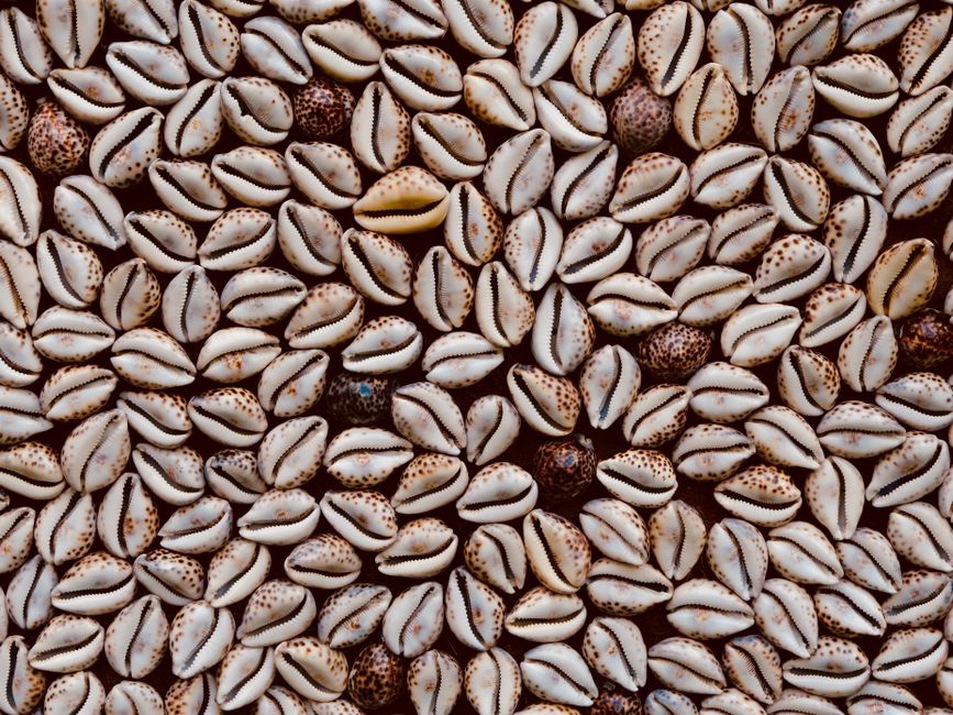
What makes cowrie slides so appealing to a modern collector is their material honesty. Unlike plastic imitations, real cowrie shells have a subtle translucency, a cool weight, and a surface that feels almost like polished stone. The most common species used in vintage British slides is the Cypraea moneta, or money cowrie, which was traded across the Indian and Pacific Oceans before arriving in European workshops. Larger varieties, such as the tiger cowrie or the ring cowrie, were occasionally used for statement pieces, but the small, oval money cowrie was the workhorse of the trade. When set in a simple metal slide, it produced a delicate, organic ornament that sat beautifully in a low chignon or a side-swept bob.
A Short History of the Cowrie in British Dress
The cowrie shell was never a mainstream British fashion material in the way that pearl or jet was. It belonged to a more private, sentimental register. In the nineteenth century, cowries were often incorporated into mourning jewellery, their pale surfaces contrasting with dark fabrics. They also appeared on children’s bonnets and as tiny buttons on baby garments, where their smooth edges were considered safe. The shells were believed to bring good luck and protection—a folk belief that carried over from West African and Asian traditions into British domestic culture. When the slide form became popular in the 1920s, it was a natural extension of this history. The shell’s low, rounded profile suited the close-fitting hairstyles of the era, and its neutral colouring complemented the beige, cream, and pastel tones of Art Deco daywear.
British manufacturers rarely produced cowrie slides in large numbers. Most were made by small silversmiths or jewellery workshops, often as bespoke pieces. This means that surviving examples show considerable variation. Some slides feature a simple wire clip on the back, others a hinged barrette fitting, and a few were designed to be threaded through a ribbon or a leather thong. The metalwork is often the key to dating a piece. A slide with a stamped silver back and a hallmarked mount is likely from the 1920s or 1930s. Later examples, from the 1940s and 1950s, may use brass or even aluminium, reflecting wartime material restrictions and a more utilitarian aesthetic.
Materials and Techniques: How to Read a Cowrie Slide
Understanding the construction of a cowrie slide will help you assess its age and quality. The most desirable pieces are those where the shell is set in a bezel—a thin metal rim that hugs the shell’s edge. This technique was common in silver work and required a skilled hand. The bezel not only protected the shell from chipping but also created a neat, finished look. On cheaper examples, the shell was simply glued to a metal base, which often leads to loss or damage over time. When you examine a slide, turn it over and look at the fitting. A well-made slide will have a strong spring or a secure clip, and the metal will show a consistent patina.
Shell quality matters too. A good vintage cowrie should have a smooth, unbroken surface with a natural gloss. Look for the fine, regular ridges along the underside—these are a sign of an authentic shell. Many modern reproductions use plastic or resin that mimics the shape but lacks the shell’s subtle colour variations. If you hold two slides side by side, one real and one imitation, the difference is immediately clear. The real shell feels cooler and slightly heavier, and its surface has a depth that plastic cannot replicate. The colour of a natural cowrie ranges from creamy white to pale golden brown, often with a faint banding around the dorsal surface. This variation is part of the shell’s charm and makes no two slides identical.
Common Mounts and Fittings
- Wire clip: A simple loop of wire that grips the hair. Common on 1920s slides, this fitting is light and easy to secure, but it can snag fine hair if the wire is bent.
- Hinged barrette: A more secure fitting with a long clasp. Often used in the 1930s and 1940s, this style is ideal for thicker hair and sits flat against the head.
- Ribbon slot: A horizontal slot through the back of the mount, allowing you to thread a velvet ribbon through and tie it around a ponytail or bun. This is a lovely, versatile design that works well with modern styling.
- All-shell slide: A cowrie with no metal mount, worn by passing a hairpin through the shell’s natural opening. This is the rarest and most organic form, often made from a single large shell with a drilled hole.
Iconic Silhouettes and How to Wear Them
In the mid-twentieth century, cowrie slides were worn in two main ways. The first was as a single, centred ornament at the back of a low bun, where the shell’s pale oval echoed the curve of the hairstyle. The second was as a pair, placed symmetrically on either side of a centre parting, a look that appeared in illustrated fashion plates of the 1930s. Both styles read as refined and understated, and they translate effortlessly to modern dress. A single cowrie slide can anchor a simple chignon for a wedding or a gallery opening. Two slides can add a subtle vintage note to a casual half-up style, especially when worn with a silk scarf or a wool coat.
For a contemporary wardrobe, think of the cowrie slide as a neutral accent. It pairs well with natural fabrics—linen, cotton, wool, and silk—and with the earthy colour palettes of the 1970s revival, which is a recurring theme in this blog. The shell’s warm, ivory tones also complement the muted shades of a faithful 1970s maxi dress reproduction. If you are styling a modern outfit, avoid overloading the hair with too many accessories. One well-placed cowrie slide is usually enough. It is a piece that rewards restraint and draws attention to the texture of the hair itself.

Vintage Finds: What to Look For and What to Avoid
When you are hunting for cowrie shell slides, the first thing to check is the condition of the shell. Look for cracks, chips, or areas where the surface has flaked away. A small chip on the underside may be acceptable if the mount is secure, but damage to the dorsal surface is a deal-breaker. The second thing to examine is the metal. Silver and silver-plated mounts should be checked for corrosion, especially around the bezel. Brass mounts can tarnish, but this is easily cleaned. The most common problem is a loose shell. If the shell rattles inside its mount, it can often be re-secured with a tiny amount of jeweller’s resin, but be cautious with antique pieces—overzealous cleaning or repair can reduce their value.
Another point to consider is provenance. Cowrie slides were also made in France, Italy, and Germany, and British pieces are not always marked. A slide with a British hallmark on the mount is a wonderful find, but an unmarked piece can still be authentic and beautiful. The absence of a hallmark does not mean the piece is a fake; it may simply have been made in a small workshop that did not register with an assay office. If you are buying online, ask the seller for a clear photo of the back and the edge of the shell. A genuine cowrie will show fine, natural ridges along the opening, and the colour will be subtle and slightly irregular.
Care and Handling: Keeping Your Cowrie Slide Beautiful
Cowrie shells are durable, but they are also porous and sensitive to acids. The main enemies are perfume, hairspray, and persistent sweat. These can dull the shell’s surface and cause discolouration over time. To keep your slide in good condition, follow a few simple habits. Always apply hair products first and let them dry before putting the slide in. At the end of the day, wipe the shell gently with a soft, dry cloth to remove any residue. Do not soak the slide in water, and avoid ultrasonic cleaners, which can damage the metal and loosen the shell. If the shell becomes cloudy, a very light rub with a tiny drop of mineral oil on a cotton bud can restore some lustre, but test on an inconspicuous area first.
Storage is equally important. Keep cowrie slides in a lined jewellery box or a soft pouch, away from other metal pieces that might scratch the shell. If you have several slides, wrap each one in tissue paper or place them in separate compartments. This is especially important for slides with ribbon slots, as the ribbon can trap moisture against the shell. A little care goes a long way. A well-maintained cowrie slide from the 1930s can still be worn today without looking like a museum piece, and that is precisely what makes it so special.
Styling Ideas for the Modern Wearer
One of the most practical ways to wear a cowrie slide is in a simple side part with a low ponytail. Slide the shell over the elastic band, letting it sit just below the nape of the neck. This works beautifully with a silk blouse or a tailored jacket. Another option is to use a cowrie slide as a brooch-like accent on a velvet headband. Thread the headband through the ribbon slot of the slide, and position it at the temple for a look that is both vintage and contemporary. If you have a pair of slides, place them at the ends of a braid, one at the top and one at the bottom, for a playful but polished detail.
For those who love the comb styles of the mid-century, a cowrie slide can also be worn alongside a decorative hair comb. The contrast between the smooth shell and the ornate comb creates a layered, collected look. If you are drawn to the structured elegance of the Catarina Collection: Six Vintage-Inspired Hair Comb Colors, you will appreciate how a natural shell slide can soften the formality of a comb and add a tactile, organic note. The key is to balance the two elements—let the cowrie be the quiet anchor and the comb the statement.
A Final Word on Sourcing and Authenticity
When you are out shopping for vintage hair accessories, keep an eye out for cowrie slides in unexpected places. Charity shops, estate sales, and small antiques fairs are the best hunting grounds. Online marketplaces can be fruitful, but you must be prepared to examine photos closely. A seller who describes a slide as “shell” without specifying the type may be offering a plastic imitation. Do not be afraid to ask questions. A genuine vintage cowrie slide is not a mass-produced item, and a knowledgeable seller will usually be happy to share what they know about its history.
If you are new to collecting, start with a single slide in good condition rather than a large lot. This allows you to learn the feel of the material and to understand how it works with your hair. Once you have one, you will likely find yourself searching for a second—perhaps a larger tiger cowrie or a silver-mounted money cowrie. That is the nature of collecting. Each shell carries its own tiny history, from the tropical waters where it formed to the hands of a British maker who shaped it into a wearable ornament. Owning one is a small act of preservation, a way of keeping a delicate craft alive in a world of fast fashion and disposable accessories.