
The Wool Blazer Copy: A Vintage Lover’s Guide to Faithful Reproductions
When you find a 1960s wool blazer in a charity shop—shoulders sculpted like a tailored box, horn buttons intact, lining frayed but honest—you know the feeling. It fits your frame, your soul, your wardrobe. But these originals are becoming scarce, and the ones that survive often carry moth damage or a permanent scent of cedar. Enter the faithful copy: a reproduction that honours the original cut, cloth, and construction without pretending to be a vintage piece. For the British reader who values both authenticity and wearability, understanding what makes a good wool blazer copy is as important as knowing how to spot a rare Buttercup hair clip. Let’s get into the weave.
What Exactly Is a “Copy” in the Vintage Blazer World?
In the context of vintage-inspired fashion, a copy is not a counterfeit. It is a deliberate, respectful reproduction of a specific garment—often from a known pattern, a museum piece, or a decade-defining silhouette. Unlike a generic “vintage-style” blazer, a true copy aims for fidelity in:
- Pattern geometry – the original dart placement, sleeve pitch, and shoulder width are preserved.
- Fabric weight and composition – a 1960s blazer made from 100% wool does not get remade in polyester blends if the maker is serious.
- Hardware and finishes – buttons, linings, and edge stitching replicate the original era’s techniques.
A well-made copy breathes new life into a design that would otherwise be lost to time. It is an act of preservation, not imitation.
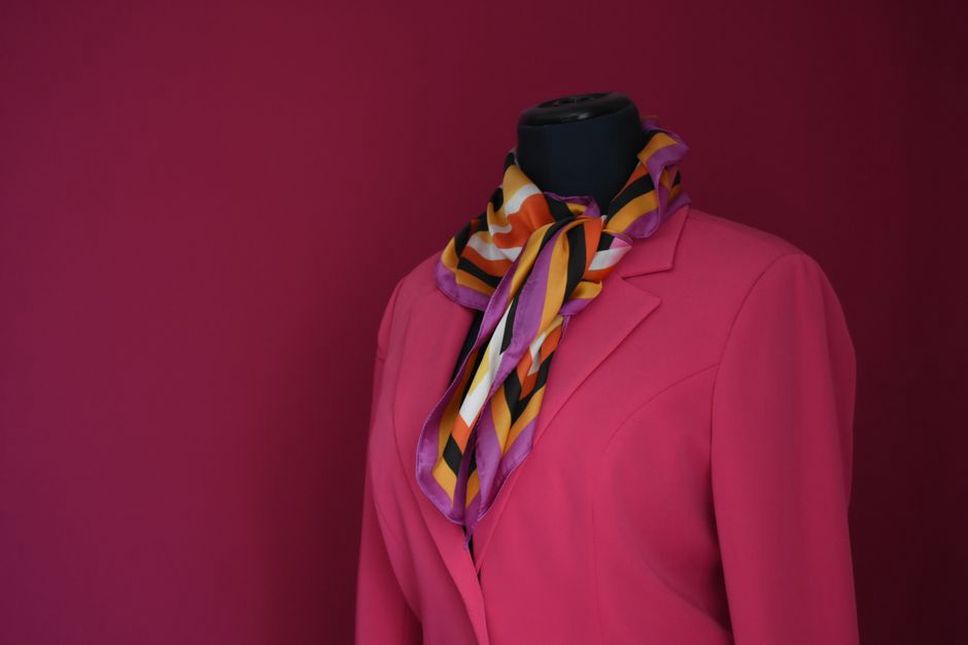
Why the Wool Blazer Copy Matters for the Vintage Enthusiast
The British high street once teemed with wool blazers: Jaeger, Aquascutum, Marks & Spencer’s St Michael line. They were built to last a decade and often did. But the original cloth degrades, the lining splits, and the shoulders—so perfectly padded in 1962—can look comically exaggerated on a modern frame that prefers a softer line. A good copy solves both problems. It uses new, stable wool cloth (sometimes even deadstock from the same mills) and adjusts the internal construction slightly so the blazer sits naturally on a contemporary body without losing its period character.
For collectors of vintage hair accessories, the parallel is clear. Just as a Buttercups Midi Colors 8: The Collector’s Guide to Eight Vintage Hair Clips helps you distinguish between original celluloid clips and later reproductions, understanding the hallmarks of a faithful blazer copy lets you invest in a garment that will serve you for years—not a costume piece that falls apart after two wears.
Key Elements to Examine in a Wool Blazer Copy
1. The Shoulder Construction
Vintage blazers from the 1940s through the 1970s used distinct shoulder treatments. A 1940s copy will have a defined, slightly rolled sleeve head with light padding. A 1960s copy mimics the sharp, almost architectural shoulder of the era. Run your hand inside the sleeve cap: if the padding feels like foam glued to the lining, you are looking at a cheap modern approximation. A faithful copy uses layered felt or cotton wadding, hand-set into the sleeve cap for that slight puff that does not collapse.
2. The Cloth
Wool is non-negotiable. But the type of wool matters. A 1950s blazer copy should use a tightly woven worsted wool or a subtle herringbone. A 1970s copy might use a softer flannel or a Donegal tweed with neps. Look at the selvedge if visible—original mill selvedges are a strong sign the maker sourced deadstock fabric. If the label says “wool blend” and the second fibre is acrylic, the copy is a costume, not a reproduction.
3. The Lining
Original blazers used cupro, rayon, or silk linings—often in a contrasting colour like emerald green or burgundy. A faithful copy will replicate this, not use cheap polyester satin that makes you sweat. The lining should be hand-finished at the armholes, not machine-tacked.
4. Buttons and Fastenings
Horn, corozo nut, or metal buttons are correct for most mid-century blazers. Plastic buttons that look like horn but feel lightweight are a red flag. A good copy uses real horn or vintage deadstock buttons. The buttonholes should be hand-worked or at least keyhole-shaped for a 1960s blazer.

How to Style a Wool Blazer Copy in a Modern British Wardrobe
A faithful copy is not a museum piece. It wants to be worn. Here are three ways to integrate it without looking like you are in costume:
- With jeans and a fine-gauge knit. A 1950s-style blazer in charcoal wool over a cream cashmere rollneck and straight-leg jeans reads as smart-casual, not retro.
- Over a midi dress. A 1960s boxy blazer in a muted plaid worn over a simple silk slip dress creates the same balance of structure and fluidity that made Mary Quant’s early collections so compelling.
- With tailored trousers and a brooch. Add a vintage hairpin or a small brooch on the lapel—the same principle as pairing a Bertha Comb: Four Colours, One Edwardian Icon with a modern chignon. The contrast of eras is the point.
Care and Storage: Keeping Your Copy in Prime Condition
Wool blazers—whether original or reproduction—require gentle handling. Brush after each wear with a soft clothes brush to remove surface dust and prevent moths from settling. Air the blazer on a shaped hanger (never wire) for at least 24 hours between wears. Spot-clean only; dry-clean sparingly, as solvents strip the natural lanolin from wool. Store in a breathable garment bag with cedar blocks, not mothballs. If the blazer has a silk or cupro lining, avoid hanging it in direct sunlight, which weakens the fibres.
Where to Find Quality Wool Blazer Copies in the UK
Several small British makers and independent pattern houses now produce faithful copies of vintage blazers. Look for sellers who:
- Share the original pattern source (e.g., “adapted from a 1956 Simplicity 1234”).
- List the exact fabric composition and weight (e.g., “100% worsted wool, 280 gsm”).
- Offer unfinished hems so you can adjust the length—a hallmark of bespoke-inspired production.
Etsy and vintage fairs remain good hunting grounds, but always ask for measurements and a photo of the inside construction. A maker who is proud of their work will show you the seams.
The best wool blazer copy does not shout “vintage.” It whispers history through its weight, its drape, and the way it makes you stand a little taller. That is the quiet magic of a reproduction done right.