
The Annabel Hair Clip: A British Vintage Accessory Worth Collecting
If you have ever pulled a metal-barrette from a charity shop tray and noticed a tiny stamped name—Annabel—you have encountered one of Britain’s most quietly influential hair accessory makers. The Annabel clip is not a single design; it is a family of mid-century hair fasteners known for their reliable spring mechanisms, graceful profiles, and surprisingly durable finishes. Unlike the flashier rhinestone pieces that dominate vintage fairs, Annabel clips were worn by women who needed their hair to stay put through a day’s work—and still look polished when evening came.
Manufactured primarily in England between the late 1940s and early 1970s, the Annabel range included plain metal slides, enamel-coated barrettes, and tortoiseshell-effect resin clips. Many pieces carry no visible maker’s mark other than the word “Annabel” discreetly engraved on the back of the spring hinge. This subtlety makes them easy to overlook, but a trained eye recognises the clean lines and consistent tension that set them apart from import knock-offs of the same era.

What defines an Annabel hair clip?
The core product was a hinged barrette, usually 6 to 10 centimetres long, with a metal core and a plastic or enamel outer shell. The company favoured a clasp that snapped shut with a confident click—no wobble, no pinching. This engineering reliability is why so many examples still function perfectly sixty years later. Common finishes include:
- Solid tortoiseshell acrylic — warm amber and dark brown marbled patterns, often with a high-gloss polish.
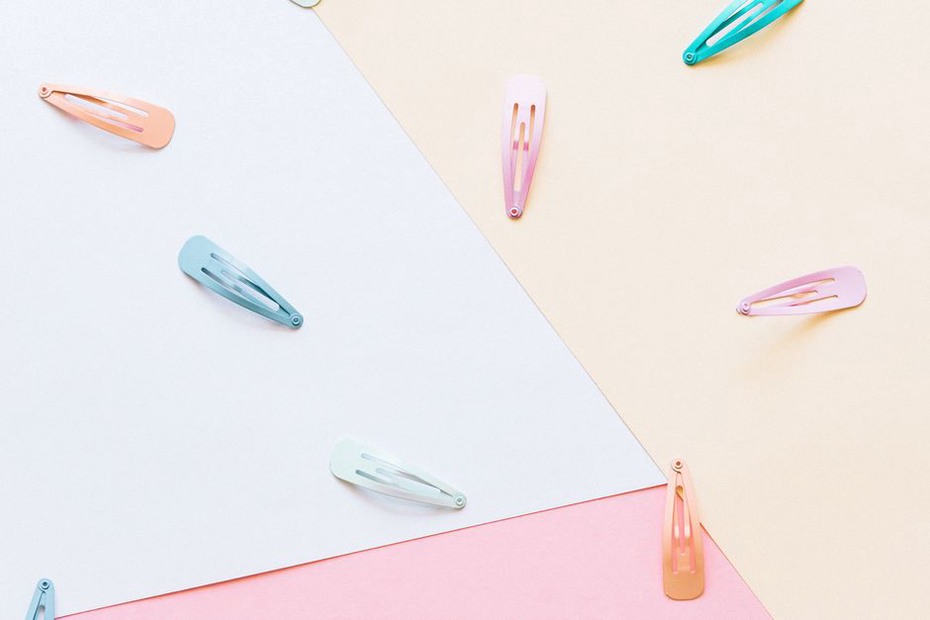
- Enamel in muted pastels — powder pink, baby blue, mint green, and a distinctive buttery cream.
- Plain gold-tone or silver-tone metal — usually stamped with a subtle textured pattern on the top plate.
- Decorative accent bars — a narrow strip of brass or faux-pearl set into the centre of the clip.
What distinguishes Annabel from other mid-century barrette makers is the attention to the spring hinge itself. The mechanism is enclosed in a slim metal sleeve that prevents hair from catching, a feature that many cost-conscious manufacturers abandoned by the 1970s. When you hold an Annabel clip, feel the resistance as you open it. A well-preserved example demands a firm pinch to open but closes without snapping your fingers—a sign of careful tension calibration.
The golden age of Annabel (1950–1965)
Annabel clips hit their stride during the post-war boom when British women increasingly sought practical accessories that could transition from office to evening. The 1950s silhouette—voluminous waves pinned back at the temple—required a clip that could hold thick hair without slipping. Annabel answered with a slightly curved top plate that followed the natural contour of the head, a detail that estate-sale collectors call “the cradle curve.”
Advertisements from the period, often placed in women’s weekly magazines like Woman’s Own, showed Annabel clips in colours that matched the season’s coat buttons and handbags. The company never positioned itself as high fashion; instead, it marketed durability and “that tidy finish your mother approves of.” This honest appeal explains why so many Annabel clips survive in bespoke collections today. For a deeper look at how to catalogue such pieces, our guide on The Art of the Collection: Building a Vintage Hair Clip Archive with Purpose offers practical steps for organising finds by maker, material, and era.
Materials and craftsmanship
The plastic used in most Annabel clips is cellulose acetate, not the brittle bakelite often found in earlier deco pieces. Acetate is lightweight, warm to the touch, and slightly flexible—exactly right for a clip that must bend a little as you slide it over a section of hair. Over decades, acetate can develop a light haze or tiny surface cracks (crazing), but these do not affect the clip’s function. If you find an Annabel with a uniform light frosting on the surface, a very gentle rub with a soft, dry cloth will often restore the original gloss. Avoid alcohol or acetone; they dissolve acetate instantly.
The metal components are typically brass plated with nickel or gold wash. The plating on Annabel clips tends to wear at the hinge and along the edges of the top plate, revealing a warm brass undertone. Many collectors consider this patina desirable—it proves the clip was actually used. A clip with fully intact plating is rarer and commands higher prices, but a lightly worn example is far more affordable and exactly as functional.
How to style an Annabel clip today
The beauty of Annabel’s simple design is that it refuses to look costumey. A single tortoiseshell clip can anchor a sleek low ponytail just as effectively as a 1950s victory roll. For a contemporary update, try the following combinations:
- With a silk shirt and tailored trousers — clip a pastel Annabel at the side of a deep side-parting. The enamel colour picks up the shirt’s hue without competing with the fabric.
- With a chunky knit jumper — use a gold-tone Annabel to pull back a thick fringe. The warm metal against cream wool is an effortless autumn look.
- With a vintage blazer — two matching Annabel clips pinning a half-up style echo the disciplined charm of a 1950s office outfit. The Collections: Maison Arxhives x Vintage Blazers — A Hair Accessory Styling Guide shows how to pair structural hairpieces with tailored shoulders for a cohesive vintage-modern silhouette.
Identifying genuine Annabel clips
Because “Annabel” was a trademark owned by a now-defunct British hardware company (later absorbed into a larger haberdashery conglomerate), the name was used on several product lines. Not every piece marked “Annabel” is a mid-century classic. Look for these markers of an original period clip:
- Stamped “Annabel” in a serif font, usually inside the hinge arm.
- A visible seam where the acetate shell meets the metal core – modern reproductions tend to be seamless injection mouldings.
- Oval or rounded rectangular shape, never a sharp square.
- Spring hinge that squeaks slightly when opened—the old grease has dried but the steel is still good.
Clips with a smooth, silent hinge and a plastic-like feel are likely later Asian-produced versions bearing the same name but of lower quality. True Annabel clips have a certain weight; they are not flimsy. The acetate also carries a faint camphor-like scent if you hold it close to your nose, a tell-tale sign of aged cellulose nitrate or acetate.
Caring for your Annabel collection
To keep these clips in working order, avoid constant exposure to hairspray, dry shampoo, and heat-styling tools. The acetate surface can react with alcohol-based products, turning tacky. After each wear, wipe the clip gently with a dry microfibre cloth. Store them in a lined jewellery box with compartments, never jumbled in a draw where metal clips can scratch each other’s finishes.
If a spring becomes stiff, a single drop of sewing machine oil applied with a pin to the hinge joint and then worked repeatedly will often restore smooth action. Do not use WD-40 or silicone sprays—they leave a residue that attracts dust and can stain light-coloured hair.
When shopping for Annabel clips at collection sales, pay attention to the hinge’s alignment. A clip that has been bent open too far may no longer close flush. The How to Shop Vintage Hair Accessories at Collection Sales guide covers exactly what to inspect before buying, from spring tension to plating wear patterns.
A closing note on the hunt
Annabel clips are still out there, tucked into mixed lots at British car boot sales and in the back corners of antiques arcades. Their modesty works in a collector’s favour: most sellers do not know the name and price them as generic barrettes, often under £5. The best hunting ground is a stall where the vendor has laid out a tray of “old hair things” without sorting them. That is where a mint-condition Annabel in its original pasteboard backing sometimes shows up, overlooked because people are looking for rhinestone crowns instead. Pick it up, test the spring, and add it to your archive. In fifty years, someone else will be glad you did.