
Maxi Dresses and Vintage Hair Accessories: A 1970s Style Guide
The floor-length dress, known as the maxi, swept through British fashion in the early 1970s as a liberating alternative to the mini. Its long, flowing lines demanded a different approach to hair styling – and with it, a distinct vocabulary of hair accessories. For the collector of vintage hair pieces, understanding the interplay between the maxi dress silhouette and the accessories that completed it is essential, both for historical accuracy and for modern styling that honours the era.
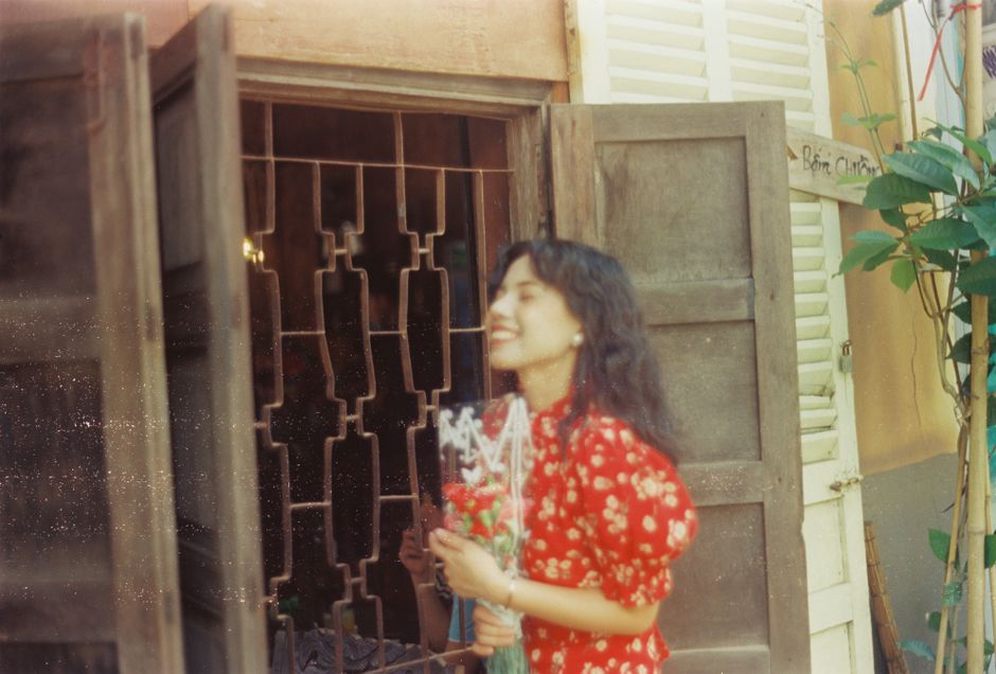
A Silhouette That Reshaped Hair Styling
The maxi dress of the 1970s was not a single cut but a family of shapes: high-waisted empire lines, bias-cut jersey slips, and prairie-style tiered skirts. The common thread was length – the hem fell to the ankle or floor, creating a vertical line that visually lengthened the body. This elongation needed to be balanced at the top. A heavy, voluminous hairstyle or a bulky accessory could anchor the look, while a too-sleek updo might make the wearer appear swallowed by fabric. The solution came in the form of sculptural combs, wide silk scarves, and statement barrettes that added weight and texture above the shoulders.
British women of the period often turned to natural materials – carved wood, tortoiseshell (real and later simulated), and bakelite – because these complemented the earthy, handcrafted aesthetic of many maxi dresses. A dress in printed cotton or crinkled rayon from Biba or Laura Ashley paired especially well with an amber-toned bakelite comb or a piece of polished horn. The accessories were not merely functional; they were the finishing punctuation on a deliberately romantic, bohemian look.
Materials of the Era: Bakelite, Tortoiseshell and Silk
When you examine a vintage hair accessory from the 1970s, the material tells you more about the decade than any label ever could. Three categories dominate:
- Bakelite and Catalin – Early plastics that were heavy, warm to the touch, and often carved or moulded into geometric or floral shapes. They came in deep reds, mottled greens, and tortoiseshell imitations. The weight of a bakelite comb was ideal for anchoring a loose chignon or a side twist under a maxi dress’s high neckline.
- Real and Simulated Tortoiseshell – By the 1970s, true tortoiseshell was becoming scarce and ethically questionable. Many British manufacturers shifted to a lucite or celluloid imitation that mimicked the translucent, golden-brown striations. These combs and slides were lighter than bakelite and often set with brass or silver details. They worked beautifully with the warm, autumnal colour palettes of the decade.
- Silk and Velvet Scarves – The maxi dress and the silk scarf were a near-constant pair. Scarves were folded into headbands, tied into roses at the nape, or wrapped around a ponytail. The material added a soft, fluid movement that echoed the dress’s own drape. Liberty prints, in particular, were a favourite, their tiny florals mirroring the patterns on the dress itself.
For those keen to build a collection of authentic pieces, our guide to shopping at collection sales offers practical advice on spotting genuine 1970s items – from the way the patina develops on bakelite to the telltale seam lines on vintage celluloid.
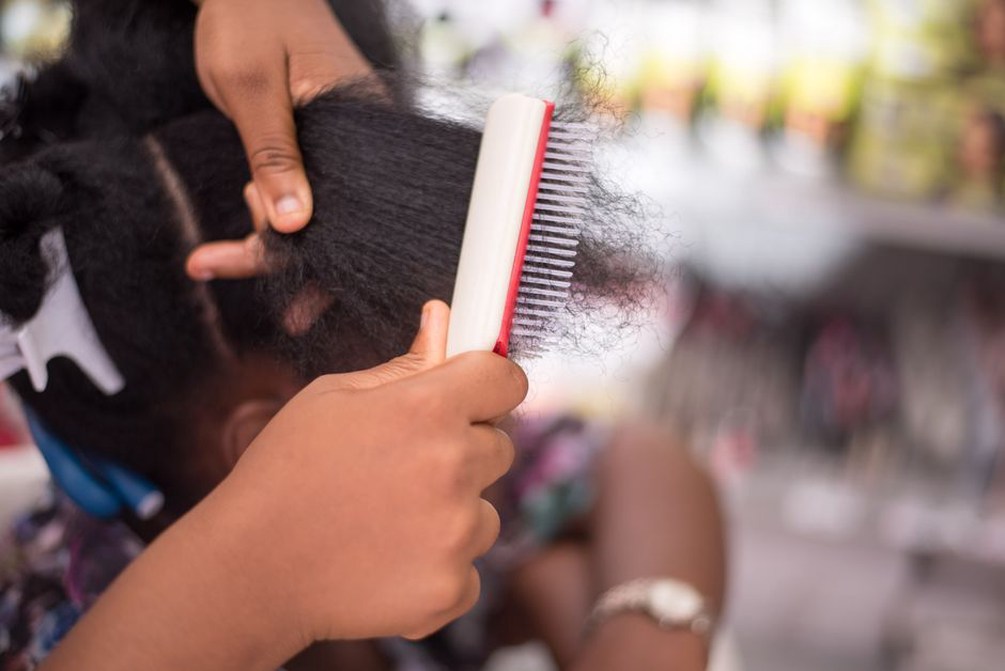
How to Wear a 1970s Maxi Dress with Vintage Hair Accessories Today
The key to incorporating a vintage maxi dress into a contemporary wardrobe lies in the accessories. A modern wearer can reach for the same shapes and materials that worked in the 1970s, but with a few practical adjustments. The dress itself may be a genuine vintage find – perhaps a rayon jersey number from the local charity shop or a cherished piece from a grandmother’s closet. Here is how to pair it with vintage hair accessories so the whole look feels intentional, not costumed.
For a high-neck maxi dress (turtleneck, mandarin collar, or high square neck): draw the eye upward with a large decorative comb placed at the crown of the head. A bakelite comb in a solid colour (burnt orange, forest green) contrasts beautifully with a printed dress. Keep the hair loose or in a low ponytail, sweeping it back over the comb. This creates a visual anchor without adding bulk at the neckline.
For a V-neck or scoop-neck maxi dress: the bare neck calls for a silk scarf tied low at the back of the head. Fold the scarf into a wide band, place it over the crown, and tie it in a soft bow at the nape. Let the ends fall over the dress’s neckline. This echoes the 1970s tendency to treat the hair accessory as a bridge between the face and the garment.
For an off-the-shoulder or strapless maxi dress: a pair of decorative barrettes, one on each side of the head, can mimic the symmetry of the dress’s neckline. Look for vintage examples with brass or copper tones, which pick up the metallic threads often found in 1970s brocade or lurex knits. Clip them into a half-up style, leaving the rest of the hair to cascade down – a silhouette that keeps the vertical line of the dress intact.
Bereavement and Care: Keeping 1970s Accessories Alive
Vintage hair accessories demand a gentle hand. Bakelite, though durable, can become brittle with age if exposed to direct sunlight or extreme temperature changes. Store flat in a drawer lined with acid-free tissue, and never use acetone or alcohol-based cleaners – they will strip the patina. For tortoiseshell-imitation celluloid, wipe with a barely damp cloth and dry immediately. Silk scarves should be hand-washed in cool water with a mild detergent, then laid flat to dry away from radiators. A well-maintained piece can be worn for decades more, and its value only deepens with use.
A Final Note on the Maxi Dress and Its Hair Accessory Legacy
The 1970s maxi dress is not a costume – it is a garment with a specific logic of balance and proportion. The hair accessories that accompanied it were designed to complete that logic, not just to decorate. When you slide a vintage bakelite comb into your hair while wearing a floor-length dress, you are participating in a dialogue between fabric and form that began fifty years ago. The best way to honour that history is to wear the pieces with the same confidence and creativity that the original wearers did. Start with one accessory – a single carved wooden comb or a printed silk scarf – and let the dress guide the rest.