
1960s Hair Accessories in Britain: How to Wear and Recognise Them
Set a broad band just behind a 1960s fringe and the whole hairstyle changes, even if the cut stays the same. It keeps the front smooth while the hair rises into a rounded crown; on a short, neat cut, it draws a clean line. Accessories did more than finish a style. They helped give it shape and made fashionable silhouettes easier to wear.
There was no single British sixties look. Early bouffants shared the decade with younger, straighter styles, while hats remained part of weddings and other formal occasions even as going bareheaded became more common. A ribbon might have a schoolgirl air, a silk scarf suggest a relaxed weekend, and a padded band give a style a polished finish. Where an accessory sat, and the hair around it, could change its effect entirely.
From dressed crowns to graphic lines
At the start of the decade, many fashionable styles kept the height and controlled finish of the late 1950s. Backcombing, setting and careful smoothing produced rounded crowns and substantial updos. A narrow ribbon could divide a neat front from a fuller back section; a comb or pair of pins could hold a twist without interrupting its outline. Often, the accessory worked quietly within an elaborate arrangement of hair.
By the middle of the 1960s, shorter hemlines and clean, graphic shapes were prominent in British fashion imagery. Hair did not follow one timetable. Bouffants persisted alongside straight bobs, fringes, cropped cuts and longer, looser styles. A smooth band picked up the line of an A-line dress; a bright scarf brought colour to a plain coat. Against a short cut, even a modest clip attracted attention because there was less volume around it.
Later in the decade, longer hair might be centre-parted and worn with a narrow band across or near the forehead. Scarves could be tied casually around ponytails. None of this put an end to highly set styles for work, evenings or ceremonies. People borrowed from several fashions at once; the neat story of a decade moving steadily from bouffants to carefree hair does not hold up.
The accessories that shaped the look
Bands and Alice bands
A rigid or semi-rigid Alice band drew a tidy line across the head while keeping a fringe or side sections in place. Fabric-covered versions could match an outfit; plain plastic gave a crisper, more modern-looking edge. A wide band was particularly effective between a smooth front and a fuller crown. A narrow one could sit discreetly in a short style without competing with the cut.
Placement mattered just as much as width. Close to the hairline, a band made a strong graphic statement. Farther back, it left more of the front hair visible; across the forehead, it generally looked more relaxed. In a period photograph, try to tell a rigid band from ribbon or fabric tied beneath the hair. They may draw a similar line, but they sit and hold differently.
Ribbons and bows
Ribbon was adaptable and comparatively simple. It could tie a ponytail, mark the base of a half-up style or make a small bow beside a band. Ribbed grosgrain gave a firm, matte line; satin caught more light and suited a dressier finish. Some bows were tied directly around the hair, while others came fixed to a clip. You can adjust a tied bow, but a clip-mounted one keeps its manufactured shape.
Not every bow expressed the same taste. Small, orderly bows suited the youthful neatness of some early- and mid-sixties looks. A larger bow made a bolder statement. Context keeps the detail from turning into costume shorthand: a dark ribbon with a simple shift dress feels different from an oversized bow worn with every other recognisable period detail.
Scarves
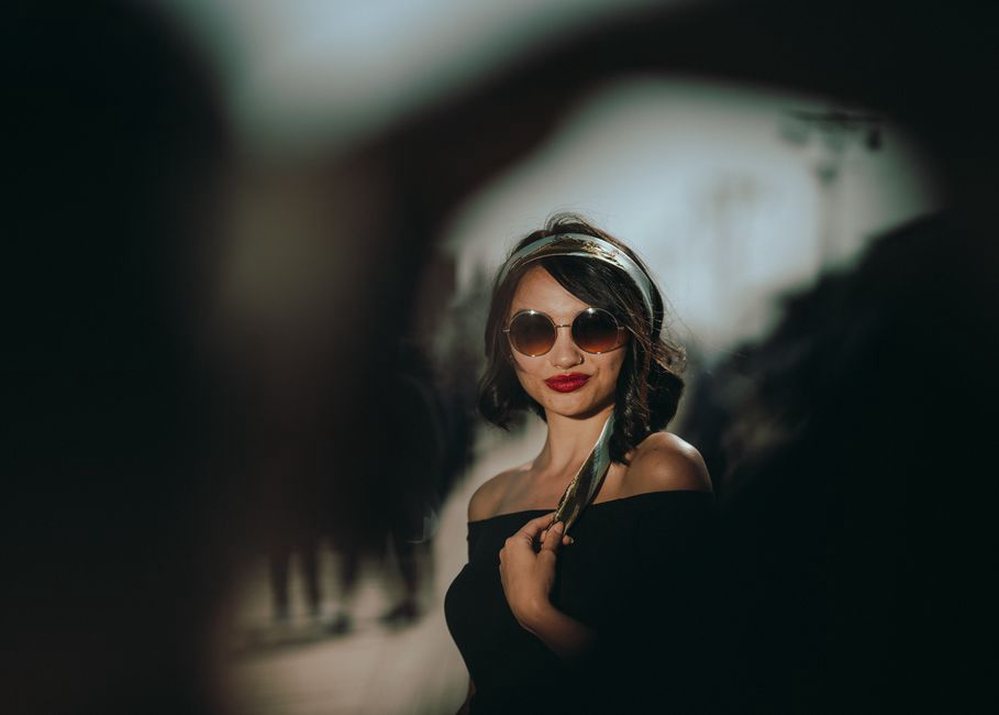
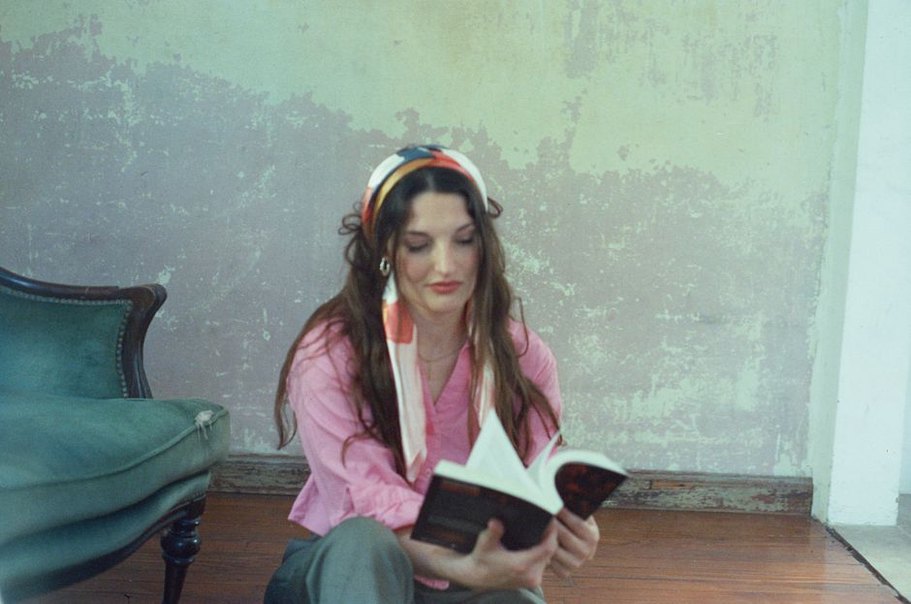
A printed headscarf could shield a carefully arranged style from wind, cover rollers between settings or simply add pattern. Worn over the head and tied beneath the chin, it framed the face and could be removed on arrival. Folded into a long strip and tied beneath the hair, it acted more like a soft band. A smaller scarf wrapped around a ponytail brought colour to a plain style.
The fabric changed the effect. Light silk and similarly fluid materials made soft knots and draped close to the head; firmer cotton kept a more definite fold. Prints offered a way to connect an accessory with an outfit without matching them exactly. Picking up one colour from a dress often looked more considered than a complete matching set.
Slides, combs and pins
Slides and barrettes held back side sections or shorter pieces around the face. Plain metal or plastic versions could almost disappear into the hairstyle; larger decorative fronts became accents. Small combs helped anchor rolls and updos, although their teeth generally needed enough arranged hair to grip. Pins did quieter work inside a style, holding its shape out of sight.
Appearance and age are separate questions. A slide sold today may resemble a sixties example, while an older clip might have stayed in use for decades after it was made. Its shape offers a styling clue, not a date stamp.
Hats and occasion pieces
Hair accessories did not entirely displace hats. Weddings, formal services and other dressed-up occasions could still call for a hat or small headpiece. The hairstyle beneath mattered: height at the crown could affect how securely a shaped hat sat, while a fringe might remain visible below the brim. Decorative combs or pins also lent evening updos a more formal finish. These occasion looks existed alongside the decade’s younger street fashions.
Why British context matters
London boutiques, fashion magazines and well-known photographers spread an image of a young, experimental Britain. Their pictures, though, capture a selective slice of life. Wardrobes commonly mixed new purchases with older clothes, home sewing, gifts and inexpensive accessories. A length of ribbon could refresh a familiar dress; a scarf could move between hair, neck and handbag. That versatility helps explain their appeal without assuming everyone followed fashion at the same pace.
Class, age, workplace rules and occasion shaped what people wore. A dramatic band from a fashion photograph might not suit a uniform or conservative office, where a discreet slide would be more practical. Some ribbons and bands carried school associations, while scarves had uses well beyond youth fashion. On a windy British street, a scarf might protect a set as much as express a style.
Celebrity photographs are useful, but limited. They show how a hairstyle and accessory were meant to be seen, often under studio lights and with carefully chosen clothes. Family snapshots offer another view: a slightly crooked bow, a practical clip, a scarf tied for an ordinary outing. Neither source represents every British wearer.
Materials and construction: what the object reveals
Sixties-style accessories used familiar materials as well as bold, affordable colour. Fabric bands could cover a shaped core; ribbons came in matte and glossy finishes; scarves appeared in a variety of printed textiles. Plastic made strong colours and smooth shapes possible in bands, combs and decorative clip fronts. Metal supplied springs, hinges, teeth and pins, often hidden beneath the visible surface.
Construction affects both appearance and use. A covered band has a softer edge than bare plastic, while a large decorative clip front may conceal a smaller clasp. The curve of a comb’s spine and the spacing of its teeth influence how it sits in the hair. Turn an object over: its underside often says more about its purpose than the ornament on top.
Colour alone is a poor way to date a bright plastic band or geometric slide. Similar forms appeared before and after the 1960s, and components may have been replaced. A convincing attribution draws on several clues together: construction, materials, wear, reliable provenance where available, and comparison with dated examples. A seller calling something ‘mod’ is describing a look, not proving its age.
Reading photographs without flattening the decade
When you examine an accessory in a sixties photograph, begin with what it does. Does it tie, clasp or stay put through its own tension? Is the bow separate from the band? Is the scarf covering the hair or folded into a strip? These details explain the silhouette and make it less tempting to build an interpretation around an inaccurately dated object.
Then look at the hair around it. A band against a raised crown belongs to a different styling arrangement than the same band against flat, centre-parted lengths. Clothing and setting matter too: an occasion photograph may call for a formal headpiece, while an outdoor snapshot may show a scarf worn partly for shelter. One photograph can show that a combination was worn, but not how common it was.
- Early-decade polished shape: a narrow ribbon or restrained band beside a rounded, set crown.
- Mid-decade graphic effect: a smooth, wider band or uncluttered slide working with a fringe or sharp cut.
- Later relaxed styling: a folded scarf or narrow band with longer, less structured hair.
Think of these as visual groupings, not fixed dates. Fashion spread unevenly, and accessories often stayed in wardrobes long after magazines declared something new.
Bringing a sixties detail into a modern wardrobe
A sixties reference often feels more convincing when it borrows one relationship between hair and accessory rather than copying an entire outfit. A wide band with a clean-lined dress recalls the contrast between graphic clothing and controlled hair. A narrow ribbon at the base of a low ponytail is quieter. A printed scarf with a plain jumper and coat adds pattern without requiring a period hairstyle.
Consider scale. A large bow reads clearly against simple clothes; a delicate slide may get lost beside an elaborate print. Colour can connect an accessory to an outfit without an exact match: pick up a minor shade in a scarf print, or repeat the colour of a collar in a plain band. These are choices about balance, not rules about who may wear a style.
Let function have a say, too. A scarf can be retied for different hair arrangements, whereas an old comb needs sufficient grip. Do not force fragile teeth into a tightly secured style. For regular wear, a sound contemporary accessory can give you the sixties outline while a delicate vintage piece stays safely stored. Describe a reproduction as a reproduction; the shape is enjoyable without passing it off as original.
Choosing a vintage piece with care
If you are drawn to an original, inspect it as an object meant to move and flex. Open a slide gently and check that its clasp closes squarely. Look along a band for a cracked core or lifting fabric, and along a comb for missing or stressed teeth. Check behind decorative fronts for loose fixings. Unfold a scarf and inspect its edges and corners, where knots and repeated handling may have left the clearest wear.
Condition and wearability are not the same. Light surface wear can be part of a piece’s history without affecting its use. A failing spring or splitting comb tooth, however, makes wearing it risky for the object. Ask what supports a sixties date rather than trusting the silhouette alone. Packaging or a documented family history may help, but neither cancels out clear signs of replaced parts.
Match care to the material. Store a scarf loosely folded in a clean, dry place instead of leaving it tightly knotted. Keep a fabric-covered band where metal clips cannot snag it. Avoid repeatedly testing a vintage spring. If a piece is delicate or its material uncertain, it may be better kept than worn every day.
For a small, wearable sixties detail, try a plain band a little behind a fringe and keep the rest of the outfit uncomplicated. Before going out, check that the ends sit comfortably and the covering is secure. A clean line is no use if the band has to be forced into place.