
How to Shop Vintage Hair Accessories at Collection Sales
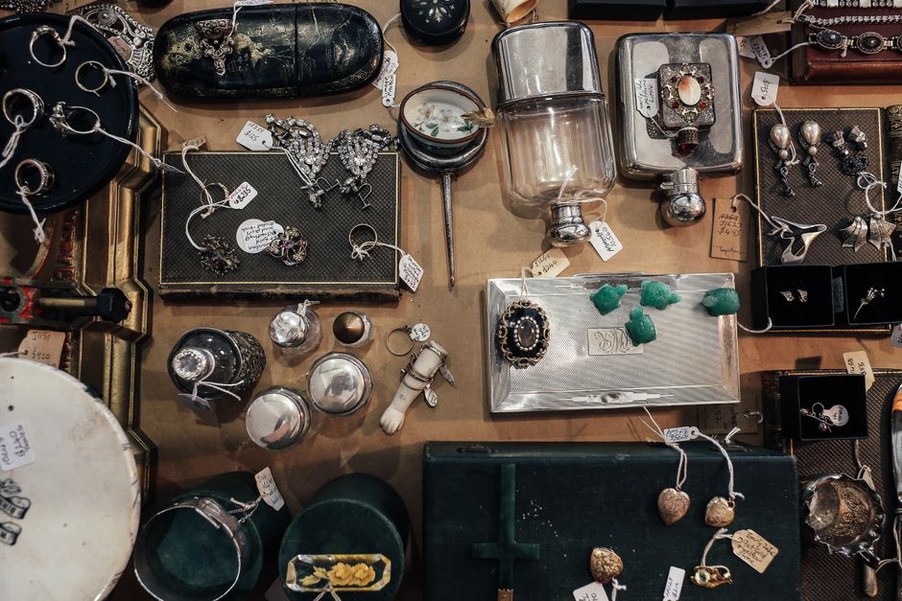
The first time I walked into a private collection sale, I was drawn to a 1920s bandeau that had been tucked away for decades. The silk was still crisp, the rhinestones set in silver foil, and the previous owner's name was pencilled on the inside of the box. That single piece taught me more about the Edwardian love of ornament than any museum display ever could. But collection sales are not just treasure troves — they demand a sharp eye, a steady hand, and a respectful understanding of the pieces you are about to bring home. Whether you are browsing a physical estate sale, an online auction catalogue, or a dealer's 'clearance of a lifetime' event, knowing how to navigate these events will save you money and heartbreak.
Preparing for a Collection Sale
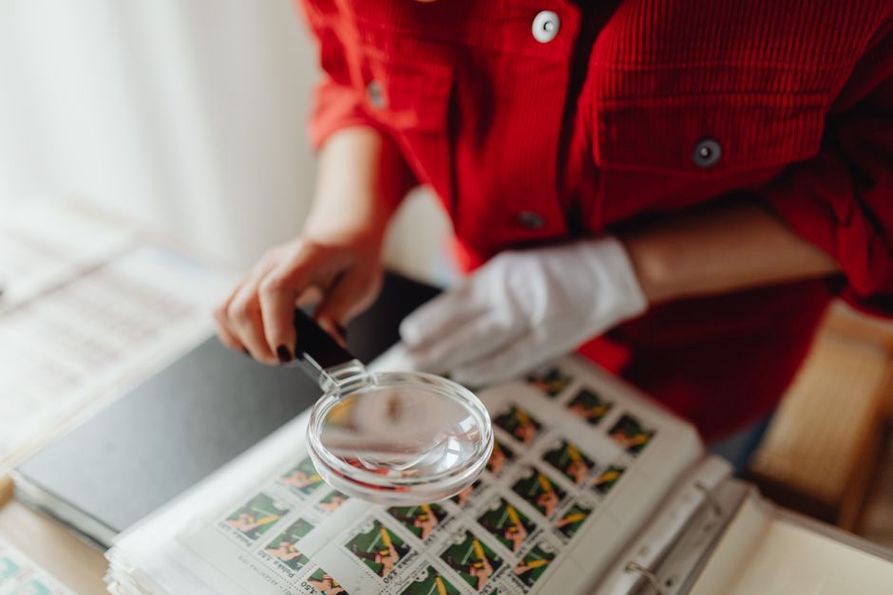
Start your hunt days before the sale opens. Reputable sellers often publish a list of lots or a preview gallery. Study the photographs carefully: look for close-ups of clasps, hinges, and the back of the piece. A blurry image of a 1950s bow clip might hide a broken spring. If the sale is in person, attend the preview day. Bring a small notebook, a magnifying loupe, and a pair of clean cotton gloves. Handle the pieces only with gloves — oils from your fingers can damage celluloid, tortoiseshell, and early plastics. Note the condition of any metal components: brass backings on 1930s clips often develop verdigris, which can be cleaned but may indicate corrosion that weakens the metal.
Know your budget before you arrive. Collection sales can be emotionally charged, especially when you see a rare 1920s celluloid comb or a set of Georgian hairpins. Set a hard limit and stick to it. If you are bidding online, set a maximum bid immediately and do not raise it during the final seconds — auction fever is real, and the thrill of winning can lead to regret.
What to Look for When Inspecting Vintage Hair Accessories
When you have a piece in hand, follow a systematic checklist. For our readers who want a deeper dive into identifying 1920s combs, I recommend revisiting our collector's guide to vintage hair slides, where we discuss the hallmarks of celluloid and early plastics. Here are the key points to examine at any sale:
- Structural integrity. Gently flex the piece — a hairpin with a hidden crack will snap under tension. For combs, run your thumb along the teeth; missing or chipped teeth dramatically reduce value and usability.
- Metal fatigue. Check the spring mechanism of claw clips and barrettes. Open and close the clip slowly. A sluggish spring can often be repaired, but a broken spring on a 1950s German-made clip may be impossible to replace.
- Surface condition. Look for colour changes in celluloid — a yellowed or milky appearance often indicates degradation that cannot be reversed. For tortoiseshell, avoid pieces with deep cracks or flaking layers.
- Originality. Are the stones original? Many 1920s and 1930s pieces were re-set with later rhinestones. Check for mismatched settings or glue residue. A piece with its original stones — even if slightly worn — is more collectible.
- Provenance. If the seller offers a history, note it. A note from the original owner, a photograph of the piece being worn, or a dated receipt adds immense value and storytelling power to your collection.
The Art of the Negotiation
Collection sales, especially private ones, often have room for negotiation — but approach it with grace. Ask the seller if they have a best price before you make an offer. If a piece is priced at £80 and you see a minor flaw, politely point it out and suggest £60. Sellers respect buyers who are knowledgeable and polite. Avoid haggling aggressively on low-value items under £20; it can sour the relationship. If you plan to buy multiple pieces, ask for a bundle discount. Many collectors are happy to see a single home take a group of items that might otherwise be split among several buyers.
For online sales, the negotiation is different. If the listing has a 'make an offer' option, research the market value first. Use sold prices on auction sites, not asking prices. A rare 1930s bakelite hair slide might be listed at £150, but sold comparables might show £90–£110. Offer £85, and be prepared to meet in the middle.
Caring for Your New Acquisitions
Once you have successfully navigated the sale, the real work begins. Vintage hair accessories need gentle cleaning and proper storage. For celluloid, never use alcohol or acetone — they dissolve the surface. Wipe with a soft, dry cloth. For metal-backed pieces, a tiny dab of Renaissance wax on a cotton bud can protect the finish without altering the patina. Store each piece separately in acid-free tissue paper or a padded box. Avoid stacking heavy combs on top of fragile bandeaus.
If you have bought a piece that needs repair, consult a specialist who works with vintage costume jewellery and hair accessories. Many silversmiths or antique restorers can re-tip comb teeth or replace a missing stone. But accept that some wear is part of the charm — a 1920s hairpin with a slightly tarnished silver plate tells a story of dances and dinner parties.
When to Walk Away
Not every piece at a collection sale is a bargain. Some items are overpriced because the seller attaches sentimental value. Others are damaged beyond practical use — a 1910s French hair comb with a hairline fracture through the entire body will not survive a single wear. Learn to say no. A collection sale is not a race; there will be other opportunities. The best collectors know that patience is as valuable as a keen eye.
Finally, always carry a small flashlight and a magnifying loupe when visiting a collection sale. That little beam of light, shining through the teeth of a tortoiseshell comb, can reveal cracks invisible to the naked eye — and save you from a purchase you would later regret.