
Fashion Through the Lens of Vintage Hair Accessories
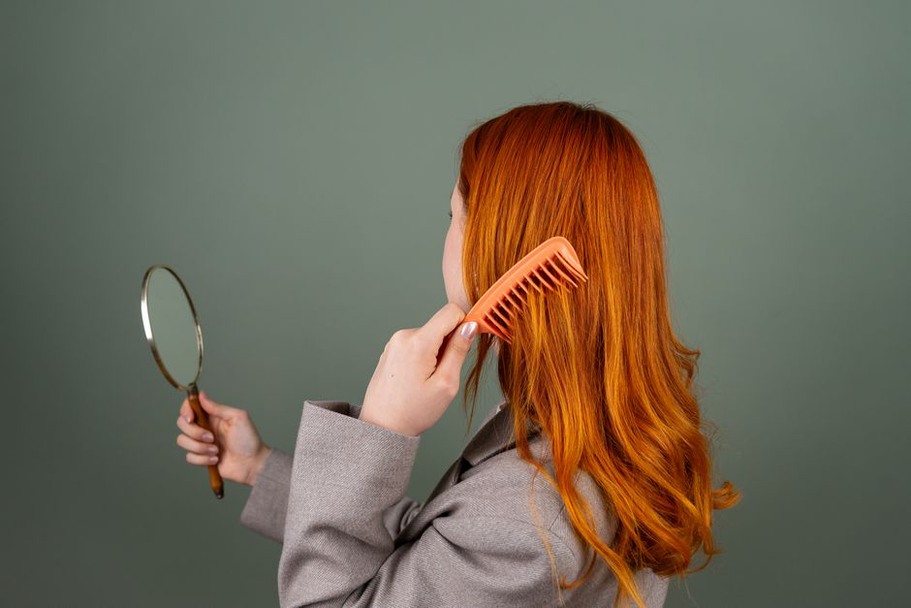
A single tortoiseshell comb can tell you more about an era's fashion than a rack of dresses. The way it was carved—hand-filed along the spine, with teeth spaced just wide enough to hold a heavy Edwardian pompadour—reveals not only the hairstyle it served but the whole silhouette: the high collars, the boned bodices, the imperative that a woman's hair be a crown. Vintage hair accessories are fashion artifacts in miniature, and understanding their place in the broader fashion category is key to both collecting and wearing them with intention.
The Language of Silhouettes and Materials
Every era of British fashion produced distinct hair accessories because the shape of the head—and the hairstyle resting on it—changed with the decade. Edwardian women wore enormous hairpieces padded with rats and postiche, secured by long, sturdy combs made of real tortoiseshell or horn. The combs were functional but also decorative; a finely engraved back might match the filigree on a blouse button. By the 1920s, the bob demanded a completely different vocabulary: small, geometric barrettes in celluloid or early plastic, often decorated with art deco motifs. The fashion category shifted from volume to sleekness, and the accessory followed suit.
Materials themselves are a fashion language. Celluloid—light, cheap, and mouldable—allowed for mass-produced accessories in the 1930s that mimicked ivory or amber, making elegant shapes available to every wardrobe. Bakelite in the 1940s brought bold, opaque colours that matched the new synthetic fabrics. Later, the 1950s French twist required the short, curved comb to grip a tight roll of hair at the nape of the neck. These items were never just hair tools; they were extensions of the fashion era’s silhouette.
Daywear vs. Evening Wear in the Edwardian Era
A common mistake among new collectors is treating all vintage accessories as interchangeable. In the Edwardian period, day combs were smaller, darker, and more practical—made of horn or wood, occasionally with a simple etched line. Evening combs were often larger, set with paste stones or painted with floral motifs, and designed to catch candlelight. The fashion context mattered. A woman would no more wear her mother-of-pearl evening comb to a morning shopping trip than she would wear a satin ball gown. Understanding these distinctions helps you build a collection that is historically accurate and also wearable today: a horn day comb pairs beautifully with a linen shirt and tweed, while a paste-studded comb elevates a silk slip dress to occasion-worthy.
Mixing Eras: A Practical Wardrobe Approach
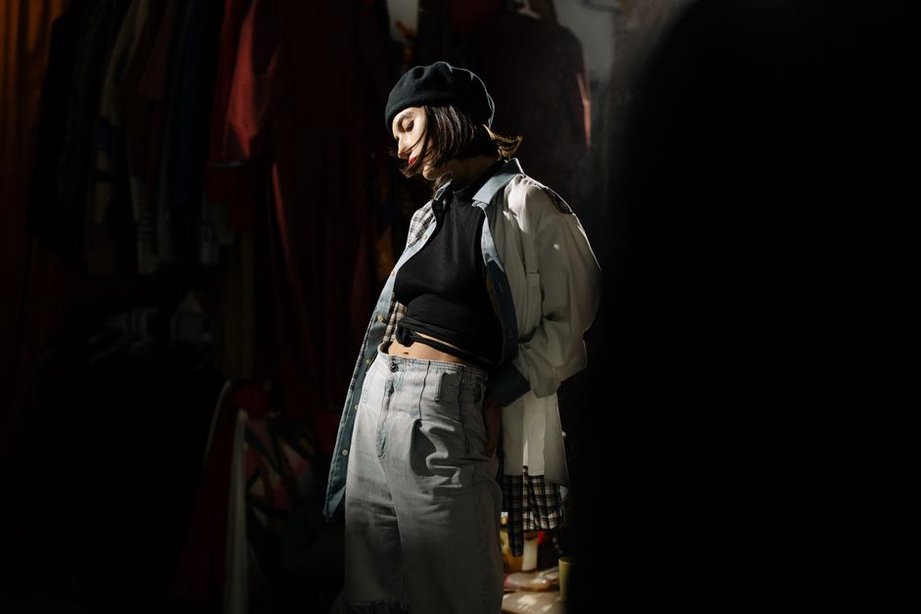
One of the greatest pleasures of vintage accessories is the way they can bridge two worlds. A 1940s Bakelite barette in oxblood red claps onto a modern cashmere beret and instantly links the wearer to the austerity-era spirit of making do with beautiful things. But success requires restraint. Here are some guidelines for blending vintage hairpieces with contemporary clothing:
- Match the occasion, not the decade. A pagoda-topped hairpin from the 1920s is delicate enough for a daytime brunch; a large Louis XV-style comb from the 1950s is better reserved for evening events where its size won’t overwhelm a casual silhouette.
- Let the accessory dominate. When wearing a statement vintage comb, keep the rest of your outfit simple—no competing pattern or heavy jewellery. Let the comb be the focal point.
- Anchor with a neutral colour. Black, navy, grey, and cream are the safest backgrounds for any vintage material, from tortoiseshell to painted celluloid. The accessory’s colour and texture will stand out.
- Pay attention to hair length and texture. Vintage clips and combs were designed for specific hairstyles—the French twist comb works best with shoulder-length or longer hair that can be twisted. Try the accessory before buying to ensure it will hold securely in your hair type.
- Respect the original fastening method. Many Edwardian combs have long, widely spaced teeth that rely on the natural bulk of a full head of hair. Modern thin hair may need a little backcombing or a small hairpin for extra grip. Never bend a vintage comb; it may snap.
Why Fashion Categories Matter for Collectors
Building a thoughtful collection is not about accumulating every pretty thing you find. The most satisfying collections are those that follow a clear fashion category—maybe all accessories from the 1930s art deco period, or only pieces that incorporate a specific material like celluloid. Once you define your focus, each acquisition becomes a deeper exploration of a single era’s design logic. The industry behind these accessories is fascinating: as explored in our article The Business of Fashion: How Vintage Hair Accessories Shaped an Industry, the manufacturing innovations of the early twentieth century made fashionable hairpieces affordable to a broader public, which in turn changed what women wore every day. That commercial evolution is still visible in the patent numbers stamped on the back of many Bakelite clips.
A Practical Final Note
Before you add a new piece to your collection, ask yourself what fashion story it tells—then wear it accordingly. Is it a demure day comb from a rural Edwardian household, or a glamorous evening piece from a 1950s London salon? The answer will guide not only how you style it, but how you care for it, store it, and eventually pass it on. Vintage hair accessories are not just ornaments; they are the smallest, most intimate garments of the past.