
What the November 2018 Archive Contains: Celluloid, Bakelite, and Edwardian Combs
One crisp November morning in 2018, a reader wrote to say she had found a pair of 1930s celluloid side combs at a church jumble sale in Kent—and that our blog post about recognising early synthetic materials had saved her from passing them by as ‘just old plastic’. That letter, tucked into the archives of that month, reminds us why November 2018 was such a rich period for this publication. The posts published during those thirty days were not merely seasonal; they laid out practical identification tips, deep dives into forgotten makers, and a quiet philosophy of collecting that still resonates today.
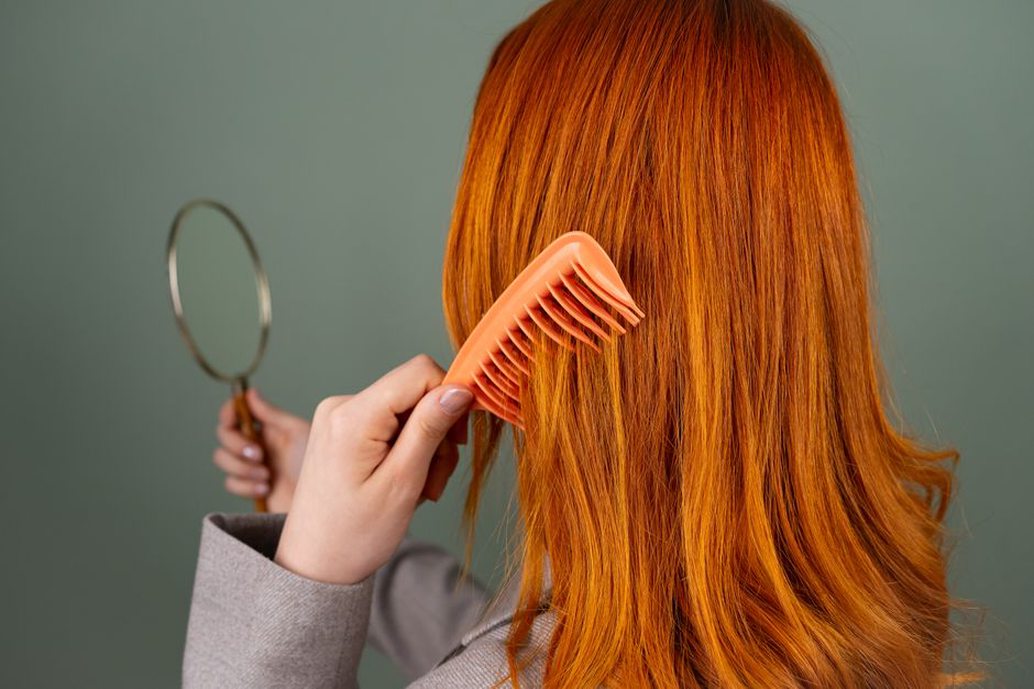
What the November 2018 Archive Contains
The eleven articles from that month fall into three clear clusters: material science for the collector, Edwardian and Art Deco case studies, and a short series on winter storage. Each cluster was written with the belief that a vintage accessory is only as good as the knowledge you bring to it. Let’s walk through the highlights.
Material Mastery: From Celluloid to Bakelite
November opened with a two‑part guide on distinguishing early plastics without damaging the item. The first post covered the camphor test for celluloid—a gentle rub with a damp cloth releases that unmistakable medicinal smell. The second tackled Bakelite: the hot water trick (a small inconspicuous area dipped in warm water emits a formaldehyde scent) and the 409 cleaner test, which turns Bakelite yellow. Both posts included photographs of the colour shifts and bubbles typical of each material. For anyone who has ever hesitated over a shiny green barrette at a flea market, those entries are worth revisiting.
If you are new to collecting, a solid understanding of these materials will save you from mistaking 1950s urea formaldehyde for 1930s Bakelite—a common error that can cost both money and archival accuracy. The November archives also linked to a Christmas Vintage Hair Accessories: A Collector's Guide to British Treasures, which, while published later in the year, shares the same commitment to material honesty.
Edwardian Combs and the Centenary of Armistice
2018 marked the 100th anniversary of the Armistice, and the blog ran a small series on mourning jewellery adapted into hair accessories. The November 13th post examined a tortoiseshell side comb inset with a miniature portrait of a soldier; the original owner had worn it to a memorial service in 1919. The comb’s reverse showed a tiny engraving: ‘E. L. 1917’. The post walked through how to date such pieces by the style of the engraving and the type of clasp used. It also offered advice on storing mourning accessories—keep them away from strong light, as the albumin binder in early photographic portraits can fade within weeks if exposed to direct sun.
Another favourite from that month was the article on ‘scratch‑carved’ horn combs from the late 19th century, a technique where the artisan etched floral patterns with a needle before dyeing the background black. Three examples from the author’s own collection were photographed at different angles to show the depth of the carving. The practical takeaway: never use metal polish on horn, as it strips the natural patina. Instead, a very dilute mix of beeswax and turpentine (one part wax to eight parts turps) applied with a soft cloth and buffed gently will revive the gleam without damage.
Winter Storage: A Practical Mini‑Series
The third cluster, published in the last week of November, addressed a perennial worry: how to keep your collection safe through damp British winters. Key advice included:
- Silica gel packets in your display boxes, but never touching the accessories directly—they can dry out natural tortoiseshell and horn, causing cracking. Place them inside a small breathable pouch (a clean cotton sock works well).
- Acid‑free tissue paper between layered combs and slides. Avoid newspaper; the ink contains acids that can stain celluloid permanently.
- Wood vs. metal storage. A wooden box with a tight‑fitting lid is preferable to a metal tin, because metal can trap condensation if the temperature swings (e.g., a radiator turned on after a cold night).
The mini‑series ended with a recommended rotation schedule: every three months, take your entire collection out for a gentle wipe with a microfiber cloth and a 24‑hour airing on a velvet mat. This not only prevents dust buildup but gives you a chance to re‑examine each piece with fresh eyes—a ritual that the November 2018 archives described as ‘the collector’s quietest pleasure’.
Why Revisit These Archives Now
Archives are not merely static records; they are resources you can mine again and again. The November 2018 posts contain identification tables (e.g., celluloid vs. casein vs. Bakelite at a glance) that are still accurate and not yet superseded by newer research. They also include a small gallery of ‘forgotten makers’—names like T. R. S. of Birmingham and Mappin & Webb—that can help you attribute unmarked pieces you might stumble upon today. If you are building a personal database of your collection, the techniques described in How to Build a Simple HTML Archive for Your Vintage Hair Accessory Collection pair beautifully with the material‑knowledge articles from that November.
One final practical note from the archives: a comment thread attached to the November 19th post reveals that several readers successfully used a very weak solution of distilled water and white vinegar (10:1) to remove 1950s hairspray residue from metal slides without damaging the silver plating. The solution should be applied with a cotton bud, never submerged. This kind of direct, reader‑tested advice is the real gold inside old blog archives—and November 2018 is full of it.