
Blog Archives: September 2017 — A Month of Craftsmanship and Revival in Vintage Hair Accessories
In September 2017, the blog's archives held a particularly rich collection of entries on the revival of Edwardian hair jewellery, a theme that had been quietly building throughout the year. Unlike the glittering costume pieces of the 1980s that dominated earlier summer posts, this month turned toward materials that whispered rather than shouted: tortoiseshell, horn, velvet, and oxidised silver. The shift reflected a broader movement among British collectors toward pieces that felt substantial in the hand and carried a clear narrative of making.
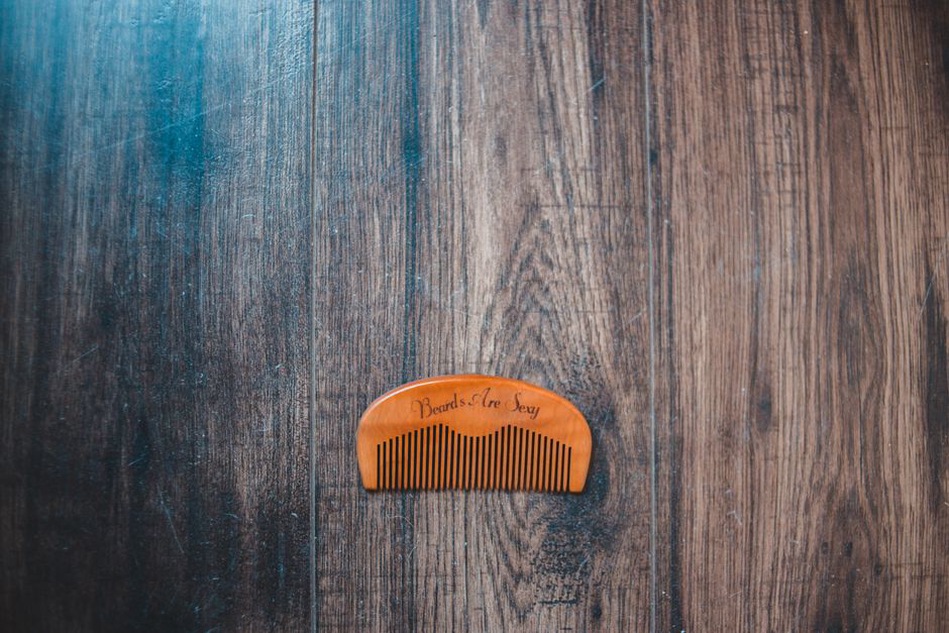
The Tortoiseshell Revival
One of the standout subjects in the September archives was the reappraisal of tortoiseshell combs. Not the synthetic imitations that flooded the market after the mid-20th century, but genuine chelonian shell, used in British hairdressing since the Regency era. A post from the second week of the month detailed how to distinguish real tortoiseshell from its celluloid and bakelite cousins by looking for a mottled translucency and a faint, warm smell when gently heated with a hairdryer. The writer emphasised that collectors should never polish antique shell with modern abrasives—a mistake that can erase the very patina that gives these pieces their value.
The archives also revisited the classic 'straight jacket' comb, a rigid, wide-toothed design that held elaborate updos in place without the need for pins. As we noted in our earlier exploration of The Straight Jacket Comb: A Century of British Style in One Accessory, this silhouette remained remarkably consistent from the 1890s through to the 1940s, and September's articles added fresh context with photographs of original Edwardian advertisements from London department stores.
Velvet Bows and the Return of the 1950s
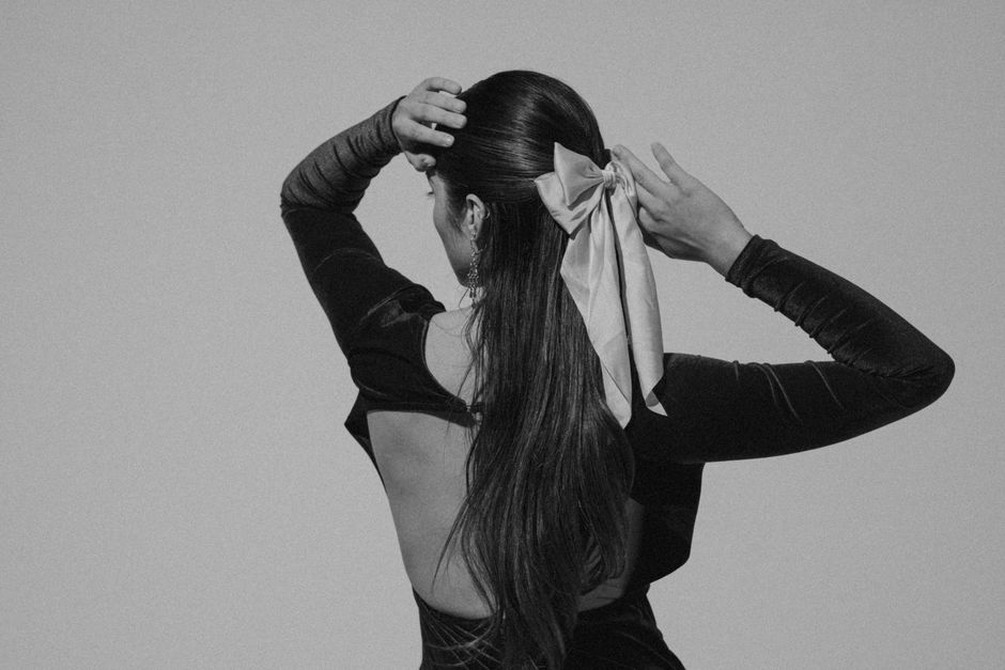
September 2017 also saw a surge of interest in velvet ribbon bows, a hallmark of early 1950s British fashion. Unlike the stiff, mass-produced bows of later decades, these were handmade from silk velvet, often backed with a thin wire to hold their shape. The archives included a practical guide to dating velvet bows by the width of the ribbon: pre-1955 bows rarely exceeded two inches, while later versions grew wider and more exaggerated. A reader-submitted photograph showed a deep burgundy bow clipped onto a modern silk scarf—a perfect example of the quiet elegance that the blog champions. That theme was echoed in another post from the same month, which discussed Volume, Not Sparkle: The Quiet Elegance of Vintage Hair Accessories, arguing that texture and form often matter more than glitter.
Glimpses of the 1920s: Hair Jewellery and Filigree Combs
Another thread running through the September archives was the rediscovery of 1920s hair jewellery—small, ornate combs and slides made from filigree silver or gilded brass, often set with paste stones. These pieces were designed to be worn low on the nape of the neck, a departure from the towering Edwardian styles. A detailed post compared three examples from the same decade, showing how subtle changes in the filigree pattern could indicate different Birmingham silversmiths. The author also warned against over-cleaning these delicate items: a gentle wipe with a dry microfibre cloth is sufficient to restore their lustre without damaging the metal.
Practical Tips from the September Archives
The month's posts were particularly strong on practical care advice. Below is a summary of the most frequently repeated recommendations:
- Store tortoiseshell and horn combs away from direct sunlight and heat sources to prevent warping and discolouration.
- Use a soft, dry brush (a clean mascara wand works well) to remove dust from intricate filigree without scratching.
- Never submerge velvet bows in water; spot-clean with a barely damp cloth and allow to air dry flat.
- If a metal slide has lost its spring, consult a jeweller who specialises in antique repairs rather than attempting a DIY fix.
- Keep a small notebook alongside your collection to record the estimated decade and any known provenance—this habit was encouraged in a September entry titled 'The Collector's Log'.
Why September 2017 Still Matters
What made the September archives distinctive was their focus on the intersection of material knowledge and personal history. Each post seemed to ask not just 'what is this?' but 'who made it, and how did it arrive in a British dressing table drawer?' One entry traced a single tortoiseshell comb from a 1910 Birmingham workshop to a 1960s charity shop in Cornwall, using hallmarks and family letters to reconstruct its journey. Another shared a reader's story of inheriting a set of 1920s filigree slides from her grandmother, who had worn them to a dance in Brighton in 1926. These narratives gave the archives a warmth that technical guides alone cannot achieve.
One of the most practical posts that month offered a step-by-step guide to cleaning a dusty tortoiseshell comb without damaging the patina—a skill every collector should have. The method involved a paste of cornflour and water applied with a cotton bud, followed by a gentle buff with a soft cloth. It was a small, repeatable ritual that turned maintenance into a meditative act, and it remains one of the most-returned-to articles in the blog's history.