
Why the June 2017 Archives Still Matter: Vintage Hair Accessories Knowledge That Holds Up
Scrolling through the blog archives from June 2017 feels like opening a carefully packed hatbox in a dusty antiques shop. That month, we published a series of posts that still spark conversations among collectors: a deep dive into late-Edwardian tortoiseshell-effect combs, a reader's story about finding a 1920s paste buckle slide at a car boot sale in Surrey, and a gentle tutorial on restitching velvet ribbon onto a bent Georgian-era lattice comb. What made June 2017 special was the shift in how readers approached their finds — less about hoarding and more about wearing them with intention.
What the June 2017 Archives Reveal About Collector Habits
Back then, many of you were just beginning to document your collections. The archives show a community learning to distinguish between machine-stamped celluloid and hand-carved horn, between a common 1950s snap clip and a rare 1930s French snap clip with a spring mechanism. One post in particular — “Five Signs Your Vintage Comb Is Older Than You Think” — became a reference point. It explained that genuine early-1900s combs often have slightly uneven tooth spacing because they were cut by hand, and that the patina on silver-plated hairpins should be uniform, not flaking. That kind of practical detail still holds up.
If you are new to building a personal archive, the conversations from that June also highlight a common mistake: buying pieces purely for their age without checking structural integrity. A 200-year-old comb with a hairline crack through the crown will not survive regular wear. The archives remind us to examine the spine of a comb under a strong light, and to test the tension of a spring clip before committing to a purchase.
Materials Spotlight: What We Learned About Celluloid and Horn
June 2017 was the month we finally settled the celluloid-versus-horn debate for our readers. Celluloid, invented in the 1850s, was marketed as an affordable alternative to tortoiseshell. It can mimic the mottling of natural shell, but it has a distinct camphor smell when warmed. Horn, by contrast, feels denser and, when held against the cheek, stays cool to the touch. The archives include a practical table that readers still reference:
| Material | Era Popular | Care Tip |
|---|---|---|
| Celluloid | 1860s–1930s | Keep away from direct heat; store flat to prevent warping |
| Horn | 1700s–early 1900s | Condition with a drop of jojoba oil every six months |
| Silver plate | 1920s–1940s | Polish only with a soft cloth; avoid silver dip on filigree |
That post also warned against ultrasonic cleaners for horn — a tip that saved at least one reader's precious Art Nouveau slide from cracking. The archives are full of such small, hard-won pieces of knowledge.
The Cult Silhouette That Defined June 2017: The Low Chignon
Among the most-read articles that month was a styling guide for the low chignon using vintage hair accessories. The low chignon, popularised in the 1940s and revived in the 1990s, was having a quiet moment in 2017. Readers were pairing it with Georgian-era hair pins and mid-century tortoiseshell combs. One reader wrote in describing how she used a single Edwardian hairpin to secure a modern twisted bun for a wedding — and received three compliments from strangers. That anecdote sums up the spirit of those archives: vintage accessories are not museum pieces; they are tools for everyday elegance.
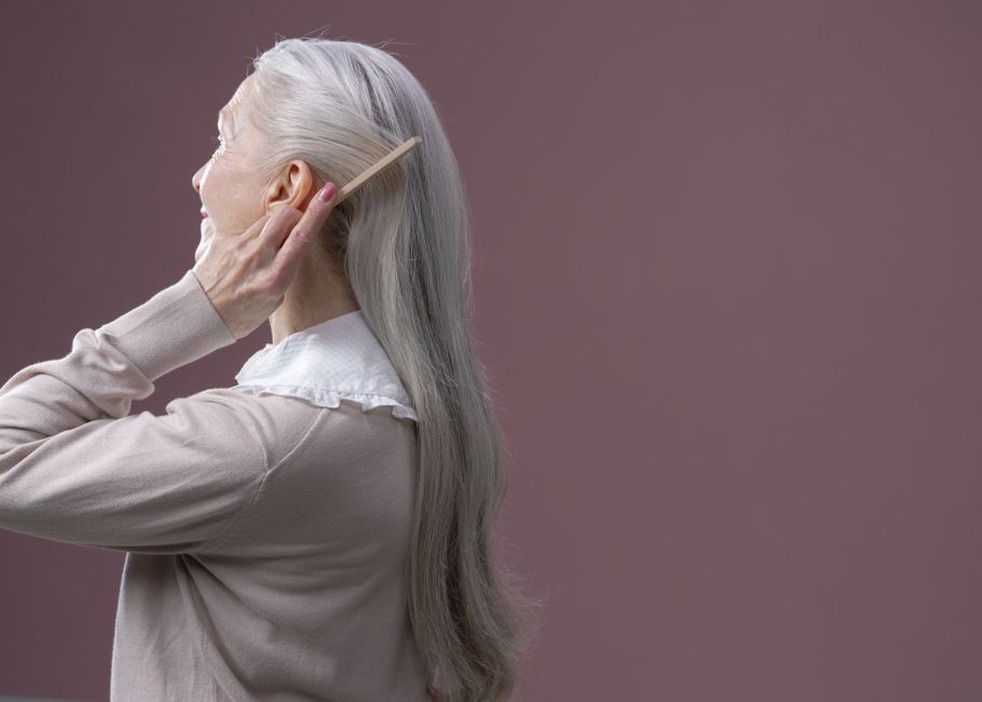
If you want to recreate that look, the archives suggest starting with a comb that has at least five teeth and a curved back that follows the shape of your skull. A flat comb will slip out of a chignon. The best finds from that era are combs with a slight upward curve — often labelled as “banana combs” in 1940s catalogues. They grip the hair without needing pins, and they work beautifully with second-day hair that has a bit of texture.
Where to Look: The Archives' Favourite Hunting Grounds
June 2017 also contained a roundup of reliable sources for vintage hair accessories in the UK. Readers shared their successes at the Ardingly Antiques Fair, the monthly flea market at Sunbury, and the vintage textiles section of the Lincolnshire Showground. One memorable comment described a £3 find at a church hall sale in Kent — a pair of 1920s paste slides that later appraised for over £200. The moral was not about profit, but about training your eye to spot quality among the clutter.
For those who prefer to search online, the archives recommended focusing on listings that show the back of the accessory, because that is where wear and repair are most visible. A seller who photographs the hinge of a clip or the teeth of a comb is usually someone who understands the piece. The archives also included a gentle reminder to ask about provenance — not to be intrusive, but because a comb that belonged to a single owner often has less stress damage than one that passed through multiple resale bins.
Bridging Eras: Wearing 1920s Hair Slides with a Modern Trench Coat
One of the most practical articles from that June explored how to incorporate 1920s paste buckle slides into a contemporary wardrobe. The key, the author wrote, is contrast. A sparkly, geometric slide looks fresh against the matte cotton of a modern trench coat, but can feel costume-like against a sequinned dress. The archives recommended wearing a single slide at the nape of the neck for daytime, and stacking two slides asymmetrically for evening. Readers responded with photos of their own experiments: a jet-black Art Deco slide with a cream linen blazer, a silver-plated buckle with a chunky knit sweater.
That article also addressed a practical concern: how to keep a heavy slide from slipping on fine hair. The solution was a small, clear elastic band tied at the base of the ponytail or bun, with the slide's pin pushed through the elastic rather than through the hair alone. It is a trick that still appears in reader comments today.
Preservation Wisdom from the 2017 Archive
June 2017 was the month we published a detailed guide on storing hair accessories in acid-free tissue paper — a practice that sounds obvious now but was not widely discussed in the vintage community at the time. The archives show that readers were storing celluloid combs in plastic bags, which trap moisture and cause the material to degrade. The guide recommended individual cotton pouches or acid-free boxes, with combs laid flat rather than stacked. Silver pieces were wrapped in anti-tarnish paper, and horn items were kept away from radiators.
One reader later wrote that she had saved a 1900s horn comb from crumbling by moving it out of her bathroom cabinet after reading that post. Small victories like that are what make the archives worth revisiting.
Why the June 2017 Archives Still Matter
Blog archives are not just old content; they are a record of a community learning together. The June 2017 posts captured a moment when many collectors were moving from passive accumulation to active, thoughtful use of their pieces. The questions readers asked back then — “Can I wear this without damaging it?” “How do I clean a 100-year-old comb?” “What does a quality vintage clip feel like in the hand?” — are the same questions that new collectors ask today. The answers in those archives are still sound.
If you have not explored the older sections of the blog, consider setting aside an evening to read through the June 2017 entries. A forgotten tip about removing tarnish from silver hairpins with a baking-soda paste might be waiting there, or a photograph of a rare 1930s bakelite slide that changes how you evaluate colour and weight. And if you have a favourite piece from your own collection that was inspired by something you read that month, I would love to hear about it — the archives are alive as long as we keep wearing and caring for the pieces they helped us understand.
For those ready to begin documenting their own treasures, the Archiving Vintage Hair Accessories: A Practical HTML Guide for Collectors offers a straightforward method for cataloguing your finds without needing complex software. And if you are still organising your growing collection, the Build a Vintage Collection Page with Simple HTML: No Code Needed post shows how to create a clean, shareable record of your pieces using just a text editor. Both resources were born from the very questions that filled our June 2017 archives.