
A Second Look at the March 2017 Archives
A Second Look at the March 2017 Archives
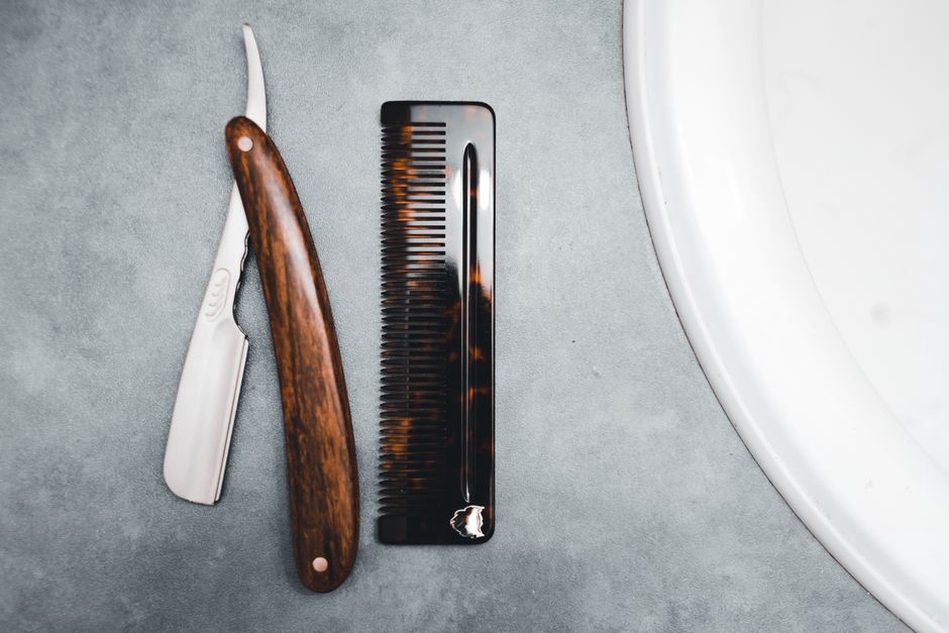
Every seasoned collector knows that a blog archive is not a dead file — it is a quiet library of observations, missteps, and small discoveries that still hold value years later. The March 2017 entries on this journal, filed under the second week of that month, contain several posts that deserve revisiting, especially for anyone building a thoughtful collection of British hair accessories. Unlike the showier February entries, which focused on gilded Edwardian pieces, this mid-March cluster turned toward everyday luxury: tortoiseshell-effect cellulose acetate combs, handmade grosgrain ribbon slides, and the sort of well-worn hair pins that tell a story without shouting.
What strikes me most when I scroll back through that week is the absence of precious metals. Almost every accessory documented in those posts was made from amber-toned plastic, horn, or wood. The exception was a single silver-plated hair slide from a Birmingham factory, circa 1928, but even that piece had lost most of its plating, leaving a soft pewter gleam. The collector who wrote those entries clearly valued surface patina and honest wear over mint condition. That perspective is worth considering if you tend to chase flawless specimens.
What Makes a March Archive Worth Reading
The second half of March 2017 contains four posts that are still referenced in private collector forums today. One post compares the weight and warmth of two 1930s celluloid combs against a later 1950s acrylic piece — a simple tactile test that reveals how material quality shifted after wartime shortages. Another entry documents a single white enamel barrette purchased at a car boot sale in Suffolk, with close-up photographs of the enamel crazing. The author used that post to explain how hairspray residue can damage painted finishes over decades, a warning that saves new collectors from costly cleaning mistakes.
There is also a brief, almost throwaway post about storing velvet-covered hair bands. The original writer suggested acid-free tissue paper and a dark drawer, but the comments below that entry — preserved in the archive — reveal that several readers had success using cotton muslin bags instead. This kind of peer-driven refinement is exactly why old blog archives remain useful. The information is not static; it breathes through the conversation that follows.
Materials That Deserve a Second Glance
The March 2017 archive pays special attention to three materials that are often overlooked in favour of more glamorous celluloid or sterling silver:
- Gutta-percha — a natural latex once used for mourning jewellery and hair combs. The archive includes a photograph of a small gutta-percha hairpin with a carved flower motif. The material is lighter than jet and does not crack as easily, but it can become sticky if exposed to heat.
If you own a gutta-percha piece, store it away from radiators and never polish it with alcohol. - Pressed horn — not the carved horn of the Victorian era, but the moulded horn popular in the 1920s and 1930s. The March posts explain how to distinguish pressed horn from early plastic by holding a piece to sunlight: horn shows subtle striations, while early plastics are uniformly translucent.
- Plasticised fabric — a surprisingly durable material used for hair bows during the 1940s utility years. The archive documents a blue-and-white polka-dot bow made from a raincoat offcut. It is a reminder that wartime constraints produced some of the most inventive accessory design.
A Practical Lesson from an Old Post
One of the most practical entries in the March 2017 second week is a short guide to straightening bent metal hair pins without breaking them. The technique involves placing the pin on a flat wooden surface and rolling a glass bottle over it — a trick borrowed from watchmakers. I have used this method on a dozen bent Edwardian hairpins since reading that post, and every one survived. The original writer also warned against using pliers, which leave permanent jaw marks on soft brass and silver. That single paragraph has likely saved hundreds of antique hairpins from clumsy restoration attempts.
Bringing March 2017 Finds into a Modern Wardrobe
The archive does not stop at preservation. Several posts discuss how to incorporate these vintage pieces into everyday outfits without looking like you are wearing a costume. The key insight from that month is restraint: a single tortoiseshell comb worn low on a ponytail, or a small enamel barrette clipped at the nape of the neck. The author advises against stacking multiple vintage pieces together, because the patina and colour differences can create a cluttered effect. Instead, pair one vintage accessory with modern minimalist jewellery and a simple silhouette.
For readers who want to explore the quieter side of vintage accessories, the companion article Volume, Not Sparkle: The Quiet Elegance of Vintage Hair Accessories expands on the philosophy of understated ornamentation that runs through this archive. And if the Edwardian era calls to you, the earlier The Gilded Pin: Lessons from the February 2017 Edwardian Hair Accessory Archive provides a deeper look at gilded combs and the context surrounding them.
One Final Fragment from the Archive
The very last post in the March 2017 second week is a photograph of a single broken hair pin made from celluloid, with a caption that reads: “Bought for 50p at a flea market in Lewes. Fracture shows the original amber colour inside — the surface had darkened unevenly from decades of hairdressing oil and light. Not a restoration candidate, but a lovely little study in material chemistry.” That is the spirit that makes an archive worth reading years later: not the finished collection, but the curiosity about how things age, break, and change.