
The Vintage Hair Bow: A Practical Guide for British Collectors
There is a particular pleasure in opening a small velvet-lined box from a Portobello Road stall and finding a 1950s grosgrain bow, its edges still crisp, its wire core just beginning to show a faint patina. That bow, perhaps once pinned to a debutante's chignon or worn by a young woman dancing at the Hammersmith Palais, carries a quiet history. For the British collector, the hair bow is not a mere accessory — it is a marker of social ritual, a feat of millinery skill, and a surprisingly versatile bridge between the past and a contemporary wardrobe.
This article is a practical exploration of the hair bow in British fashion: its material evolution, its iconic silhouettes across the twentieth century, and how to source, wear, and care for these treasures today. We will look at specific techniques, genuine vintage finds, and the small decisions that make a bow feel both period-accurate and entirely your own.
Grosgrain, Silk, and Velvet: The Materials That Define an Era
The material of a vintage bow tells you more than its date — it tells you about the occasion it was made for. Pre-war bows, particularly those from the 1920s and 1930s, were often hand-stitched from silk satin or velvet. The fabric was cut on the bias to allow the loops to hold a soft, sculptural shape. A genuine 1920s silk bow, when held up to the light, reveals tiny hand-stitches along the inner fold — a detail that machine-made reproductions cannot replicate. The velvet bows of the 1940s, by contrast, were frequently made from rayon or a silk-rayon blend, a wartime necessity that produced a slightly stiffer, more matte finish. The nap of the velvet, when brushed in one direction, catches light differently from modern synthetic velvets; it feels almost like stroking a cat's fur.
Post-war prosperity brought a explosion of grosgrain. This ribbed silk or rayon ribbon, with its distinctive crosswise ridges, became the defining material of 1950s hair bows. It held a crisp, architectural shape — perfect for the tall, curved bows that perched on the crown of the head. The grosgrain of the period is noticeably denser than modern equivalents, with a tighter weave that prevents fraying. If you run your thumb along the edge of a 1950s grosgrain bow, you will feel a clean, almost sharp finish; the ribbon was heat-sealed or hand-whipped, not simply cut with scissors.
By the 1960s, plastic and acetate entered the picture. Bows from this decade were often moulded into permanent shapes — stiff, glossy, and unapologetically bold. While less romantic than silk or grosgrain, these plastic bows are incredibly durable and often retain their shape perfectly. A 1960s clear acetate bow with a gold-tone barrette clip can still look strikingly modern, especially against a sleek low bun.
Cult Silhouettes: From the Gibson Girl to the Mod Bob
The British hair bow has taken distinct forms across the decades. Understanding these silhouettes helps you identify a bow's era at a glance and choose one that flatters your hair length and face shape.
- The Gibson Girl pouf (1900–1910): A large, soft bow made of wide silk ribbon, pinned atop a voluminous pompadour. The bow was often asymmetrical, with one loop larger than the other, and the tails were left long to cascade down the back. This bow is a statement piece; it requires at least shoulder-length hair and a willingness to backcomb.
- The flapper side-bow (1920s): A small, flat bow — often no wider than two inches — worn low on the nape of the neck or pinned to the side of a close-cropped bob. These were frequently made of velvet or satin and sometimes featured a single bead or rhinestone at the centre. They are surprisingly wearable today: pin one on a low ponytail for an instant Gatsby touch.
- The 1940s turban bow: During the war, when fabric was rationed, women repurposed scarves and ribbon remnants. The result was a practical, often self-tied bow that sat at the front of a turban or snood. These bows have a looser, more organic shape; they are the most forgiving for a beginner collector, as minor imperfections in the ribbon are part of their charm.
- The 1950s crown bow: The archetypal British formal bow — tall, structured, and made of stiff grosgrain. It was designed to sit on the very top of the head, often anchored with a hidden comb or alligator clip. This bow is a marvel of engineering: the wire within the ribbon allows the loops to be bent into a precise curve. A well-preserved 1950s crown bow can cost between £40 and £80 at a specialist vintage fair, but it is a piece that will never go out of style.
- The 1960s graphic bow: Bold, simple, and often made of plastic or patent leather. These bows were worn high on the crown, sometimes as part of a hairband. They are the most accessible entry point for a new collector, as they are still plentiful and typically priced under £20.
Finding and Choosing: What to Look for at a Vintage Fair
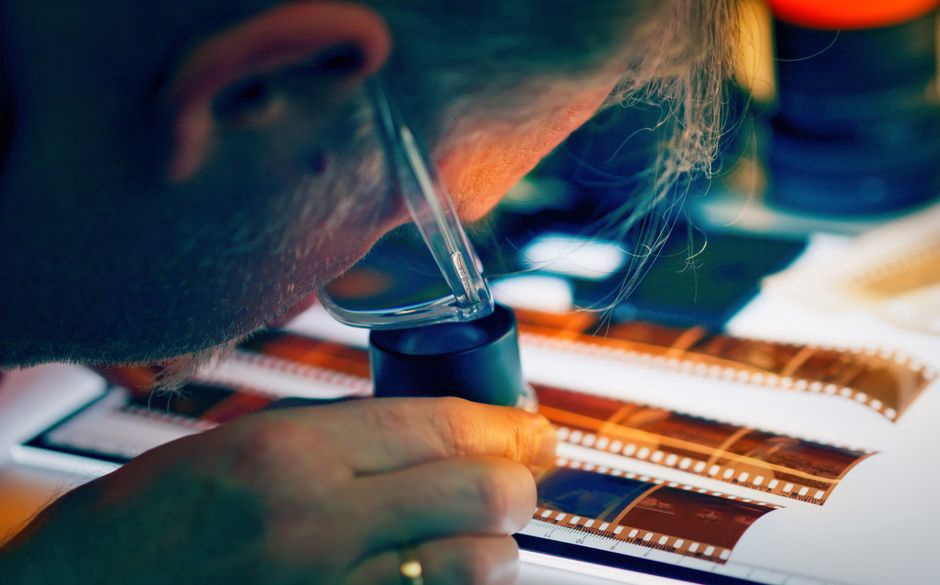
Hunting for vintage hair bows requires patience and a trained eye. I always carry a small pocket loupe — a 10x magnification is enough — to inspect the condition of the ribbon and the clip. Here is what I check, in order of importance:
- The clip or comb: Is it intact? Do the teeth of the comb still grip? For metal clips, check for rust on the spring. A light surface patina is acceptable; flaking rust is not. French-style auto-grip combs (common from the 1930s onward) are the most reliable — they hold well without pulling hair.
- The ribbon integrity: Gently flex the bow. Does the ribbon crackle? That indicates dry rot, which is irreversible. A slight discolouration around the edges is normal for silk; it is called “foxing” and does not affect wearability.
- The stitching: Are the threads intact? Loose stitches can be repaired by a good seamstress, but missing sections of ribbon or torn fabric are deal-breakers.
- The wire core: If the bow is wired, feel along the edges for broken wire ends that could snag. A wire that has snapped inside the ribbon can sometimes be re-bent, but if it has pierced the fabric, the bow is compromised.
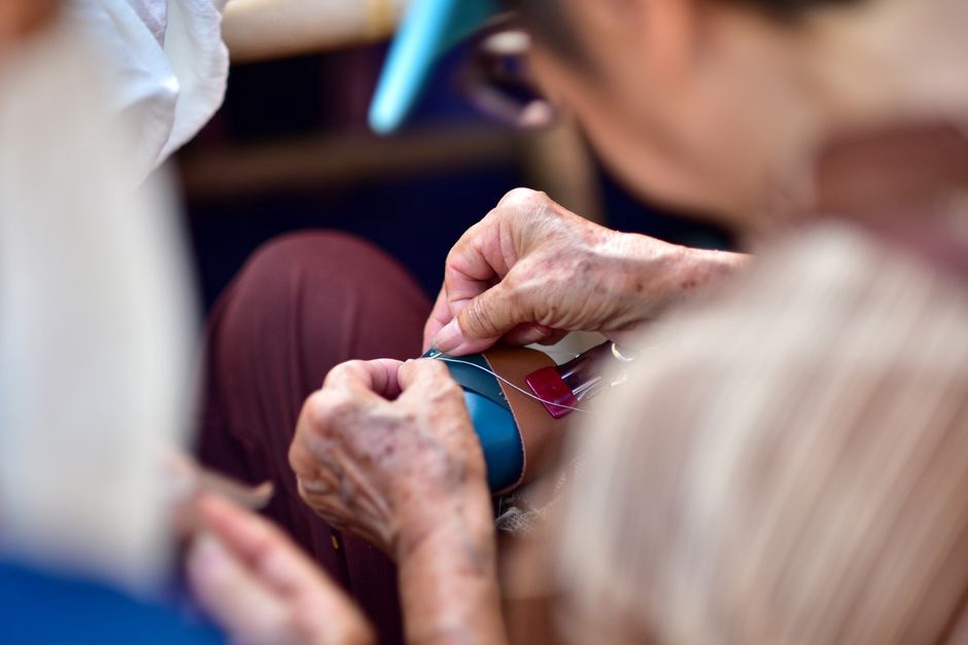
I once found a 1950s grosgrain bow at a car boot sale in Kent for £3. The clip was rusty, but the ribbon was flawless. A jeweller friend replaced the clip with a modern French grip for £8, and the bow is now one of my most-worn pieces. Repairs are often possible; do not let a small flaw deter you if the fabric is sound.
Wearing Vintage Bows with a Modern Wardrobe
The most common question I hear is: How do I wear a 1950s crown bow without looking like I am headed to a costume party? The answer lies in contrast. Pair a structured, formal bow with very casual clothing — a plain white t-shirt, raw denim, and leather loafers. The formality of the bow becomes an interesting counterpoint rather than a period statement. For evening, a small 1920s velvet side-bow pinned into a low chignon adds a subtle, sophisticated gleam against a black turtleneck or a silk slip dress.
Hair texture matters. A smooth blow-dry or a sleek low ponytail provides the best canvas for a structured bow. If your hair is naturally curly or coily, a larger, softer bow (like a 1940s turban style) worn at the nape or as a headband can look stunning without fighting the hair's natural volume. Bobby pins are your friends: use two to anchor the clip or comb securely, especially if the bow is heavy.
For those who want to build a small collection of wearable pieces, I suggest starting with three archetypes: one small velvet side-bow (1920s–30s), one structured grosgrain crown bow (1950s), and one bold graphic plastic bow (1960s). With these three, you can cover most occasions — from a day at the British Library reading room to a friend's wedding in the Cotswolds.
Caring for Your Bows: Practical Preservation
Vintage bows are more fragile than modern accessories, but with simple care they will last for decades. Store each bow flat in a drawer, lined with acid-free tissue paper. Never hang a bow by its clip — the weight of the ribbon will stretch the clip's spring over time. If the bow has a wire core, do not bend it repeatedly in the same spot; the wire will fatigue and snap. Instead, shape the bow gently with your fingers, using both hands to support the loops.
For cleaning, avoid water at all costs. Grosgrain and velvet can water-stain permanently. Instead, use a soft, dry paintbrush (a size 4 or 6 artist's brush) to dust the surface. For stubborn dirt, a white artist's eraser — the kind used for charcoal — can lift marks from grosgrain without damaging the fibres. Test on an inconspicuous area first. If the bow has a metal clip, wipe it with a dry microfibre cloth after each wear to remove oils from your hands.
If you wish to document your collection, consider creating a simple digital archive. A practical approach to cataloguing your pieces — noting the era, material, condition, and provenance — can be as straightforward as building a basic HTML page. Our guide on archiving vintage hair accessories with practical HTML offers a step-by-step method for collectors who want to keep their records organised without complex software.
One final, practical note: when you wear a vintage bow, check the clip's grip before you leave the house. A quick shake of the head in the mirror can save you from chasing a precious 1950s crown bow down a London tube escalator. I speak from experience.