
Christmas Vintage Hair Accessories: A Collector’s Guide to British Treasures
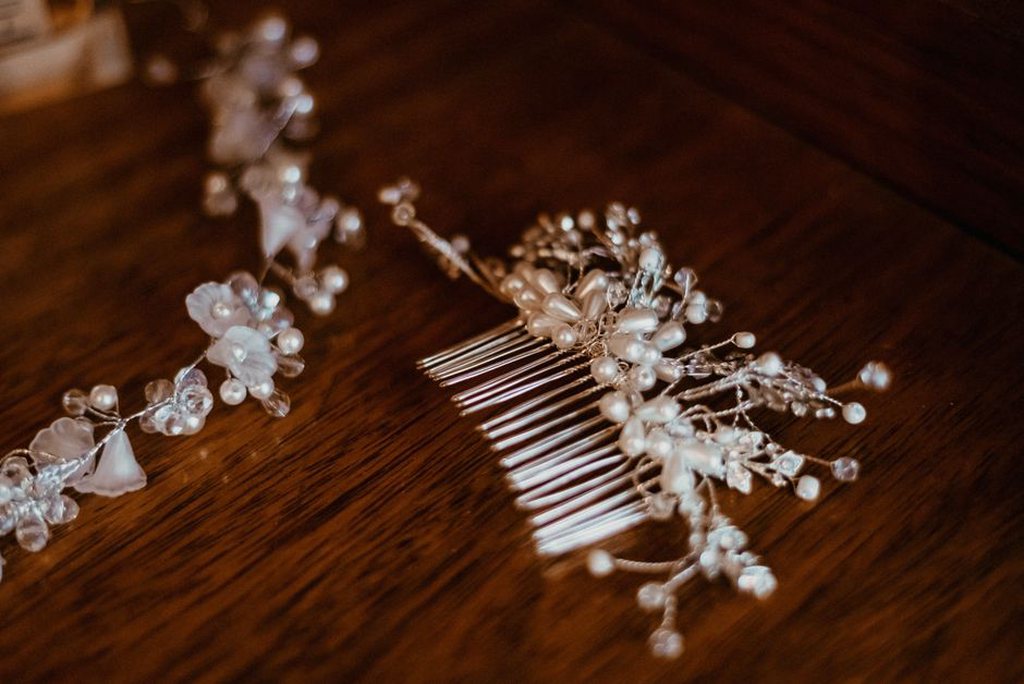
The week before Christmas, my local antiques market in Bath had a single stall that smelled of cedarwood and old velvet. Among the mismatched silver spoons and yellowed lace doilies lay a tortoiseshell hair comb so fine it could have belonged to a Victorian bride. The dealer asked for twelve pounds. I handed over a twenty and told her to keep the change. That comb now lives on my dressing table, and every time I reach for it, I remember the quiet thrill of finding something beautiful that nobody else had noticed. For collectors of vintage hair accessories, December is not just about mince pies and carols — it is the month when the best treasures emerge from estate sales, charity shops, and the back drawers of grandmothers who finally decide to let go. This article is a practical guide to what we truly want for Christmas: authentic, wearable pieces of British hair history, chosen with care and worn with joy.
What Makes a Christmas-Worthy Vintage Hair Accessory
Not every old hair clip deserves a spot under the tree. The pieces that truly matter share three qualities: provenance, condition, and a story that fits the festive season. Provenance does not always mean a documented lineage — it can be as simple as knowing the accessory was made in Birmingham’s Jewellery Quarter in the 1920s, or that the filigree work matches a specific Edwardian pattern book. Condition, however, is non-negotiable. A bakelite barrette from the 1930s with a hairline crack will only break further; a celluloid comb with missing teeth is a sorrow, not a treasure. The story factor is personal. Perhaps the accessory belonged to a woman who wore it to a New Year’s Eve ball in 1947, or it was a gift between sisters in 1962. That narrative turns an object into an heirloom.
Three Categories to Look For This December
- Georgian and Victorian slide combs — Often carved from horn or tortoiseshell, these pieces feature intricate hand-engraved patterns. The best examples retain their original patina and show no signs of repair. A single slide comb from 1820 can anchor an entire updo for a Christmas party.
- 1930s bakelite and casein clips — The Art Deco era produced some of the most sculptural hair accessories ever made. Look for geometric shapes, marbled amber tones, and clips that still snap shut with a satisfying click. Cracked bakelite is a dealbreaker; minor surface wear is acceptable.
- 1950s and 1960s enamel and rhinestone pieces — Post-war optimism translated into bright colours and sparkle. A Christmas wreath-shaped clip in green and red enamel, or a gold-toned comb with clear rhinestones, captures the festive spirit without looking cheap. Make sure the stones are original and the metal has not turned green.
For a deeper dive into the emotional side of collecting, our archive on All the Love in the World: Collecting Vintage Hair Accessories with Heart explores how provenance and personal connection transform ordinary finds into lifelong companions.
Where to Scout for Christmas Treasures
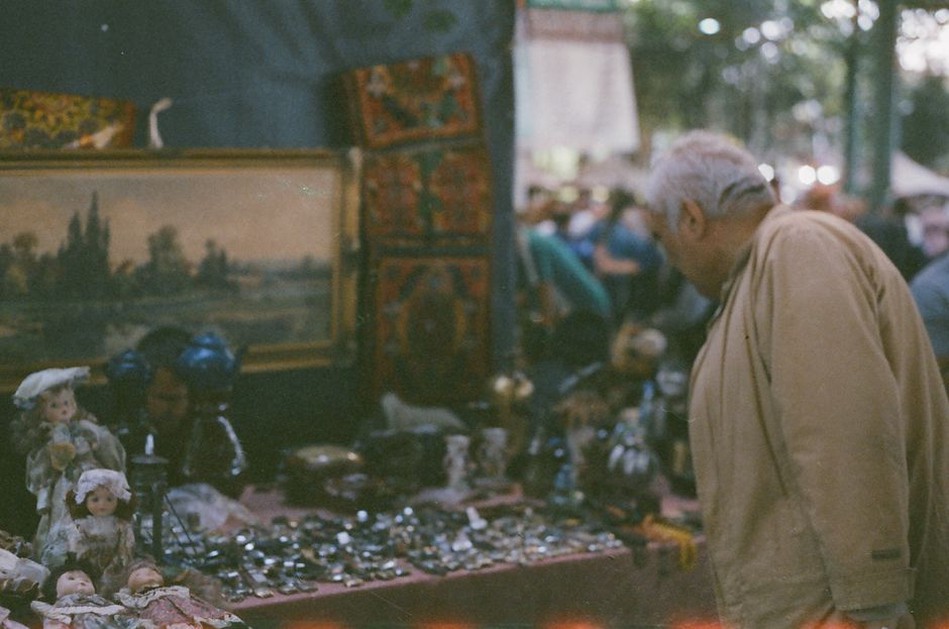
British readers have an advantage: our country is dense with small museums, charity shops, and antique fairs that hold hidden hair-accessory hoards. The key is timing. Mid-December is when many private sellers clear out attics before the new year. Fairs in rural towns — think Devizes, Ludlow, or Saffron Walden — often have older stock that has not been picked over by London dealers. Charity shops in affluent areas near retirement communities are gold mines for 1950s and 1960s pieces; widows downsizing often donate entire dressing-table collections. Online auctions on sites like eBay UK or The Saleroom can yield results if you search for specific terms: “Victorian hair comb,” “bakelite hair clip,” “celluloid hair ornament,” and “vintage hair slide” are good starting points. Always ask for close-up photos of the back and the fastening mechanism — that is where hidden damage lives.
Festive Styling: How to Wear Vintage Hair Accessories Today
A Victorian slide comb looks entirely natural in a modern low bun. An Art Deco clip can secure a side-swept 2023-style curtain fringe. The trick is contrast: pair an ornate vintage piece with a simple, clean outfit. A chunky 1960s enamel barrette set against a minimalist grey dress feels intentional, not costume-like. For Christmas Day itself, consider a 1950s rhinestone comb tucked into a half-up style — it catches the candlelight beautifully and does not compete with wrapping paper or tinsel. If your hair is short, a small bakelite slide worn above the ear adds a sculptural element without bulk. The most elegant approach is always restraint: one standout piece, not three. Let the accessory be the conversation starter.
Into the Edwardian Archive for Inspiration
If you need a refresher on the technical mastery behind these objects, revisit The Gilded Pin: Lessons from the February 2017 Edwardian Hair Accessory Archive. That collection’s focus on filigree and hand-painted enamel explains why Edwardian pieces remain so sought-after: the craftsmanship was at its peak just before mass production changed everything. For a Christmas wish list, an Edwardian gold-filled hairpin with a single pearl is a genuine holy grail.
Caring for Your Christmas Vintage Haul
Vintage hair accessories require gentle handling. Bakelite and celluloid are sensitive to heat and direct sunlight; store them in a cool, dark drawer lined with acid-free tissue. Tortoiseshell (genuine or faux) can become brittle in dry air — a small humidifier in the storage room helps. Never soak a vintage comb or clip in water. Instead, clean them with a dry or slightly damp cotton bud, focusing on crevices where old hairspray or dust accumulates. For metal parts, a soft jewellery cloth removes tarnish without scratching. If a clip loses its spring tension, a jeweller can often replace the metal spring without damaging the decorative face. Always test any cleaning method on an inconspicuous area first — even a gentle polish can remove patina that took decades to develop.
Gifting Vintage Hair Accessories: Etiquette and Pleasure
Giving a vintage hair accessory as a Christmas present is an act of trust. The recipient must understand that the piece is not new, and that its beauty includes small signs of age — a slight scratch, a subtle colour shift. The best way to present such a gift is with its story. Write a short note on card stock: where you found it, what era it comes from, and why you thought of the person. That note doubles the value of the object. For a friend who loves the 1940s, a bakelite arrow clip with a known British maker’s mark is a thrill. For a niece who admires vintage aesthetics but never shops second-hand, a delicate 1960s tortoiseshell comb opens a door to a new world. Wrap the piece in unbleached muslin or tissue paper, not plastic — the presentation should match the ethos of the gift.
The comb I bought in Bath now sits on a small felt tray next to my Christmas stocking. I have worn it to three holiday gatherings already, and at each one, someone asked where I found it. That moment — the pause, the touch, the question — is the real gift. Vintage hair accessories remind us that fashion does not have to be fast, and that beauty made by hand decades ago still has a place in our lives. This Christmas, give or receive something that carries a past and invites a future. That is all any of us really want.