
El Poncho 1: The Definitive Guide to the 1970s Resin Hair Comb
The name "El Poncho" evokes a certain romance of the 1970s — a decade when British fashion embraced bold geometric patterns, earthy resins, and a sense of playful rebellion against the formality of earlier decades. Among collectors of vintage hair accessories, the El Poncho range stands as one of the most distinctive and sought-after lines of resin hair combs produced in the United Kingdom during that period. Yet the designation "Products El Poncho 1" remains a source of confusion for many enthusiasts. Is it a model number, a colourway code, or a production batch identifier? This article pieces together the clues left behind in vintage catalogues, trade labels, and the combs themselves to offer a clear picture of what "El Poncho 1" actually means — and why it matters for your collection.
Decoding the El Poncho System
The El Poncho line was manufactured by a small British company active in the West Midlands during the late 1960s through the mid-1970s. Unlike the larger houses such as Clemie or Tortoiseshell imports from Italy, El Poncho produced limited runs of resin combs, often in small batches with distinctive colour variations. The numbering system — El Poncho 1, 2, 3, and so forth — referred to specific colour recipes rather than comb shapes or sizes. This is a crucial distinction. A single comb silhouette could be produced in multiple numbered versions, meaning that "Products El Poncho 1" describes a particular colour formulation applied to one or more comb models.
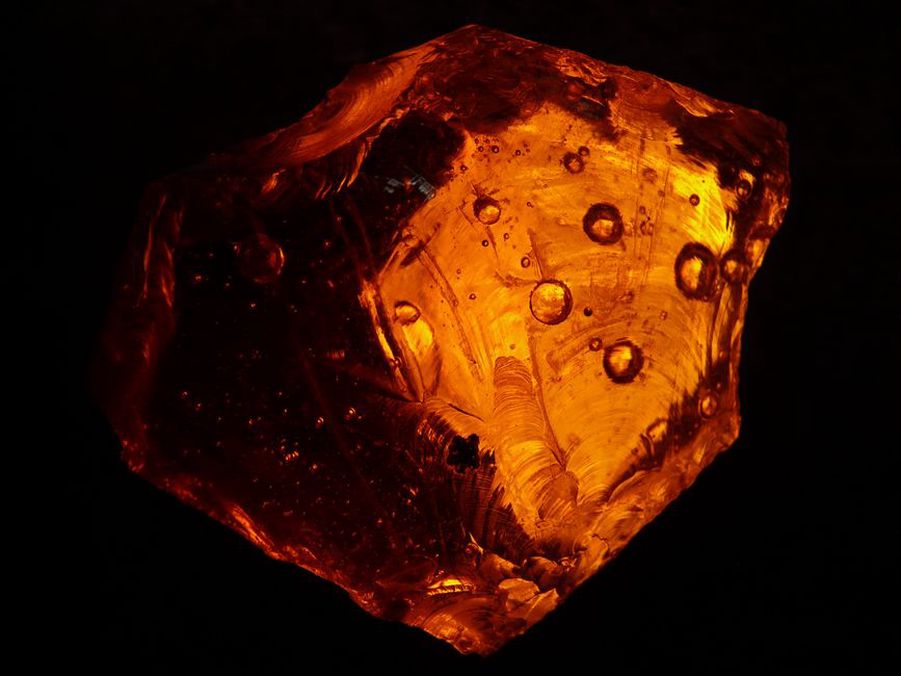
Based on surviving examples, El Poncho 1 corresponds to a warm tortoiseshell-amber base with subtle streaks of deep brown and a faint greenish undertone that catches light in a way that pure amber does not. The effect is reminiscent of aged cognac held up to sunlight. This colour was achieved by blending cellulose acetate with specific pigments that have since become unavailable due to changes in manufacturing regulations. The result is a depth and translucency that modern reproductions struggle to replicate.
Identifying an Authentic El Poncho 1 Comb
When examining a potential El Poncho 1 find, look for three telltale markers. First, the reverse side of the comb should bear an embossed or stamped mark: either a small "El Poncho" in serif letters or, on earlier pieces, a tiny "EP" monogram inside an oval. Second, the colour should not be uniform. Authentic El Poncho 1 exhibits a marbled effect where the darker brown veins flow organically through the amber base, never repeating in a mechanical pattern. Third, the comb teeth should have a slight flexibility — cellulose acetate has a characteristic springiness that rigid acrylic copies lack.
Beware of combs that feel too lightweight or have a distinctly plastic smell when warmed slightly in your hand. Genuine El Poncho resin has a faint, neutral odour that fades quickly. The thickness of the comb back is also a clue: El Poncho 1 combs typically measure between 4 and 5 millimetres at the spine, tapering gracefully toward the teeth. This dimension was consistent across the line, regardless of the specific model number.
The Comb Shapes That Carried El Poncho 1
While the colour recipe defines El Poncho 1, the comb shapes themselves varied. The most common silhouette found in this colourway is the "Spanish backcomb" — a wide, gently curved comb approximately 12 centimetres across, designed to sit atop a half-up hairstyle or to secure a chignon. The name "El Poncho" likely references this Spanish-inspired shape, which was fashionable in Britain after the 1964 film Becket and the subsequent revival of Iberian motifs in accessories.
Less frequently, El Poncho 1 appears on smaller "side combs" measuring 6 to 8 centimetres, intended to be worn in pairs on either side of a centre parting. These side combs often feature a scalloped top edge rather than a straight spine, adding a decorative element that complements the marbled colour. A third variant, extremely rare, is the "mantilla comb" — a tall, upright comb with a pronounced curve, meant to be worn at the crown of the head. Only a handful of mantilla combs in El Poncho 1 have been documented in private collections, making them a true prize for the dedicated seeker.
Materials and Craftsmanship
The El Poncho line was manufactured using cellulose acetate, a material prized in the mid-20th century for its ability to mimic natural tortoiseshell without the ethical and legal complications of using actual shell. Cellulose acetate is derived from wood pulp and cotton linters, making it a plant-based plastic — a fact that resonates with today's conscious consumers who seek vintage alternatives to petroleum-based synthetics. The production process involved layering coloured sheets of acetate, then heating and pressing them together to create the marbled effect. Each comb was then cut, shaped, and polished by hand.
The durability of these combs is remarkable. Many El Poncho 1 pieces from the early 1970s remain in excellent condition today, provided they have been stored away from direct sunlight and extreme heat. The material can become brittle if exposed to prolonged UV radiation, causing the amber tones to darken unevenly or the surface to develop fine cracks. Proper care — storing in a fabric pouch or a box lined with acid-free tissue — preserves both the structural integrity and the luminous colour that collectors prize.
Styling El Poncho 1 with a Contemporary Wardrobe
Integrating a 1970s resin comb into a modern outfit is surprisingly straightforward. The warm amber tones of El Poncho 1 complement earth-toned clothing — olive, rust, mustard, and cream — that has cycled back into fashion with the enduring popularity of vintage-inspired silhouettes. For a daytime look, slide a Spanish backcomb into a low, loose bun at the nape of the neck, allowing a few face-framing strands to fall naturally. The comb becomes both a functional tool and a statement piece, drawing the eye without overwhelming the ensemble.
For evening wear, consider pairing a pair of El Poncho 1 side combs with a sleek, centre-parted low ponytail. The marbled amber catches candlelight and soft electric light beautifully, adding a touch of warmth to cooler-toned fabrics like navy or charcoal. If you own a mantilla comb, it works spectacularly as a crown accent for updos at weddings or formal dinners, especially when the hair is twisted into a voluminous French roll. The key is to let the comb speak for itself — avoid competing with large earrings or heavy necklaces. Let the hair accessory be the focal point.
Care and Maintenance for Longevity
Cleaning an El Poncho 1 comb requires gentleness. Use a soft, lint-free cloth slightly dampened with lukewarm water — never soak the comb or submerge it, as moisture can seep into the resin and cause clouding. For residue from hair products, a tiny drop of mild soap on the cloth is sufficient; rinse the cloth and wipe again to remove any soap trace. Dry immediately with a separate soft cloth. Avoid alcohol-based cleaners, acetone, and ultrasonic jewellery cleaners, all of which can damage the surface or dissolve the acetate over time.
If your comb develops a slight haze or dullness, a very light application of mineral oil — one drop rubbed between your fingers and then smoothed over the surface — can restore some of its original lustre. Wipe off any excess after a few minutes. This treatment should be done no more than once a year, as over-oiling can attract dust and alter the colour balance. Store the comb flat, never resting on its teeth, to prevent warping. A dedicated compartment in a jewellery box or a small padded case works perfectly.

Where to Look for El Poncho 1 Today
Because the El Poncho line was produced in relatively small quantities, finding a comb in the "1" colourway requires patience and a good eye. British charity shops in affluent areas, particularly those in the Home Counties and the Cotswolds, occasionally yield these pieces among donations from estate clearances. Online marketplaces such as Etsy and eBay can be fruitful, but competition is fierce, and prices have risen steadily over the past five years. A Spanish backcomb in good condition typically sells for £30 to £60, while a pair of side combs in matching colour may reach £80 or more. The rare mantilla comb, when it appears, can command upwards of £120.
When buying online, always request a photograph of the maker's mark and a clear image of the comb held against a light source to verify the marbling pattern. Sellers who cannot provide these details may be offering later reproductions or misidentified pieces. Building a relationship with a trusted vintage dealer — one who understands the nuances of British resin accessories — can be invaluable. Many such dealers attend vintage fairs in London, Brighton, and Bath, where you can examine pieces in person before purchasing.
For collectors who wish to deepen their knowledge of colour variations within the broader vintage hair accessory landscape, the Catarina Colours 3: A Collector’s Guide to Three Vintage Hair Accessory Hues offers a detailed look at how specific colourways define the desirability and rarity of certain pieces. Understanding these colour systems enhances your ability to spot authentic El Poncho items and appreciate the craftsmanship behind them.
A Final Note on the El Poncho Legacy
The El Poncho 1 comb represents a moment in British accessory design when material innovation met cultural curiosity. The Spanish-inspired shapes, the plant-based resin, the hand-finished details — all speak to a industry that valued artistry over mass production. Today, these combs are not merely functional objects but artefacts of a particular aesthetic philosophy. Whether you wear one as a daily accent or keep it as a study piece, the El Poncho 1 rewards those who take the time to understand its origins. The next time you come across a warm amber comb with that distinctive marbled depth, you will know exactly what you are holding — and why it deserves a place in your collection.