
The Gilded Pin: Lessons from the February 2017 Edwardian Hair Accessory Archive
Open the February 2017 archive of The Gilded Pin, and you’re met with rows of tortoiseshell-effect celluloid slides, silver-plated hair combs studded with paste stones, and velvet-covered French clips. That month, the editorial team had clearly spent weekends working the Portobello Road stalls and the smaller flea markets of Suffolk, pulling out pieces whose craftsmanship spoke of an era before mass production smoothed every contour. British vintage enthusiasts were turning away from the brash plastics of the 1980s and toward the delicate filigree of the Edwardian and early Victorian periods. The mid-winter archive captured that precise shift.
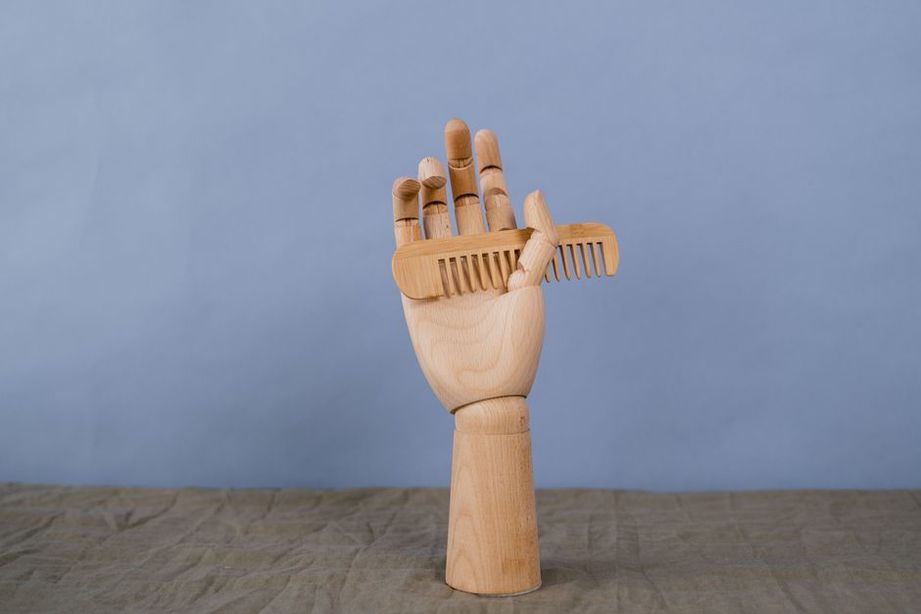
The consistency of material is what makes that particular archive so instructive. Nearly every piece featured either natural horn or early synthetic horn (celluloid), silver or silver plate, and a restrained palette of ivory, jet-black, and deep maroon. The collectors who wrote in that February weren’t chasing novelty; they were hunting for the perfect example of a specific Edwardian form: the long, gently curved dress comb meant to sit atop a Gibson Girl–style pouf. One reader described finding a seven-inch example carved from a single piece of brown horn, its tines still supple after more than a century. That comb became a case study for the entire month’s approach — an object that needed no restoration, only respectful cleaning and a new velvet-lined drawer.
Techniques That Defined the Archive
The February 2017 entries shared a practical focus on cleaning methods appropriate for period materials. Horn and celluloid weep moisture and flex when exposed to heat, so the recommended cleaning protocol skipped warm water entirely. Instead, readers were encouraged to use a soft, slightly dampened cotton cloth, followed immediately by a dry microfiber buff. For silver fittings — often the weak point on an otherwise intact comb — a professional silver cloth without chemical polish was advised, because abrasive pastes wear away the fine hallmarks that authenticate an Edwardian piece.
The Silver Inlay Problem
One of the longer posts dissected the issue of silver inlay on Victorian hair ornaments. Many so-called ‘silver’ combs from the 1860s to 1880s were actually brass with a thin electroplated layer. The archive noted a telltale sign: if the silver wears away around the tines but remains intact on the decorative top, the piece is almost certainly plated. Genuine sterling combs from that period were either entirely cast in silver or stamped from sheet silver, and they wear evenly across the whole surface. That distinction matters enormously for valuation and for how you store the piece. Plated items need anti-tarnish strips in their storage box; sterling can be stored in a dry, dark drawer with no special paper.
Gilded Hairpins and the Revival of Edwardian Silhouettes
Among the smaller accessories that month, a set of four gilded hairpins from the 1910s stood out. Each pin was topped with a tiny enamel forget-me-not, and the archive showed them arranged in a sunburst pattern that echoed the later 1920s cloche style. The accompanying commentary explained that these pins were originally sold in boxes of six, intended to be inserted at precise angles to secure a large Edwardian knot. The post included a diagram showing three vertical positions — at the crown, at the nape, and as a side accent — which became a popular reference for readers adapting the look for modern buns and chignons.
How the Archive Addressed Modern Styling
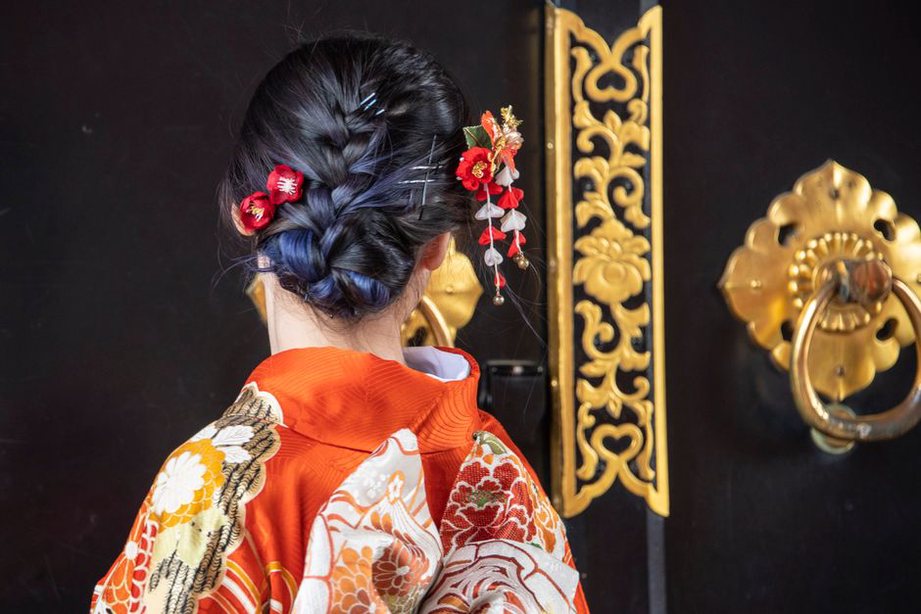
February 2017 offered a rare bridge between historical accuracy and everyday wear. One article demonstrated the transformation of a plain midi dress into an Edwardian-inspired outfit using only a single large black velvet bow clipped behind the right ear. The bow itself was a 1950s reproduction, but the silhouette it created — a soft asymmetry with the hair swept to the left — was pure 1905. The archive stressed that vintage hair accessories do not demand a full period costume. A single tortoiseshell slide worn on a sleek low ponytail reads as elegant rather than theatrical, provided the accessory is clean, not corroded, and the hair is well brushed.
Practical Pairings from the Comments
- Celluloid hair combs with a cashmere turtleneck and straight-leg trousers — the warmth of the horn texture offsets the minimalist knitwear.
- Silver dress combs used as decorative hair pins on a messy side-braid for afternoon tea.
- Velvet French clips (1890s revival) worn at the crown to anchor a half-up style, paired with a plain white blouse and dark denim.
- Gilded hairpins inserted in a cluster on the left side of a low chignon for a winter wedding guest look.
Caring for the Archive’s Favourite Materials
The February entries were rigorous about storage. Horn and celluloid must be kept away from artificial light and central heating vents, because both materials can warp or discolour when the humidity drops below 40%. The archive recommended a dedicated compartment in a wooden jewellery box lined with pH-neutral felt — never oak or cedar, whose tannins react with the metal components. For the gilded items, a simple recommendation stood out: wrap each pin in acid-free tissue paper and store them flat, never bunched in a jar. Tumbling against each other chips the enamel and scratches the gold leaf.
One post specifically addressed the myth that antique hair accessories should never be worn, only displayed. The author argued persuasively that many Edwardian combs were designed for daily use and that careful, occasional wearing actually keeps the metals polished and the celluloid supple. The key was rotation — never wear the same piece two days in a row, and always check the tines for cracks before inserting into the hair. A cracked tine can snag and break, which is far more damaging than the gentle friction of a single evening’s wear.
What the Archive Reveals About Collecting in 2017
Looking back at that February, it becomes clear that the British vintage community was in the middle of a subtle but meaningful shift. The market was moving away from the novelty of quantity and toward the discipline of quality. Readers were no longer interested in buying five mediocre plastic slides for the price of one good horn comb. They wanted pieces that could be dated within a decade, that showed a clear lineage of manufacture, and that could be passed on. That ethos aligns closely with the more recent push toward conscious fashion — buying fewer items, choosing well, and treating each acquisition as a responsibility rather than a transient trend.
If you are building your own collection today, the February 2017 archive remains a practical reference. Those pages documented the exact specifications for cleaning a silver-plated Victorian comb, the storage requirements for horn vs. celluloid, and the historical context that makes a particular silhouette worth seeking out. The same principles apply now: inspect every tine, learn to recognise electroplate from sterling, and never force a comb into a style it was not designed for. The Edwardian woman who first wore that horn dress comb knew exactly how to place it; the modern collector who learns that placement honours the object’s original purpose.
For those who wish to structure their own collection with the same care, the blog’s Archiving Vintage Hair Accessories: A Practical HTML Guide for Collectors offers a digital method for cataloguing each piece by material, date range, and condition note. And if you prefer a more tangible approach, the Build a Vintage Collection Page with Simple HTML: No Code Needed guide shows how to create a simple visual inventory that you can update each season. Both resources were born from the kind of meticulousness that February 2017 represented — an archive that valued substance over flash, and a community that kept its eyes on the details that matter.