
How to Spot a Faithful 1970s Maxi Dress Copy (and Style It with Vintage Hair Accessories)
Pick up a faithful reproduction of a 1970s maxi dress, and the first thing you notice is the weight of the fabric. Original dresses from that decade used polyester double-knit, challis, or crepe de chine – a good copy honors that drape. The version known as "70s Maxi Dress 3" in vintage reproduction circles stands out for its high empire seam that drops into a full, floor-length skirt, often cut on the bias to skim the body without clinging. Knowing what makes that cut authentic helps you spot a faithful copy from a modern reinterpretation that misses the mark.
What Defines a Faithful 70s Maxi Dress Copy
The 1970s maxi dress was a reaction against the miniskirt. It brought length, movement, and a sense of easy elegance. A reproduction that aims to capture the original spirit should include:
- Bias-cut or semi-bias skirt panels — these allow the hem to ripple as you walk, a hallmark of 70s evening and day dresses alike.
- Soft, natural-fibre blends — cotton voile, rayon challis, or a lightweight Tencel that mimics the hand of vintage polyester without the static.
- Deep armholes — a common detail in 70s patterns that gives the dress a relaxed, almost languid silhouette.
- Functional buttons or a back zip — many originals used long rows of tiny self-covered buttons, though a concealed zip is an acceptable modern concession.
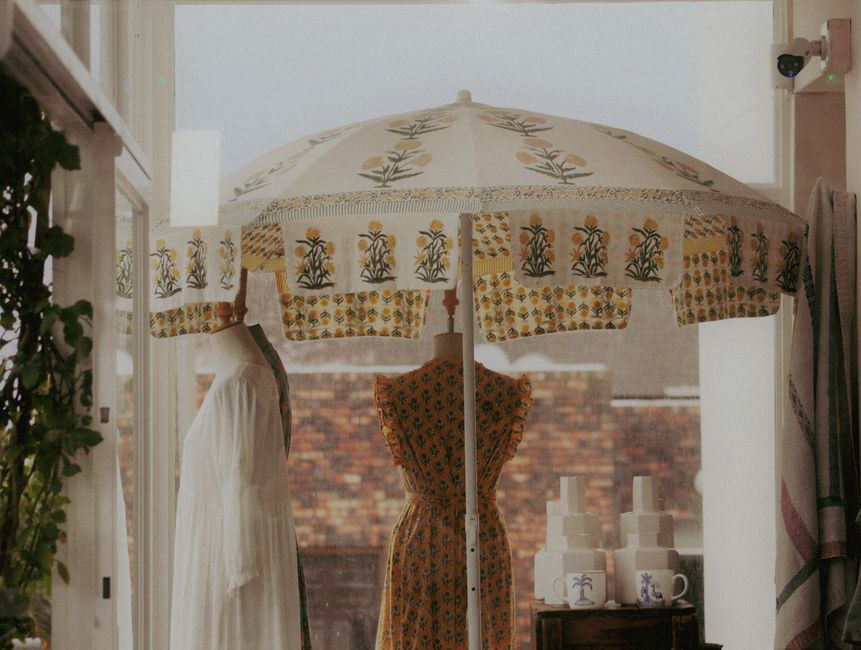
- Prints that reference the era — small floral repeats, geometric paisleys, or abstract swirls in earthy tones like rust, mustard, olive, and aubergine.
If the dress you are considering has a stiff lining, a fitted bodice with princess seams, or a print that looks digitally sharp rather than screen-printed, it is likely a contemporary dress with 70s-inspired details rather than a true copy of the original construction.
Materials That Matter: Choosing the Right Fabric
The feel of the fabric against your fingertips is the quickest test. A genuine 70s maxi dress copy should not feel slippery like modern satin nor stiff like a cotton bedsheet. Look for descriptions that mention "crinkle" or "slub" texture — these indicate a natural fibre that will soften with wear. Rayon challis is a favourite among vintage reproduction enthusiasts because it takes dye beautifully and moves like liquid. Avoid anything labelled "polyester satin" unless the dress is meant for evening; day dresses were almost never glossy.
For colder months, a wool challis or a brushed cotton flannel maxi dress copy exists, though they are rarer. The key is to check the weight: a 70s maxi should feel substantial enough to hold its shape when hanging, but light enough that the skirt sways when you turn.
Pairing the 70s Maxi Dress Copy with Vintage Hair Accessories
This is where the dress meets the true heart of this magazine. A floor-length 70s dress calls for hair accessories that echo the same relaxed elegance. The loose, flowing lines of the dress are best complemented by a hair piece that adds structure without competing. Consider a tortoiseshell hair claw swept into a low chignon at the nape of the neck — it keeps the silhouette clean and lets the dress print do the talking. For a more playful daytime look, a single Arizona Bow Barrette in Lilac clipped at the temple softens the face and picks up any purple or blue tones in the floral pattern.
If the dress has a high neckline or a collar, skip elaborate updos. Instead, let your hair fall loose and use a pair of small Asta Flower Hair Clips in tortoiseshell or bright red to pin back one side. This asymmetry is very 1974 — think of the way models in British Vogue wore their hair with long, floaty dresses. The contrast between a structured hair clip and the fluid fabric creates a balanced, intentional look.
How to Care for Your Vintage Reproduction Dress
Because many of these copies are made from delicate natural fibres, washing them incorrectly can ruin the drape permanently. Always turn the dress inside out before washing. Use a gentle, pH-neutral detergent designed for delicates. If the dress has a printed pattern, wash in cold water and hang to dry away from direct sunlight — UV rays will fade the colours unevenly, especially the ochres and burnt oranges so typical of the 70s palette.
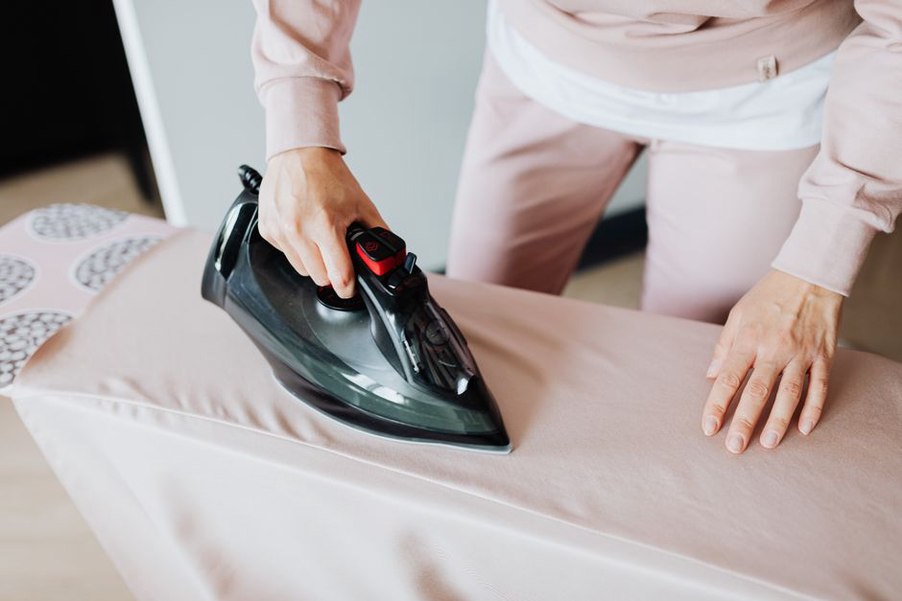
Ironing is another area where mistakes happen. Set your iron to the correct temperature for the fabric (rayon requires a medium heat, cotton voile high). Use a press cloth to avoid shine marks. For bias-cut skirts, never iron directly over the hemline; instead, steam the skirt while it hangs and let the weight of the fabric pull out the wrinkles. This preserves the gentle flare of the hem.
Spotting a Good Copy vs. a Costume Piece
The market for 70s maxi dress copies has grown, and not all are created equal. A true reproduction respects the original pattern drafting. Look at the shoulder seams: in a proper copy, they sit at the natural shoulder line, not dropped or padded. Check the hem — it should be narrow (a rolled hem or a 1 cm machine hem) because 70s dresses rarely had deep hems. The waistline, if there is one, should hit at your natural waist or just below the bust for the empire style. A dress that has a defined waist at the hip is a 90s take on the 70s, not a copy.
Also examine the buttonholes. Inexpensive reproductions often use machine-stitched buttonholes that look uniform and plastic. Originals and good copies will have hand-finished buttonholes or at least a thread bar tack at the end. These small details separate a dress you will wear for years from one that will unravel after a few washes.
Styling the 70s Maxi Dress Copy for Modern Life
The beauty of this silhouette is its adaptability. For a day at the market, pair the dress with flat leather sandals and a straw basket bag. Add a wide-brimmed hat if the sun is strong, and let your hair hang loose with a single butterfly clip at the back. For an evening event, switch to heeled espadrilles or block-heel mules, and gather your hair into a low twist secured with a Buttercups Midi Colors 10 claw clip in a neutral shade. The dress itself becomes the canvas; the hair accessory is the signature.
Layering is another option. A fitted turtleneck worn under a sleeveless 70s maxi dress copy extends its wear into autumn. Keep the hair simple — a sleek ponytail or a braided crown — so the layered look doesn't become overwhelming. The key is to let the dress's proportions remain visible; bulky hair accessories can break the vertical line that makes the maxi so flattering.
One final practical note: always try on the dress with the shoes you plan to wear. The hem of a 70s maxi should just brush the floor when you are barefoot, and hover about 1–2 cm above the ground when you are in heels. A dress that puddles on the floor will look sloppy and will catch dirt. If the copy is too long, take it to a tailor who understands bias-cut hems — a straight cut will ruin the hang.
Once you've got your 70s maxi dress copy, consider the shoes first. The hem should brush the floor barefoot and hover an inch above the ground in heels. A tailor who knows bias-cut hems can adjust the length without ruining the drape. That small investment makes the difference between a dress that hangs and one that drags.