
The 70s Maxi Dress Revival: A Vintage Style Guide for Modern Wardrobes
When you slip your hand into the sleeve of a genuine 1970s maxi dress, the first thing you notice is the weight. Not a heavy, oppressive weight, but a deliberate, anchored drape that modern polyester blends rarely achieve. The fabric—often a crepe-backed satin, a challis print, or a crisp cotton voile—falls in a single, unbroken line from shoulder to ankle. This is not a dress that demands you stand a certain way. It asks you to move, to walk through a room with the hem brushing the floor, to let the fabric speak for itself.
For the vintage enthusiast in Britain, the 1970s maxi dress represents a peculiar paradox: it is both ubiquitous in charity shops and surprisingly difficult to get right. The silhouette is simple—a long, often A-line or empire-waist column—but the details are everything. The wrong sleeve length, an awkward shoulder seam, or a synthetic fabric that clings rather than floats can turn a potential treasure into a frustrated hanger queen. Let us look at what makes a genuine 70s maxi dress sing, how to identify the best examples, and how to wear them today without looking like you are attending a fancy-dress party.
What Exactly Is a 1970s Maxi Dress?
The maxi dress as we know it emerged from the late 1960s counterculture, but it reached its definitive form in the early to mid-1970s. The key distinction from a modern maxi dress is the cut. A 70s original typically has a higher natural waist—often an empire line that sits just below the bust—or a dropped waist that hangs loosely on the hips. The skirt is not fitted through the hip; it flares gently from the waist, allowing the fabric to fall in soft folds. Sleeves range from cap sleeves and short puff sleeves to full-length bishop sleeves with elasticated cuffs. Necklines vary, but the most common are the round scoop neck, the V-neck, and the square neckline, often finished with a self-fabric binding or a narrow lace trim.
Prints are where the 70s maxi dress truly distinguishes itself. Look for large-scale floral patterns, paisley, geometric abstracts, and what the British textile industry called “furnishing prints”—designs originally intended for curtains or upholstery but scaled down for clothing. These prints are not shy. They take up visual space. A genuine 70s maxi dress in a bold poppy print or a swirling Art Nouveau-inspired pattern announces itself without apology.
Fabrics That Matter
Fabric is the single most important factor in determining whether a 70s maxi dress will work in a modern wardrobe. The best examples are made from natural or semi-natural fibres that breathe and move with the body. Cotton voile, rayon challis, and silk crepe de chine are the holy trinity. Cotton voile is lightweight, slightly sheer, and ideal for summer. Rayon challis drapes beautifully and takes dye exceptionally well, which is why so many 70s prints appear on it. Silk crepe de chine is the luxury option—expensive then, expensive now, and worth every penny for its fluid movement.
Avoid anything that feels stiff, plasticky, or has a high percentage of nylon or polyester in the weave. There are exceptions: some 70s dresses used a polyester-cotton blend that has aged surprisingly well, but these are rare. If the fabric rustles when you move, put it back. A proper 70s maxi dress should whisper, not crackle.
How to Spot a Good Vintage Example
When you are browsing a vintage fair or a charity shop in London, Brighton, or Edinburgh, there are a few tell-tale signs that a dress is a genuine 70s original rather than a later reproduction. First, check the zipper. A metal zipper with a small pull tab, or a plastic zipper with wide teeth, is a strong indicator of the period. Second, look at the seam finishes. French seams or bound seams with bias tape are common in higher-quality garments. Third, examine the hem. Many 70s maxi dresses have a deep hem—sometimes as much as four inches—because the fabric was cut generously and the hem was turned up by hand or machine. If the hem is narrow and machine-stitched with a straight stitch, it may be a later alteration or a reproduction.
Labels are another clue. British brands like Biba, Laura Ashley, Ossie Clark, and Jean Muir produced maxi dresses that are now highly collectible, but many excellent examples were made by smaller manufacturers or even home-sewn. The absence of a label does not disqualify a dress; sometimes the best finds are unlabelled, made by a skilled dressmaker who understood cut and drape.
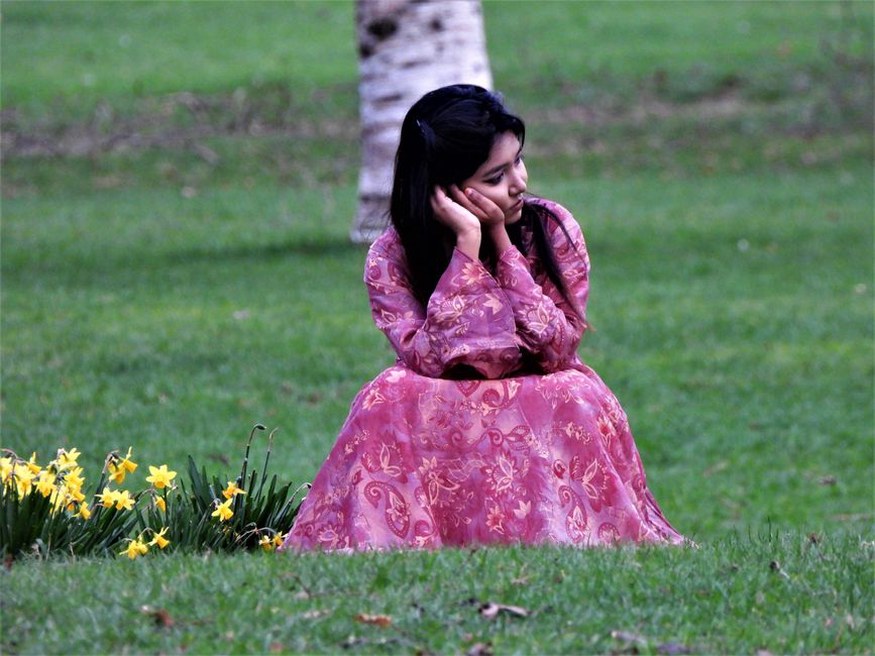
Pairing Vintage Hair Accessories with a Maxi Dress
One of the great pleasures of wearing a 70s maxi dress is the opportunity to complete the look with period-appropriate hair accessories. The long, flowing lines of the dress call for hair that is either loose and natural or swept up in a soft, undone style. This is where a well-chosen vintage hair clip or comb can transform an outfit from simple to intentional.
For a daytime look, consider a tortoiseshell hair claw or a wide plastic barrette in a single colour—amber, cream, or dark brown. These sit beautifully at the nape of the neck, holding a low ponytail or a half-up twist. For evening, a decorative comb with a cluster of faux pearls or a delicate metal filigree piece adds a touch of glamour without competing with the dress. The key is restraint: the maxi dress is already a statement, so the hair accessory should complement, not overwhelm.
If you are fortunate enough to own a blue maxi dress from the 1970s—perhaps in a deep navy or a soft cornflower blue—you have a particularly versatile piece. Blue works beautifully with silver-toned hair accessories, clear lucite clips, or a simple black velvet headband. For more ideas on how to style a blue maxi dress with vintage hair pieces, our guide on Pairing Vintage Hair Accessories with a Blue Maxi Dress offers practical suggestions for different occasions.
The Modern Silhouette: How to Wear a 70s Maxi Dress Today
The greatest challenge of wearing a vintage 70s maxi dress in 2025 is not the style—it is the proportions. The original dresses were designed for a different body ideal, one that often included a longer torso and a narrower shoulder line. A modern woman may find that the bodice is too short, the armholes too tight, or the waist sits too high. These are fixable problems, but they require a careful approach.
Do not be afraid to have a dress altered. A good seamstress can lower a waistline, let out side seams, or add a panel of coordinating fabric to extend the bodice. If the dress is too long—and many 70s maxi dresses were made for women who wore heels or platforms—shortening the hem is straightforward. Keep the original hemline if possible; a good alterationist can reattach it after shortening, preserving the original finish.
For those who prefer not to alter the dress itself, styling choices can adjust the proportions. A wide fabric belt worn at your natural waist over the dress can create a more modern silhouette. Layering a cropped cardigan or a fitted blazer over the dress can also balance the volume of the skirt. Footwear matters too: flat sandals or low block heels keep the look grounded, while modern platform trainers can give the dress an unexpected, contemporary edge.
Where to Find Genuine 70s Maxi Dresses in the UK
Britain remains one of the best places in the world to find vintage 70s clothing, and the maxi dress is no exception. Charity shops in affluent areas—think Kensington, Hampstead, or the nicer parts of Bath and Oxford—occasionally yield excellent finds, especially from estates. Vintage fairs, such as the ones held regularly at Kensington Town Hall or the Birmingham Vintage Fair, are reliable sources. Online marketplaces like Depop and Vinted have made it easier to search specifically for 70s maxi dresses, but the quality can vary widely. Always ask for measurements, not just labelled size, and request photos of the label, the zipper, and the hem.
If you are new to vintage shopping, start with a simple dress in a neutral colour—a solid navy, a forest green, or a cream ground with a small floral print. These are easier to style and more forgiving of minor imperfections. Once you have built confidence, move on to the bold prints and the more dramatic silhouettes.
Caring for Your 70s Maxi Dress
Vintage fabrics require gentle care. Rayon challis and silk crepe de chine should be hand-washed in cold water with a mild detergent, or dry-cleaned if the fabric is particularly delicate. Cotton voile can be machine-washed on a gentle cycle, but turn the dress inside out and use a mesh laundry bag to protect the fabric. Never wring a vintage dress; instead, roll it in a clean towel to absorb excess water, then hang it to dry away from direct sunlight.
Store your maxi dress on a padded hanger, not a wire one, which can stretch the shoulders. If the dress has a metal zipper, keep it zipped to maintain the shape of the zipper tape. For long-term storage, use an acid-free garment bag and avoid plastic dry-cleaning bags, which trap moisture and can yellow the fabric over time.
Why the 70s Maxi Dress Endures
The 1970s maxi dress is not a passing trend; it is a garment that has earned its place in the wardrobe of anyone who values thoughtful design, quality fabric, and a silhouette that honours the body without constricting it. Whether you find a Biba original with its signature dark, moody prints, a Laura Ashley floral with its demure collar and long sleeves, or an unlabelled dress that fits as though it was made for you, you are wearing a piece of history that still has something to say.
For those who want to explore more about how to style 70s maxi dresses with vintage hair accessories, our dedicated style guide Maxi Dresses and Vintage Hair Accessories: A 1970s Style Guide walks through specific combinations for different dress colours and patterns. And if you are curious about the hair accessories that defined the decade, from tortoiseshell combs to velvet bows, the rest of this journal offers detailed profiles of individual pieces that can anchor your vintage look.
The next time you see a 70s maxi dress hanging in a charity shop, take a moment to examine it properly. Check the seams, feel the fabric, look at the print. If it passes those tests, try it on. You may find that the dress has been waiting for you.