
The Bertha Comb: Four Colours, One Edwardian Icon
Among the most intriguing artefacts of early twentieth-century hair adornment is the Bertha comb — a decorative hair accessory that appeared in precisely four colourways, each with its own material identity and cultural resonance. Unlike the mass-produced barrettes of later decades, the Bertha comb was made by small ateliers in London and Paris between 1905 and 1925, and its four colour variations were not merely aesthetic choices but deliberate responses to the fashion dictates of the era. Understanding these colours — tortoiseshell, jet black, pearl white, and silver — offers a richer understanding of how Edwardian women used hair accessories to signal taste, occasion, and even social standing.
What Exactly Is a Bertha Comb?
The Bertha comb takes its name from the wide, rounded shape that resembles the bertha collar popular in Victorian and Edwardian dress. Typically measuring between 8 and 12 centimetres across, it features a curved top edge with decorative cut-outs, filigree, or inlaid stones, and a set of long, sturdy teeth that anchor it securely into pinned-up hair. Unlike the smaller side combs used for simple hold, the Bertha comb was designed to sit prominently at the crown or nape, often as the centrepiece of an elaborate updo. Its silhouette is unmistakable: a sweeping arc that frames the head without overwhelming it.
What makes the Bertha comb especially collectable today is the disciplined palette in which it was produced. While other combs of the period appeared in a rainbow of celluloid colours, the Bertha was deliberately limited to four — a decision driven partly by material availability and partly by the desire to create a coherent ‘collection’ that a woman could build over time.
The Four Colours: Materials, Meanings, and Maintenance
Each of the four Bertha colours was achieved through a distinct material or finish, and each demands different care from the modern collector.
- Tortoiseshell — Genuine tortoiseshell (from the hawksbill sea turtle) was the original material for the earliest Bertha combs. Warm amber-brown with darker mottling, it was prized for its translucency and ability to be heated and reshaped. By the 1910s, celluloid imitations became common, but true tortoiseshell Bertha combs remain the holy grail for collectors. Care tip: Tortoiseshell is brittle; avoid heat and direct sunlight. Clean gently with a damp, soft cloth and never use alcohol.
- Jet Black — Jet, a fossilised wood from Whitby in Yorkshire, was polished to a deep, glassy black. It became fashionable during the prolonged mourning period after Queen Victoria’s death and remained popular for formal evening wear. Bertha combs in jet were often carved with floral or scroll motifs. Care tip: Jet can crack if stored in very dry conditions; maintain moderate humidity and store in a padded box.
- Pearl White — Not true pearl, but a composite of ground mother-of-pearl set in resin, or sometimes carved from actual pearl shell. The white Bertha comb was the daytime staple — crisp, clean, and perfect for garden parties and summer weddings. It often featured delicate silver or gold highlights. Care tip: The resin can yellow with age; keep away from perfumes and hairsprays. A gentle wipe with a microfiber cloth after each wear prevents buildup.
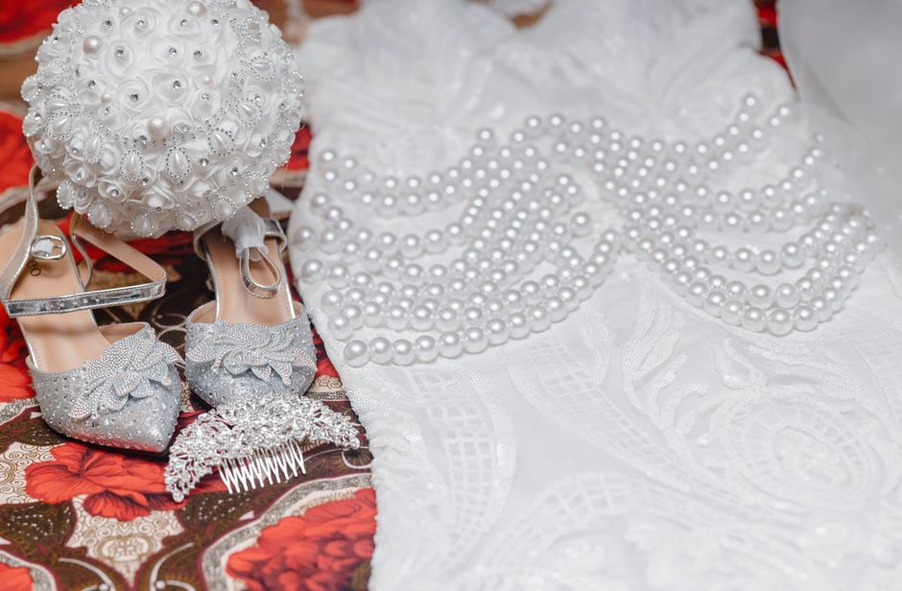
- Silver — Sterling silver or silver-plated Bertha combs were the most formal of the four. Often embellished with tiny paste stones or enamel work, they were reserved for evening events and balls. The silver colourway was also the rarest, as the metal required skilled silversmithing. Care tip: Silver tarnishes quickly. Polish with a specialised silver cloth, and store in anti-tarnish paper or a sealed bag.
Why Only Four? The Logic of a Capsule Collection
In an age before fast fashion, a woman’s accessory wardrobe was built slowly and intentionally. The Bertha comb’s four-colour system allowed her to own one comb in each shade and rotate them according to her outfit, the season, or the formality of the event. Tortoiseshell for autumn tweeds, jet for winter mourning or evening, pearl for spring and summer daywear, silver for galas and theatre nights. This capsule approach predates the modern minimalist wardrobe by a century and offers a lesson in thoughtful selection that resonates with today’s slow-fashion movement.
Collectors today often seek to complete the set of four, though finding all in matching condition and era is a challenge. For those who prefer a single piece, the pearl white Bertha comb is the most versatile and easiest to incorporate into a contemporary wardrobe.
Styling the Bertha Comb with Modern Clothing
The Bertha comb is surprisingly adaptable to modern looks, provided you honour its scale. Because it is large, it works best with hair that is at least shoulder-length and gathered into a low chignon, a side twist, or a French roll. The key is to let the comb be the focal point — keep other accessories minimal.
For a daytime outfit, pair a pearl white Bertha comb with a cream silk blouse and wide-leg trousers. The comb adds an Edwardian touch without looking costumey. For evening, a silver Bertha comb complements a black velvet dress or a modern jumpsuit with metallic accessories. The jet comb is ideal for winter — think a cashmere turtleneck and a well-cut wool coat. Tortoiseshell works beautifully with brown, olive, and rust tones, especially in autumn.
One practical consideration: Bertha combs were designed for hair that was set with pomades and pins. Modern hair products (especially silicone-heavy serums) can make the comb slip. Use a light texture spray or dry shampoo at the roots to give grip, and insert the comb at a slight angle so the teeth catch the hair securely.
Where to Find and How to Authenticate
Authentic Bertha combs appear at antiques fairs, estate sales, and online vintage marketplaces. Look for hallmarks on silver pieces, the warm translucency of real tortoiseshell (hold it up to light), and the characteristic cut-out patterns that are unique to the Bertha shape. Reproduction combs exist, but they often use lighter, cheaper materials and lack the fine detailing of the originals. For a deeper dive into identifying and transporting these fragile treasures, our collector’s guide for moving vintage accessories — The Velveteen Express — offers practical packing and insurance advice.
Caring for Your Bertha Comb
Regardless of colour, all Bertha combs share a few care rules. Store them flat in a lined box, never stacked, as the teeth can break under pressure. Avoid extreme temperature changes — a hot car or a cold attic will damage both shell and metal. Clean after each wear with a soft brush to remove hairspray residue and natural oils. If a comb becomes loose or a tooth cracks, consult a professional conservator who specialises in antique costume jewellery; DIY glue repairs often ruin the value.
One often-overlooked detail: the teeth of genuine Bertha combs are slightly tapered and polished smooth. If you run your finger along them, they should feel silky, not rough. Rough teeth indicate a later reproduction or a poorly restored original.
A Final Note on the Silver Bertha Comb
Of the four colourways, the silver Bertha comb is the most elusive and the most rewarding to find. One particularly fine example in the collection of the Victoria and Albert Museum (not on public display) features a hand-engraved pattern of honeysuckle and has a small maker’s mark from a now-defunct Birmingham silversmith. If you ever come across a silver Bertha comb with a clear hallmark, check the date letter — pieces from 1910 to 1915 are considered the peak of the craft. That narrow window represents the moment when Edwardian elegance met the technical perfection of the lost-wax casting technique, and the Bertha comb became not just an accessory but a miniature work of art.