
The Pink Arizona Bow Barrette: A Vintage British Hair Icon Revisited
When you uncrate a box of 1990s hair accessories at a car boot sale in the Cotswolds, the first thing that catches your eye is often not the tortoiseshell or the jet-black resin—it's the flash of pastel pink. Among the most coveted discoveries is the pink Arizona Bow Barrette, a piece that feels both sun-bleached and perfectly preserved, like a coral fossil from an era when hair clips were not merely functional but declarative. The pink variant of the Arizona bow is not a whim; it is a specific design language that speaks to the late-1980s and early-1990s fascination with Southwestern aesthetics filtered through British high-street sensibilities. Let's look at what makes this particular shade so collectible, how to recognise an authentic example, and how to wear it without looking like you've just stepped out of a time capsule.
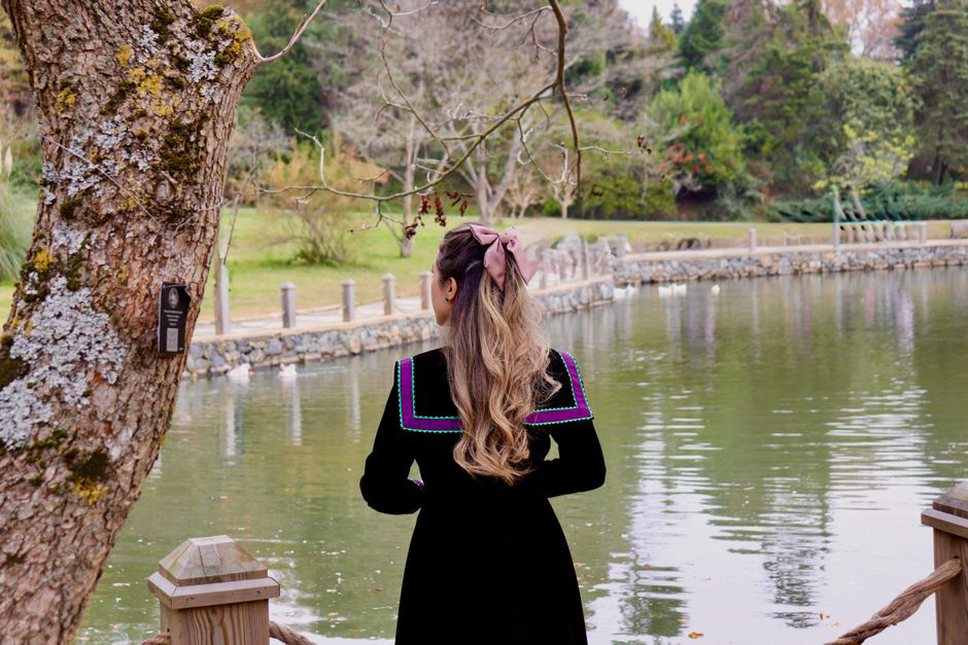
Why Pink? The Colour Story of the Arizona Bow
The Arizona Bow Barrette first appeared in the late 1980s, when British accessory brands like Riviera and smaller independent makers began importing Southwestern motifs—think turquoise, silver, and geometric patterns—from the American desert. The bow itself, a wide, rounded shape with a central crimp, was originally designed to echo the silhouette of a cowboy or bolo tie. But the colour palette quickly expanded beyond the expected earth tones. The pink version, often described as 'coral blush' or 'desert rose', was a deliberate counterpoint to the heavier browns and blacks. It allowed the clip to be worn with the pastel lace and linen dresses that were flooding the British high street at the time, bridging the gap between a rugged motif and a softer, feminine wardrobe.
Materials and Craftsmanship of the Pink Variant
Authentic pink Arizona bow barrettes are almost always made from cellulose acetate or a high-quality resin, cast in a single piece and then hand-finished. The key is the colour saturation: genuine vintage pieces have a slightly translucent quality, like a seashell held up to the light. The pink is never flat; it has subtle variations in tone, especially around the edges where the resin may have aged to a warmer peach. The metal clip mechanism is typically a spring-loaded French barrette, often stamped with a maker's mark on the inside—'Riviera', 'Guy Laroche', or simply 'Made in England'. The bow itself is attached to the clip with a small metal rivet or a glue that has yellowed over time, which is a sign of authenticity rather than damage.
How to Identify a Genuine Pink Arizona Bow Barrette
Because the Arizona bow is so iconic, it has been widely reproduced. Here are the visual and tactile clues that separate a true vintage piece from a later revival:
- Weight: Genuine acetate is heavier than modern plastic. The pink barrette should feel substantial in your palm, not flimsy.
- Edge finish: Vintage bows have a slight bevel or rounded edge, never sharp. If the bow feels knife-edged, it's likely a modern cast.
- Colour consistency: Look for a 'marbling' effect—faint streaks of lighter pink or cream that disappear when the light hits directly. This is a sign of hand-mixed acetate.
- Clip patina: The metal should show a consistent, even tarnish, not a bright silver finish. Some clips have a gold-toned plating that wears down to a brass colour.
- Maker's mark: Check the underside of the clip lever. Even if the brand is unreadable, a stamped number or letter (e.g., 'M' or '1') is a good sign of factory production.
If you're hunting at vintage fairs in the UK, keep an eye out for the pink barrettes that come with their original card backing—often a simple white card with a curved cut-out and the words 'Arizona Bow' in a serif font. These are the most collectible.
Wearing the Pink Arizona Bow Barrette in a Modern British Wardrobe
The challenge with any vintage accessory is making it feel current, not costumed. The pink Arizona bow works exceptionally well because its colour softens the strong geometry. The key is to treat it as a statement piece on a minimalist base. Try clipping it low at the nape of the neck to hold a simple ponytail, allowing the bow to anchor the silhouette. Or, for a more daring look, use it as a side-swept accent in a half-up style, letting the pink echo the colour of a scarf or a handbag. Because the bow is substantial, avoid pairing it with other large hair accessories—let it be the sole focus. The bow also pairs beautifully with the unstructured linen dresses that are so popular in British summer wardrobes; think of it as a modern nod to the 1990s prairie trend.
Care and Storage for a Delicate Pink Finish
Pink acetate is particularly susceptible to light damage. Over time, UV rays can cause the pink to fade to a pale cream or even a murky grey. To keep your barrette's colour vibrant, store it away from direct sunlight in a soft pouch or a lined jewellery box. Never use alcohol-based cleaners or nail polish remover on the resin—these will strip the surface finish. Instead, gently wipe the bow with a soft, dry cloth after each wear. If the clip mechanism becomes stiff, apply a tiny drop of sewing machine oil to the hinge, then work it back and forth. Avoid soaking the barrette in water, as moisture can seep into the acetate and cause clouding.
Why the Pink Arizona Bow Matters to British Vintage Collectors
In the broader context of British hair accessory history, the pink Arizona bow represents a moment when the high street embraced global influences and reinterpreted them through a domestic lens. It is not a direct copy of any American design; it is a British product that absorbed the Southwestern aesthetic and made it wearable for a rainy afternoon in Richmond. Similar to the way a 70s maxi dress and vintage hair accessories can be combined to create a cohesive vintage look, the pink Arizona bow bridges the gap between a specific decade and a timeless silhouette. For collectors, the pink variant is rarer than the brown or black versions, partly because pink acetate was less commercially popular in the late 1980s, and partly because pink items were often discarded as 'dated' in the 2000s. Finding one in good condition is a small triumph.
Pairing the Pink Bow with Other Vintage Finds
One of the pleasures of owning a pink Arizona bow is discovering how it interacts with other vintage hair pieces. For example, a small tortoiseshell hairpin or a delicate gold hairband can sit alongside the bow without competing. The bow's soft pink also picks up the rose tones in a vintage floral scarf or a silk blouse. If you are curating a collection, consider displaying the pink barrette next to a Fashion HTML: Decoding the Language of Vintage Hair Accessories—a playful nod to the digital age of archiving physical objects. But for daily wear, the simplest rule is: let the pink do the talking. Clip it in, step out, and let the desert rose remind you that even the most structured accessory can have a gentle heart.