
Volume, Not Sparkle: The Quiet Elegance of Vintage Hair Accessories
There is a particular kind of magic in a 1930s French shell hair comb carved with climbing roses. No rhinestones, no diamanté, no sequins—just the warm glow of celluloid catching the light, the weight of it in your hand, and the quiet confidence it lends to a twist of hair. For those of us who collect and wear vintage hair accessories, the most memorable pieces are rarely the ones that shout. They are the ones that build volume, shape, and texture, turning a simple updo into a sculptural statement. This is a love letter to that understated opulence: a voluminous affair with hardly a sequin in sight.
Sequins and crystals have their place—1920s bandeaux and 1950s cocktail combs often dazzle beautifully—but the true heart of British vintage hair ornamentation lies in materials and forms that rely on depth rather than glitter. Think of a Victorian tortoiseshell comb with intricate hand-cut teeth, or a 1940s velvet bow so plush it seems to absorb light. These pieces create drama through silhouette and tactility. A single large comb can transform the crown of the head, adding an inch or two of height and a focal point that draws the eye without competing with the wearer’s features.
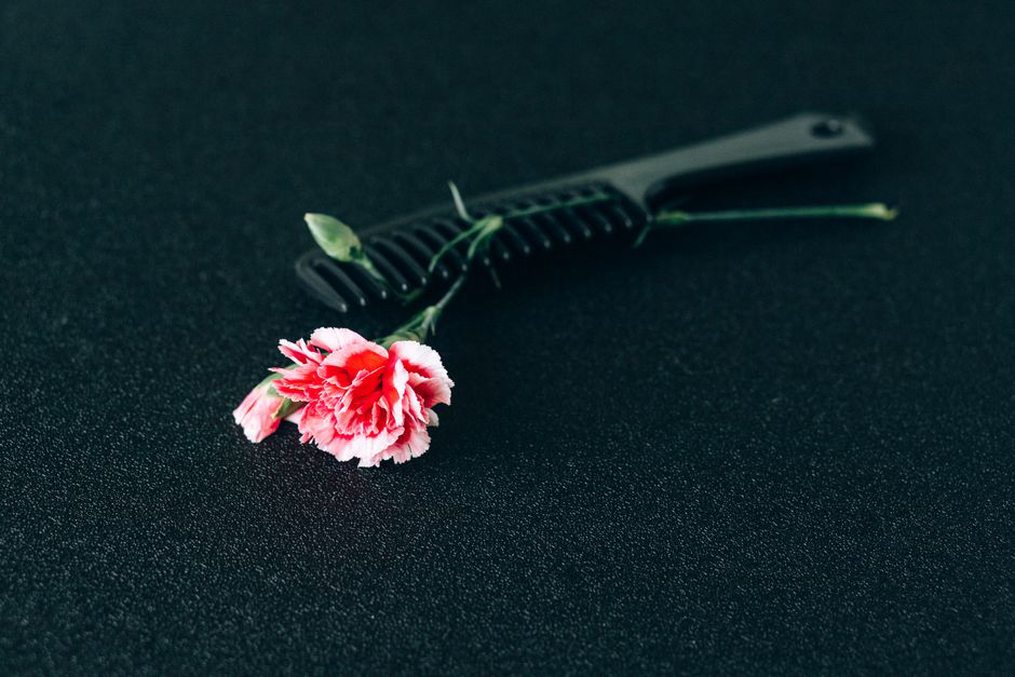
The appeal is also practical. Accessories without sequins are often lighter, more durable, and easier to integrate into everyday wear. A bakelite barrette in deep mottled brown can anchor a sleek ponytail; a silver filigree slide can hold a French twist for a workday. Because they rely on material quality and craftsmanship, they age gracefully—patina only adds character.
The Allure of Texture Over Sparkle
Edwardian Elegance (1900–1910)
The Edwardian era prized the Gibson Girl silhouette: a mass of hair piled high, held in place by enormous combs made of natural tortoiseshell, horn, or early celluloid. These were not delicate—they spanned the width of the head, often with ornate Art Nouveau motifs of leaves and lilies. The comb’s teeth were deep and strong, designed to anchor thick hair. Sequins were rare; the focus was on the sculptural curve of the comb itself.
1920s–1930s: Geometry and Sculpture
While the 1920s introduced the headband and the cloche, the 1930s brought a revival of big hair and big combs. Bakelite and celluloid became the materials of choice, moulded into bold geometric shapes—stepped rectangles, fan forms, and abstract curves. Colours were rich: amber, tortoise, black, and green. These pieces were often completely unadorned; their power came from the purity of their form. A single bakelite comb in an updo could create a striking architectural line.
1940s: Utility and Glamour
Wartime austerity forced creativity. Women used fabric scraps to make padded bows and fabric-covered hairbands. These were voluminous by design—stuffed with cotton to create a rounded, sculptural effect. Metal grips and simple spring clips were decorated with painted enamel or a single glass bead. Sequins were reserved for evening; daytime accessories celebrated texture: grosgrain ribbon, wool felt, and brushed cotton.
1950s–1960s: The Age of the Big Hair Accessory
The beehive and the bouffant demanded accessories that could match their height. Italian horn combs, often hand-carved, became sought-after. Plastic flowers and fruit clusters adorned large barrettes. Fabric-covered hairbands grew wider, sometimes padded. The 1960s also saw the rise of the “hairpiece” comb—a comb with a built-in false hairpiece to add volume. Again, almost no sequins; the drama came from size and material contrast.
Materials That Speak Volumes
- Natural tortoiseshell (vintage only, as trade is now restricted): Warm amber tones, translucent, can be carved or plain. Requires gentle care—keep away from heat and solvents.
- Horn: Similar to tortoiseshell but with more visible grain. Often used for 1950s combs and slides. Polishes beautifully with a drop of oil.
- Bakelite: Early plastic, heavy, with a distinct chemical smell. Colours range from rich reds and greens to deep black. Can be carved or moulded. Avoid alcohol when cleaning.
- Celluloid: Lighter than bakelite, often used for ornate carved combs. Flammable—store away from heat. Look for the “French” celluloid combs with hand-painted details.
- Sterling silver and silver plate: Used for filigree slides and Edwardian hair pins. Tarnish is part of the charm; gentle polish with a silver cloth.
- Velvet, silk, and grosgrain: Fabric-covered accessories from the 1940s and 1950s. The pile of velvet catches light softly, creating a rich, matte sheen.
Finding and Caring for Your Voluminous Treasures
The best places to source these pieces in the UK are antique fairs (Newark, Ardingly), charity shops in historic towns, and online marketplaces where sellers specialise in pre-1960s accessories. Look for pieces with intact teeth—cracks in bakelite or celluloid can worsen. For fabric accessories, check for stains and loose threads; many can be gently hand-washed.
Storage matters. Keep combs and barrettes in a cool, dark place away from direct sunlight. Wrap fabric-covered pieces in acid-free tissue. For a deeper dive into preserving your collection, our guide on Archiving Vintage Hair Accessories: A Practical HTML Guide for Collectors offers step-by-step advice on documentation and storage conditions.
Pairing Classic Accessories with a Modern Wardrobe
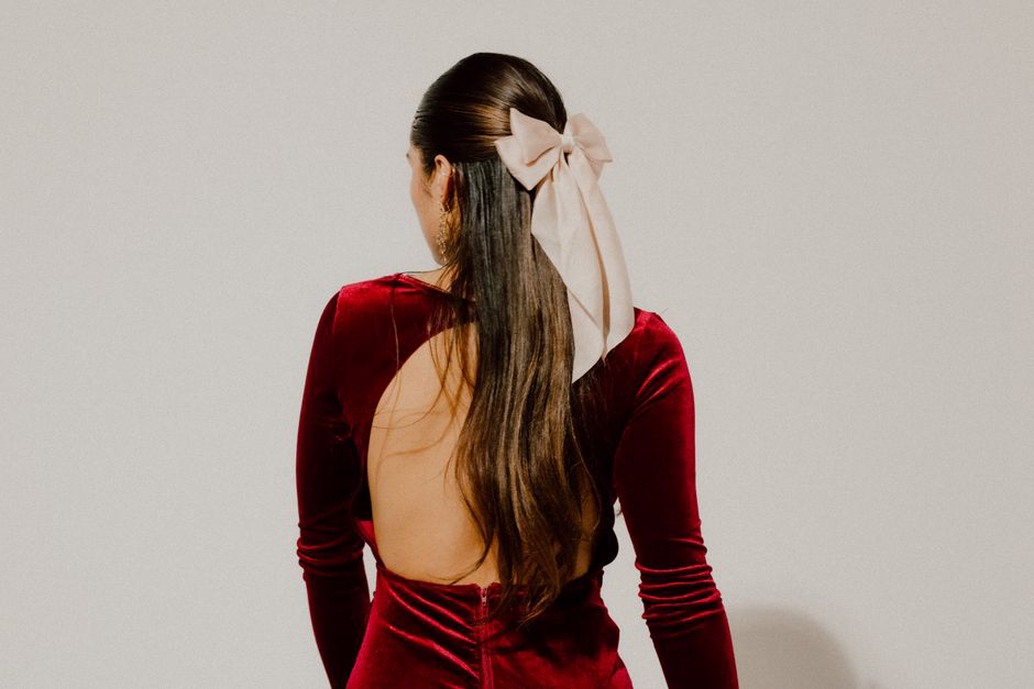
The beauty of these textured, non-sequinned pieces is their versatility. A large carved celluloid comb works just as well with a silk slip dress as it does with a chunky knit and jeans. A 1950s horn barrette can anchor a messy bun for a weekend walk. The key is to let the accessory lead—keep the rest of your outfit simple in texture and colour. A single statement piece, whether a padded velvet bow or a tortoiseshell comb, adds instant depth without competing.
For evening, consider a silver filigree slide with a sleek low ponytail—it catches candlelight without the flash of rhinestones. For daytime, a bakelite comb in amber tone warms up a grey wool coat. The absence of sequins makes these pieces feel grounded, wearable, and deeply personal.
The Quiet Power of a Well-Chosen Comb
When you pick up a vintage hair accessory that relies on volume and material rather than sparkle, you are holding a piece of design history. The Edwardian comb carved from a single piece of tortoiseshell, the 1930s bakelite fan, the 1940s padded bow—each tells a story of how women shaped their hair to shape their presence. There is no need for glitter when the silhouette itself commands attention. Next time you browse a vintage stall, look past the rhinestones. Run your fingers over the smooth curve of a horn comb, feel the weight of a bakelite barrette. That quiet solidity is where true elegance lives.