
Hair Accessories for the 1970s Maxi Dress
The maxi dress of the 1970s is a curious garment. It swept through British fashion not as a single silhouette but as a constellation of them—prairie dresses with high necks and pin-tucked bodices, slinky jersey numbers that pooled at the ankle, and printed caftans that billowed like sails in a summer breeze. What united them was length, yes, but also a certain relaxed defiance. The maxi dress refused to be hurried. It demanded that the wearer slow down, move differently, and—crucially—choose hair accessories that could hold their own against so much fabric.
If you own a genuine 1970s maxi dress, or a modern cut that channels the era, you have likely faced the dilemma: what to do with your hair. A simple ponytail can feel too slight against a floor-length floral. A severe bun might contradict the dress's easy spirit. The answer lies in the accessories that British women actually wore with these dresses—combs, clips, and bands that were designed to complement, not compete with, the garment's generous proportions.
The Anatomy of a 70s Maxi Dress
Before we talk accessories, it helps to understand what you are working with. The 1970s maxi dress came in three dominant fabric families, each with its own personality and its own hair-accessory logic.
- Cotton and lawn prints — often small florals, paisley, or geometric repeats. These dresses had structure: gathered skirts, long sleeves with button cuffs, and collars that could be left open or closed with a vintage brooch. The hair accessory here needed to echo the dress's crispness without being fussy. Tortoiseshell combs worked beautifully.
- Jersey and rayon knits — think Diane von Furstenberg's wrap dress, but floor-length. These draped and moved with the body. They called for accessories that could be adjusted on the go: a velvet ribbon tied at the nape, or a flexible hair band that stayed put during a dance at the local disco.
- Silk and polyester chiffon — floaty, translucent, often layered. These were evening or special-occasion dresses. They demanded something more deliberate: a glittering hair slide, a cluster of faux pearls woven into a braid, or a single oversized flower clip.
Each fabric type also dictated how you cared for the dress, but that is a subject for another afternoon. For now, let us focus on the hair.
Combs That Stay Put
The humble hair comb reached a kind of perfection in the 1970s. British manufacturers like Tortoiseshell & Ivory and smaller London ateliers produced combs with wide, gently curved teeth that could anchor a half-up style securely, even on fine or slippery hair. The key was the comb's spine: it needed to be thick enough to grip, but not so thick that it looked clunky against the scale of a maxi dress.
Look for combs made from cellulose acetate in mottled amber, dark horn, or tortoise. These materials warm up against the skin and soften slightly with wear, moulding to the shape of your head. A single comb placed vertically at the crown can hold back a side-swept curtain of hair, leaving the rest to fall naturally over the shoulders. That asymmetry—one side swept, one side loose—echoes the relaxed asymmetry of a wrap-style maxi dress.
For a more structured look, use two combs, one on each side of a centre parting, and let them frame the face. This works especially well with the prairie-style maxi dresses that had high necklines and long sleeves. The combs add a touch of polish without pulling the hair back too tightly, keeping the overall silhouette soft.
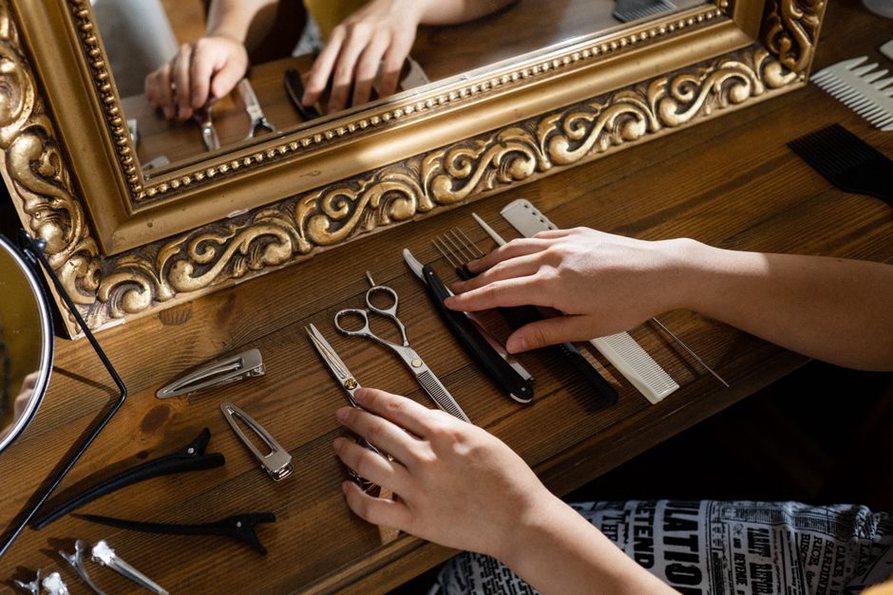
If you are building a collection of vintage hair accessories, combs are a practical starting point. They are less prone to breakage than clips, and they can be found in charity shops and antiques markets across Britain for reasonable prices. A well-made comb from the 1970s will outlast many modern equivalents. For more on curating a purposeful archive, take a look at The Art of the Collection: Building a Vintage Hair Clip Archive with Purpose — the principles for clips apply equally to combs, and the same thoughtful approach will serve you well.
Bands and Ribbons for the Jersey Dress
The jersey maxi dress is a marvel of engineering. It looks effortless, but it requires the wearer to move with intention—a sudden turn and the fabric swirls, a quick step and it catches the light. Hair accessories for this dress must be equally fluid. A rigid plastic headband will look out of place. A velvet ribbon, on the other hand, feels right.
In the 1970s, British women often used wide velvet ribbon as a headband, tying it in a small bow at the top of the head or letting the ends trail down the back. The velvet catches the light in the same way that jersey does, creating a visual harmony. If you prefer something more secure, look for a stretchy fabric band with a metal or plastic core—the kind that wraps around the head and hooks behind the ears. These were sold by department stores like Liberty and Selfridges, and they turn up at vintage fairs with pleasing regularity.
When styling, keep the hair loose or in a low ponytail. The band should sit just behind the hairline, not on top of the head. This pushes the hair back from the face without flattening the crown, preserving the volume that the 1970s prized above almost everything else.
The Evening Slide: Glitter and Glass
For the chiffon or silk maxi dress, the accessory of choice was the hair slide—a long, decorative clip that could be pushed horizontally into a twist or a French roll. The best examples from the 1970s feature glass rhinestones set in gilded metal, often in geometric or floral patterns. They catch the light as you move, drawing the eye upward and balancing the length of the dress.
These slides are surprisingly easy to wear. Gather the hair at the nape of the neck, twist it upward, and tuck the end under to create a roll. Slide the clip in from the side, angling it slightly downward so it grips the hair. The result is an updo that looks complicated but takes thirty seconds. It works for a wedding, a dinner, or a night at the theatre—occasions for which the maxi dress was originally designed.
If you find a slide with missing stones, do not dismiss it. The metalwork alone is often worth the price, and a jeweller can replace the stones for a modest fee. The same principle applies to any vintage hair accessory: condition matters, but minor flaws are often fixable. For guidance on evaluating condition and making repairs, Blog New York Stories: A Vintage Hair Accessory Hunt Across the Atlantic includes practical notes on what to look for when examining second-hand pieces.
Bows: The Unexpected Ally
The 1970s maxi dress and the bow may seem like an odd pairing—the dress is long and sweeping, the bow is small and precise—but it works. A single grosgrain or velvet bow clipped at the side of a low bun adds a note of wit to an otherwise serious silhouette. The bow should be substantial enough to be seen: at least five centimetres across. Anything smaller will look like an afterthought.
Vintage bows from the 1970s often have a metal barrette clip sewn into the back, making them easy to attach and remove. They were sold in haberdashery shops and department stores, and they survive well because the fabric is durable. Look for colours that complement your dress without matching it exactly. A deep burgundy bow against a cream or ivory maxi dress is a classic combination. A navy bow on a floral print can pick up the darkest colour in the pattern and anchor the whole look.
Bows also work beautifully with shorter hair. If you wear your hair in a chin-length bob, clip a bow just above one ear and let the rest of the hair fall naturally. The bow adds a focal point that prevents the long dress from overwhelming your frame.
Practical Care for Vintage Accessories
Vintage hair accessories require gentleness. Combs should be cleaned with a soft, dry cloth—never soaked in water, which can cloud the acetate. Metal slides can be polished with a jewellery cloth, but avoid liquid cleaners that might loosen the stones. Fabric bows and velvet bands can be spot-cleaned with a damp cloth and mild soap, then left to air dry away from direct heat.
Store your accessories separately, preferably in a lined box or a fabric pouch. Combs and slides can scratch each other if they are jumbled together. Bows should be stored flat to prevent the fabric from creasing. With care, these pieces will outlast many modern equivalents, and they will continue to bring the 1970s back to life every time you wear them.
The maxi dress is not a costume. It is a piece of clothing that deserves to be worn with thought and pleasure. The right hair accessory—a comb that catches the light, a ribbon that moves with the breeze, a bow that adds a wink—completes the look without overpowering it. That is the British way: understated, considered, and quietly beautiful.