
Vintage T-Shirts and Hair Accessories: A Collector’s Guide
A vintage t-shirt might not be the first thing you think of when you picture a hair accessory collection, but its cultural weight is just as distinct as a Bakelite hair slide. For someone who hunts down celluloid combs and vintage barrettes, a 1950s cotton jersey tee — softened by decades of wear — can anchor an elaborate piece without fighting for attention. This article walks through the eras, materials, and practical considerations of building a t-shirt wardrobe that speaks the same language as your hair accessories.
Why T-Shirts Belong in a Vintage Accessory Collection
A vintage t-shirt is a textile time capsule. The way a collar sits, the weight of the fabric, the fading of a screen-printed logo — each detail echoes the manufacturing techniques and cultural moods of its decade. Pair it with a vintage hair accessory, and you get a layered story. A 1970s band tee with a tortoiseshell hair claw evokes the bohemian festival spirit; a 1950s undershirt-style tee with a rhinestone hair clip channels the polished rebellion of rockabilly. The t-shirt becomes neutral ground that lets the hair accessory shine, or the other way around.
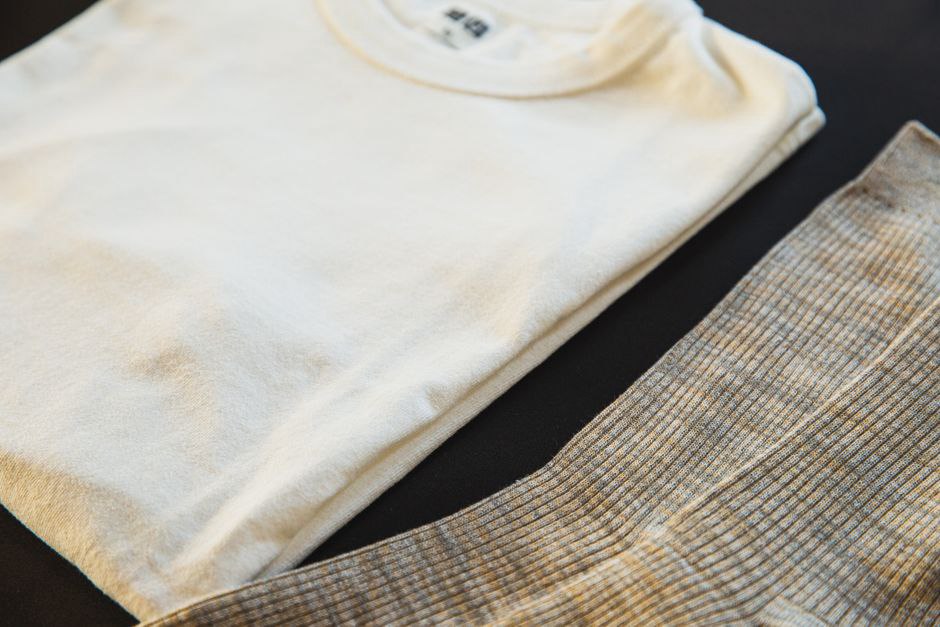
Eras of the British Vintage T-Shirt
The t-shirt started as an American undergarment in the early 20th century, but Britain adopted it fast after World War II. By the 1950s, British teenagers were customising plain white tees with rolled sleeves and turned-up collars, copying American films. The 1960s brought bold graphic prints — pop art, band logos, political slogans — often screen-printed on heavy cotton. The 1970s favoured softer, slinkier fabrics with wide collars and deep armholes. The 1980s introduced oversized silhouettes, neon colours, and licensed merchandise from films and music tours. Each era leaves clear markers for the collector.
Key Eras and Their Hallmarks
- 1950s: Crew neck, short sleeves, thick cotton jersey, often tagless or with a simple size label. Graphics were rare; if present, they were small chest prints.
- 1960s: Slightly wider neckline, heavier fabric, large screen-printed graphics with visible ink layering. Union Jack motifs became popular after the British Invasion.
- 1970s: Softer cotton, often made in the UK by brands like Sunspel or Meridian. Collars were wider, sleeves often rolled. Band t-shirts from The Rolling Stones, Led Zeppelin, and punk acts are highly collectible.
- 1980s: Oversized fit, shoulder pads on some women's styles, neon and pastel colours. Licensed movie tees (e.g., Ghostbusters, Star Wars) and brand logos dominated.
- 1990s: Vintage now, but distinct — boxy cut, heavy ribbed collars, and “vintage wash” finishes. Grunge band tees and skate brands are sought after.
Materials and Construction: What to Look For
The quality of a vintage t-shirt is in its fabric and stitching. Pre-1970s tees were almost always 100% cotton, often ring-spun for a soft but durable hand. Look for flat-felled seams — a sign of solid construction. The collar should be a tight rib knit that holds its shape. Labels are a goldmine: British brands like Sunspel, Wolsey, and Lyle & Scott produced many t-shirts for the domestic market. American imports (Fruit of the Loom, Hanes) were also common, but a British-made tee adds local character.
Watch out for “reproduction” tees that mimic vintage graphics but use modern synthetic blends or single-stitch hems. Authentic vintage t-shirts usually have double-stitched hems and a softer, slightly irregular feel. The dye may be uneven after decades of washing — that is part of the charm.
Styling Vintage T-Shirts with Hair Accessories
The beauty of a vintage t-shirt is its versatility. A plain 1960s white tee can be dressed up with a pearl-studded hair slide or a velvet bow clip for a tea party. A graphic 1980s tee gains an ironic twist when paired with a demure 1950s hair net or a structured hairband. The key is contrast: let the t-shirt's casual ease offset the formality of an ornate hair accessory. Just as a German silver comb from the 1920s adds refined structure to a casual outfit, a well-worn vintage t-shirt can ground an elaborate hair accessory — a pairing we explore in our collector's guide to Alpaca Hair Accessories: A Collector's Guide to German Silver Combs and Slides.

Building Your Collection: Practical Tips
Start with a single decade that matches your existing hair accessory collection. If you favour 1950s French hairpins, seek 1950s t-shirts. If your hair accessories are 1970s wooden slides, hunt for 1970s tees. That thematic coherence makes styling easy. Look for t-shirts in charity shops, flea markets, and online auction sites. Pay attention to the label, the seam construction, and the condition of the graphic (cracking is normal, but large missing chunks reduce wearability).
Storage matters. Fold vintage t-shirts flat — hanging can stretch the neckline. Keep them away from direct sunlight to prevent further fading. Wash infrequently, inside out, in cold water with a mild detergent. Never tumble dry; air dry flat. The same gentle care you give your hair accessories should apply to your t-shirts.
The Collector's Mindset
Curating a t-shirt collection is not about quantity but about narrative. Each tee has a story — the concert it came from, the person who wore it, the decade it represents. The same thoughtful approach that guides your hair accessory archive applies here. For a glimpse into how an editor manages such a dual collection, see What a Chief Editor of a Vintage Hair Accessories Blog Actually Does All Day. The discipline of cataloguing, dating, and pairing pieces transforms a pile of old clothes into a coherent, wearable history.
Next time you're at a flea market, run your fingers along the neckband of a faded t-shirt. The double-stitching and tag style will tell you its decade before the graphic does. That tactile knowledge is the mark of a true collector.