
Collections Scunchy: A Collector’s Guide to the Fabric Hair Tie
When I first began digging through charity shop bins in search of vintage hair accessories, the scunchie was the one item I routinely passed over. Tucked between tarnished metal slides and broken combs, those puffy fabric circles seemed too ordinary, too recent, too… 1990s. It took a box lot from a retired hairdresser in Brighton to change my mind. Inside were thirty-seven scrunchies, each wrapped in tissue paper, labelled by colour and year. Among them: a deep burgundy velvet from 1987, a raw silk twist from 1993, and a hand-dyed linen band from a small studio in Bath that closed its doors in 2001. That box taught me that the scunchie, far from being a throwaway trend, is a genuine collectible category with its own material history, design evolution, and surprising craftsmanship.
What Exactly Is a Scunchie?
The term “scunchie” is a portmanteau of “scrunched” and “band,” popularised in the late 1980s. Unlike a plain elastic hair tie, a scunchie consists of a fabric tube sewn around a central elastic core. The fabric is gathered—scrunched—along the band, creating the characteristic puff. This construction serves a practical purpose: the fabric layer reduces tension on the hair shaft, minimising breakage and creasing. Collectors distinguish between three basic types: the classic gathered tube, the ruffle style (where the fabric is pleated rather than gathered), and the bow-tie scunchie (a smaller loop with a decorative knot at the top).
The Golden Era: 1986–1999
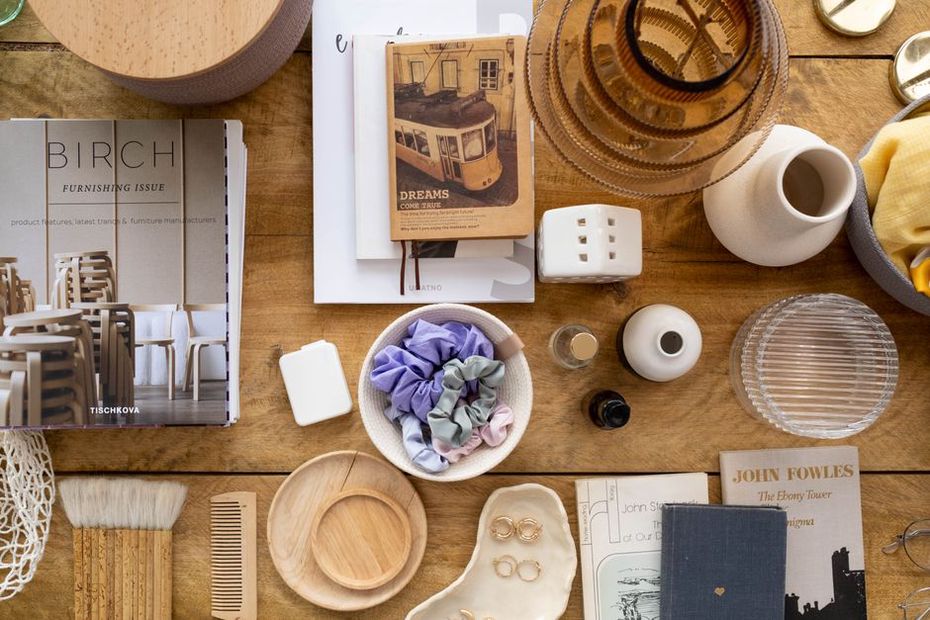
The scunchie’s rise mirrors the shift in British fashion from structured, sprayed hairstyles of the early 1980s to the softer, more natural looks of the late decade. By 1987, major high-street retailers like Dorothy Perkins and Topshop carried scrunchies in every colour of the rainbow. What many collectors overlook is the regional variation in materials. London-based brands favoured silk charmeuse and velvet for evening wear, while manufacturers in Manchester and Leeds produced cotton and polyester blends for everyday use. The most sought-after pieces today come from independent British designers who treated the scunchie as a miniature textile project: Liberty-print cottons, Harris Tweed scraps, and even remnants of Welsh wool blankets found their way into limited runs.
Key Eras at a Glance
| Period | Typical Materials | Colour Palette | Notable Features |
|---|---|---|---|
| 1986–1989 | Velvet, silk, polyester satin | Jewel tones, black, ivory | Large diameter (10–12 cm); often sold as single pieces |
| 1990–1993 | Cotton jersey, ribbed knit, raw silk | Muted earth tones, pastels | Smaller bands (6–8 cm); sets of three or five |
| 1994–1999 | Sheer organza, metallic thread, faux fur | Neon, silver, glitter | Ruffle and bow-tie shapes; often branded with logos |
Building a Collection: What to Look For
A focused collection does not need to be large. I have seen stunning assemblies of fewer than twenty pieces, each chosen for a specific reason. Here are the categories that hold value and interest for British collectors today:
- Designer collaborations. In the early 1990s, several British fashion houses produced scunchie lines as promotional items. Look for labels like Mulberry, Katharine Hamnett, and Joseph. These pieces often have a discreet brand tag sewn into the seam.
- Textile rarities. Scrunchies made from deadstock fabric—ends of rolls from mills that no longer operate—are highly prized. The fabric tells a story of a specific British textile industry moment. A scunchie in a Scottish tartan, for instance, might date to a particular clan’s bicentenary celebration.
- Handmade examples. Before the scunchie became a mass-produced commodity, small craft businesses and home sewers made them. These often feature irregular stitching, unique button closures, or hand-dyed colours. They are one-of-a-kind artefacts of the home-economy movement of the late 1980s.
- Condition and elastic integrity. The original elastic is the first thing to degrade. A scunchie whose elastic is still springy and unstretched is a rare find. Many collectors accept that the elastic will need replacement, but the fabric must be intact—no stains, no fraying at the seams, no fading from sun exposure.
Pairing Vintage Scrunchies with Modern Outfits
The practical appeal of the scunchie for today’s wardrobe lies in its versatility. A single large velvet scunchie from the late 1980s can anchor a low ponytail under a tweed blazer, or sit at the wrist as a subtle accent to a cashmere sleeve. The key is to treat the scunchie as a deliberate accessory rather than a utilitarian hair tie. I often advise readers to match the fabric of the scunchie to the texture of an outer garment—silk with silk, wool with wool—rather than trying to match colours exactly. A deep forest-green velvet scunchie against a charcoal coat reads as intentional and elegant, not nostalgic in a costumey way.
Care and Storage for Fabric Bands
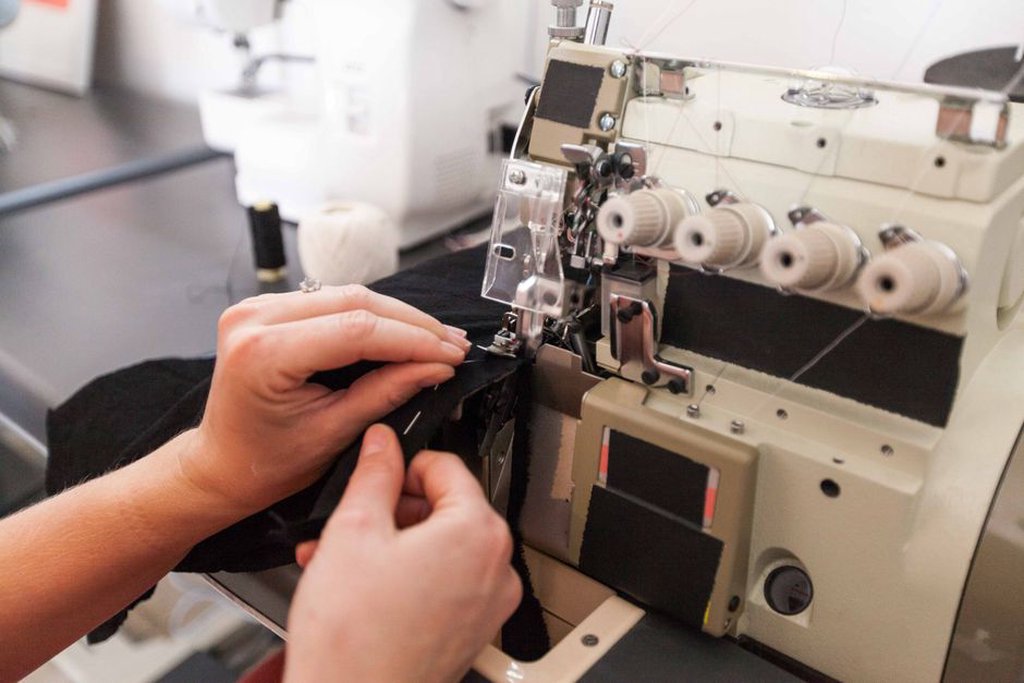
Because the scunchie is primarily fabric, its enemies are moisture, heat, and prolonged stretching. Store them flat in a drawer lined with acid-free tissue paper, or hang them from a ribbon loop if you have the wall space. Avoid wrapping them around a hairbrush or hook, as this permanently elongates the elastic. For cleaning, hand-wash in cool water with a drop of mild detergent, then press the fabric flat between two towels to remove excess water. Never wring or twist. Air-dry away from direct sunlight. If the elastic has gone slack, you can replace it by carefully unpicking the seam at one end, threading a new piece of round elastic through the casing, and re-stitching. This is a straightforward repair that extends the life of the scunchie by decades.
Where to Find Them
British charity shops remain the most reliable hunting ground, but the pickings have grown thinner as awareness of the scunchie’s collectibility has increased. Car boot sales in the Home Counties, particularly those held in villages with an older demographic, sometimes yield boxes of untouched 1990s accessories. Online auction platforms are useful for specific searches—try “vintage scrunchie UK” or “Liberty print hair tie”—but be prepared to pay a premium for pieces with provenance. I have also had success at textile fairs and haberdashery stalls, where vendors often keep a small tray of vintage hair accessories as a curiosity. The best approach is to be patient and to develop an eye for the details that separate a mass-produced polyester loop from a carefully made fabric band with a story to tell.
One final note on the emotional dimension of collecting scrunchies. Unlike metal or plastic accessories, fabric absorbs the oils, scents, and creases of its previous owner. A scunchie that still smells faintly of lavender or hairspray is not a flaw—it is a connection to the person who wore it. That tactile, intimate quality is what makes the scunchie a uniquely personal category within the broader world of vintage hair accessories. If you are new to this corner of collecting, start with one piece that genuinely pleases you in colour and texture. Let it sit on your dressing table for a few days before you decide whether to wear it or display it. The scunchie rewards a slow, thoughtful approach.