
Fresh Finds: The Magic of New Arrivals in a Vintage Hair Accessory Collection
When a parcel arrives at my door bearing the faint smell of cedar and old velvet, I know another treasure has crossed the Atlantic or emerged from a forgotten estate. The ritual is familiar: I slice the tape, lift the lid, and there, nestled in tissue, lies a new arrival — a shell comb carved with Victorian roses, a bakelite clip the colour of burnt caramel, a hair slide with a tiny celluloid butterfly. For a collector of vintage hair accessories, each new addition is not just an object but a conversation: between eras, between craft traditions, and between the original owner and the person who will wear it next. This article is about that first, thrilling encounter — and how to make wise choices when new acquisitions join your curated shelves.
New arrivals in the vintage world are rarely truly new. They are rediscovered, re-loved, often saved from being melted down or forgotten in a charity shop bin. Understanding the provenance of a piece — even a humble one — adds depth to your collection. A common mistake I see is buying a pretty accessory without asking a few key questions: Is the material consistent with the era it claims to be from? Do the findings (the metal clip, the pin hinge) match the period? How has it survived the years? A cracked celluloid comb can be stabilised; a missing prong on a 1920s bandeau may be fixable. But knowing these details before you commit saves disappointment and money.
The Arrowroot of New Arrivals: What Actually Hits the Market
British vintage markets have seen a quiet shift in the types of hair accessories appearing as new arrivals. Five years ago, Edwardian silver-backed brushes and carved horn combs dominated the listings. Today, the fresh influx leans heavily toward mid-century — specifically the 1950s and 1960s — with bright, playful plastics, whimsical bow clips, and the kind of structural pieces that feel at home both on a retro bouffant and a modern messy bun. I recently acquired a set of three resin-backed hair slides from a Leicester estate; the colours — oxblood, sage green, and cream — are exactly what you’d see on a high-street hair accessory shelf in 2025, yet they were made in 1963. That timelessness is the lodestone of a strong new arrival.
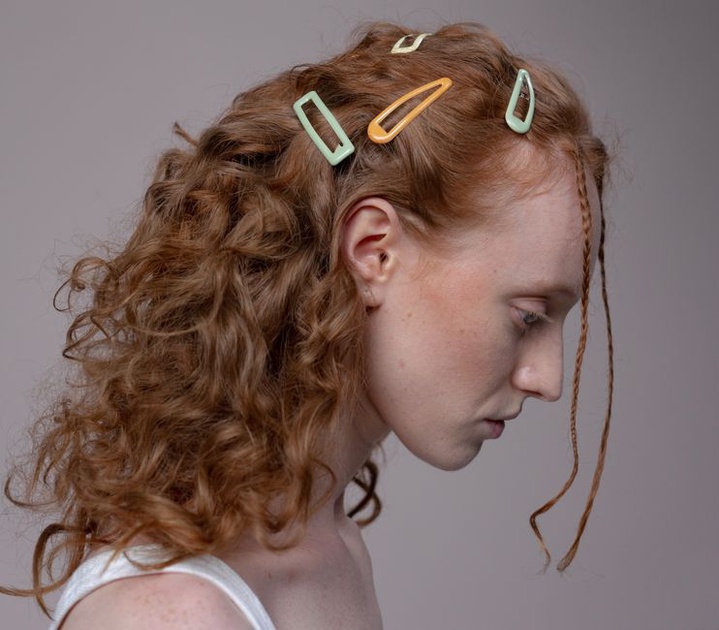
Pay attention to the condition of the clasp or spring mechanism. Metal fatigue is the silent killer of many later combs and clips. Lightly test the tension on a new arrival (gently) — if the grip feels weak, it might slip out of thick hair. Conversely, a piece that is too tight may snap after a few wears. The original maker’s mark is worth searching for. British manufacturers such as Birmingham Silversmiths or William Hairfield left tiny stamps on the inner band of slide combs. A magnifying loupe (carried in your handbag) is a collector’s best friend when inspecting new arrivals at a fair or market.
Materials That Sing: What to Look For
One of the most exciting aspects of new arrivals is encountering unfamiliar materials. Many collectors focus on bakelite and celluloid — both worthy — but the emerging trend among British vintage hunters is gutta-percha, a natural rubber that was moulded into mourning jewellery and hair ornaments in the mid‑19th century. New gutta‑percha arrivals are rare but not impossible to find; they are usually dark brown or black, often carved with floral motifs, and feel surprisingly light. Another material quietly gaining traction is French‑jet — not a true jet but a moulded glass — used extensively in the 1860s and 1870s. Its deep, glossy black is unmistakable next to plastic imitations.
When evaluating a new piece, run your fingernail gently across the surface. Bakelite, if genuine, often smells of formaldehyde when rubbed (the famous “hot water test” is better done at home, not in a shop). Celluloid is typically lighter and more prone to flame‑like patterns. A white deposit or bloom on old plastic may indicate deterioration — that is a sign to pass unless you are skilled in conservation. I keep a small flash‑light in my kit; it reveals hairline cracks, repairs with epoxy that have yellowed, or a weak spot where the material has become brittle.
Integrating New Arrivals with Your Existing Wardrobe
The true joy of a new arrival is not keeping it in a drawer but wearing it—and doing so in a way that feels fresh, not costumey. A starburst comb from the 1930s, all gleaming faceted glass and intricate metalwork, can transform a simple navy sweater and jeans into a look that sparks conversation. The trick is to treat vintage hair accessories as modern jewels: let them be the focal point. A single large bow clip (think 1980s velvet or 1950s ribbon) pinned just above an ear looks edgy with straight hair and a leather jacket. A delicate Edwardian tortoiseshell slide looks stunning tucked into a low chignon.
That said, new arrivals often need a gentle cleaning before they meet the public. A soft, damp cloth (water only — no chemicals) for most plastics and metals works well. For tortoiseshell (real or faux), a drop of olive oil on a cotton bud can rejuvenate the surface, but test on an inconspicuous spot first. Avoid ultrasonic cleaners; they can shatter aged materials. For metal ornaments with patina, the patina is often part of the beauty — scrubbing it off devalues the piece. I always photograph my new arrivals under natural light before any cleaning, so I have a record of their acquired history.
Displaying and Curating a Fresh Addition
A collection that breathes is one where new arrivals are shown, not hidden. If you keep your pieces in a box, you might forget you own them — and they deserve better. I use a small velvet‑lined tray on my dressing table for the current rotation of three or four new arrivals. This changes weekly. For storing the rest, acid‑free tissue paper and separate compartments (old chocolate tins are excellent) prevent scratching and tangling. If you have a larger collection, consider how you present the new items to visitors. I often rearrange my front‑and‑centre display after a major purchase, giving the new piece pride of place. For more on the art of arranging your treasures, the post Curating Your Collection’s Front Page: A Guide to Vintage Hair Accessory Display offers detailed advice on composition and lighting — especially useful when you want a new arrival to take centre stage.

A Practical Checklist for Evaluating New Arrivals
- Date markers: Look for patent numbers, hallmarks, or design registration marks. The UK introduced the Registered Design Number system in 1842 — a small diamond‑shaped mark on the base of a comb can pinpoint the year to within a few years.
- Hair type compatibility: A heavy metal bandeau from the 1920s will pull on fine hair; a light celluloid slide is ideal. Be honest about your hair texture.
- Wear and tear: Missing a single tooth on a comb is often repairable; missing five means the piece was structurally weak. Pass unless it’s exceptionally rare.
- Authenticity of patina: Artificially aged pieces (reproductions treated to look old) often have uniform discoloration. True age shows uneven fading, especially on plastics exposed to sunlight.
- Smell: Mustiness can often be aired out; a chemical or vinegary smell may indicate active deterioration (especially in early plastics).
Where to Discover Truly Unique New Arrivals
Beyond the usual online marketplaces, British collectors are finding fresh pieces through local house‑clearance sales, small antique fairs in cathedral towns, and specialist vintage‑only shops that focus on dress‑up items. I’ve had great luck at a quarterly fair in Bath that attracts private sellers clearing out grandmothers’ boudoirs. Another surprising source is the textile departments of historical museums; they occasionally sell off duplicates from their costume collections. Always ask politely — staff love to chat about provenance, and you might uncover a piece that was catalogued but never displayed.
One last tip: if you find a new arrival that is damaged but precious, consider learning basic conservation. A gentle resharpening of a broken horn comb’s teeth (with a fine‑grade sandpaper) or replacing a missing prong on a slide with a jeweller’s wire can give the piece a second life. There are dedicated forums and YouTube channels (though I won’t link them here) where collectors share repair techniques. The satisfaction of saving a piece from landfill is immense.
My own most recent new arrival — a late‑Victorian silver slide engraved with a deer — came from an elderly woman’s estate in Cumbria. It had a tarnished clasp and a bent back prong. I spent one evening carefully straightening the prong with needle‑nose pliers and polishing the silver with a gentle cloth. Now it sits in my hair, the deer nearly facing forward, and every time I catch my reflection I think of the hands that made it, the hands that wore it, and the quiet miracle of its survival. That is the true heart of a new arrival: not an object, but a story that you choose to continue.