
Choosing Vintage Hair Accessories You’ll Actually Wear
Turn a vintage hair slide over before you fall for its decorative front. A loose hinge or tired spring may leave it unable to grip, and a piece bought for everyday wear could end up needing repair—or sitting in a drawer. Choosing an older accessory with care starts here: can you use it, look after it and, if necessary, have it repaired? Age alone does not make a purchase responsible.
Buying vintage keeps an existing object in circulation, but its environmental benefit is hard to measure without knowing how it was made, transported, restored and used. One comb worn for years may be a more convincing choice than several inexpensive finds bought on impulse. You needn’t aim for a perfect collection; a smaller one that earns its place leaves room to appreciate the character of older materials.
Start with the accessory you will actually wear
Before searching by decade, think about what you need the piece to do. A slide must hold the amount of hair you intend to secure. A decorative comb needs teeth that sit comfortably and a shape that stays in place; a bow needs a backing or tie suited to how you’ll wear it. Fit matters as much as appearance. Forcing a stiff clip shut or repeatedly repositioning a fragile comb will shorten its useful life.
Look at your wardrobe, too. A plain metal barrette can work with tailoring, knitwear or evening clothes without asking for a period outfit. A small bow changes the feel of a familiar coat or shirt, while an elaborate comb might be saved for occasions when you can handle it carefully. You don’t have to wear everything weekly, but it helps to know whether you’re buying a keepsake or something that only looks good in a photograph.
Budget for the whole object, not just the ticket price. Postage, a replacement backing or specialist repair can change whether a find makes sense. If you would need to alter it substantially before wearing it, consider waiting for an original that fits your needs better. You can respect an older piece without making it work against you.
Materials tell a more complicated story
Older hair accessories may combine metal, glass, fabric, cellulose-based plastics and imitation pearls. Age makes none of those components automatically durable or harmless. Identifying a material helps you judge its condition, care needs and likely wear; it isn’t a shortcut to a claim about environmental impact.
Early plastics and imitation finishes
“Vintage plastic” is a broad description, not an identification. Celluloid, cellulose acetate and later plastics can look alike in a small photograph. Tortoiseshell-patterned material may be imitation rather than shell. Some early plastics become brittle, discolour or deteriorate, so don’t pay a premium for an unverified material claim. Ask for clear photographs of the front, reverse, edges and any markings. An unusual smell, tacky surface or visible distortion is reason to hesitate if you want an easy everyday accessory.
Genuine tortoiseshell and other animal-derived materials raise ethical questions and, depending on the material and circumstances, legal ones. In the UK, rules concerning protected species can affect trade even in old objects. If identification or lawful sale is uncertain, leave the item rather than relying on a seller’s guess. An imitation finish can give you that mottled-brown look without any claim that it is shell.
Metal, glass and textiles
Metal fittings can sometimes be adjusted or repaired, though plating may wear and old solder joints can be delicate. Pay particular attention to where the ornament meets the fastening: an intact decorative front is little use if its backing is about to detach. Glass stones can survive decades beautifully, but missing stones—or replacements that don’t match—can make restoration costly and uneven.
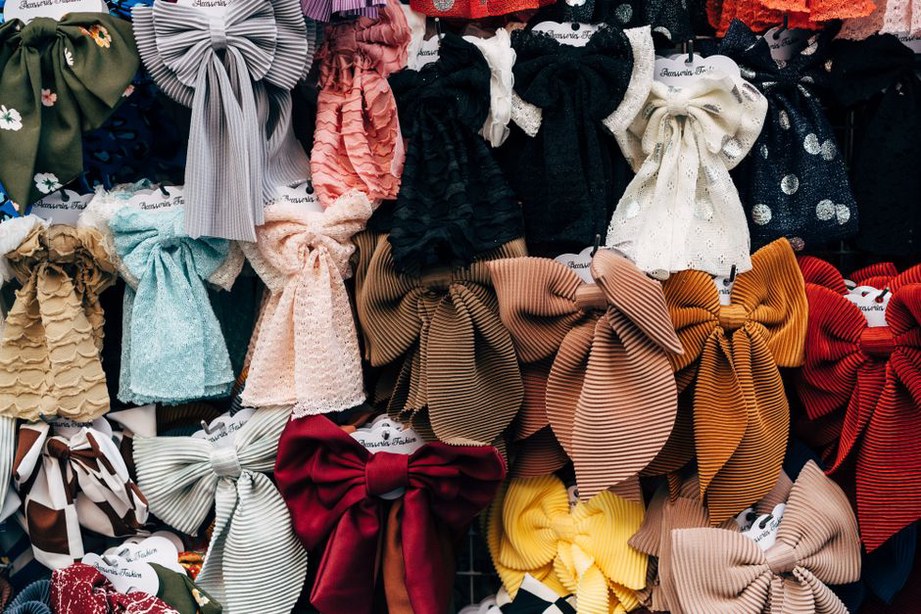
Textiles have their own limits. A silk bow or ribbon may fade, split along a fold or retain marks that cannot safely be cleaned away. Velvet pile may be crushed where it rested against a box. You needn’t reject every piece with signs of age; decide whether you can live with its condition without aggressive treatment. For frequent wear, stable fabric and a sound fastening usually matter more than a pristine-looking front.
Buy fewer pieces with better information
Second-hand markets, charity shops, vintage fairs and family hand-me-downs offer different kinds of information. In a shop, you may be able to test a clasp; a family piece may come with a reliable story about its owner. Online listings can show useful close-ups, but a date in the title is not proof. Shapes were revived, components reused and old-looking finishes produced more recently.
When a piece is unfamiliar, check or ask for:
- The reverse: See how the clasp, teeth or tie is attached, and look for cracks around stress points.
- A scale reference: Dimensions tell you more than a photograph that makes a small slide look substantial.
- Honest condition notes: Check for missing stones, fraying, corrosion and repairs, and ask whether moving parts work.
- Qualified dating: “1930s style” is different from “made in the 1930s”. A seller who makes that distinction gives you more useful information.
- A sensible return arrangement: Know your options before buying something you cannot inspect in person.
Authenticity matters, though every purchase needn’t become a hunt for a famous name. Reproductions can be useful accessories when accurately described; they should not be passed off as period originals. A maker’s mark, packaging or family provenance may help establish a history, but none cancels out contradictory construction details. If the date remains uncertain, judge the object itself and pay only what feels reasonable without the claimed pedigree.
Shopping locally can mean fewer individual parcels, though it doesn’t prove a lower overall footprint. When buying online, combining considered purchases from one seller may avoid multiple deliveries—provided it doesn’t tempt you to add things you don’t need. Reused packaging is welcome if it protects fragile teeth, glass and bows. Skimping on protection helps no one if the piece arrives broken.
Repair without erasing the original
A loose fastening is not necessarily the end of an accessory’s useful life. First, consider whether a repair will leave enough of the original intact and make the piece safe to handle. Keep any detached stone or fitting with the item, and photograph the front and back before work begins. A repairer may need that record to see how the parts once fitted.
For a valuable, fragile or historically interesting piece, speak to a conservator or someone experienced in repairing costume jewellery rather than reaching for household glue. Adhesives can stain textiles, cloud transparent materials or complicate later work. Replacing a clasp may be practical on an unremarkable piece; on a collectible one, removing the original fitting could erase dating evidence. Ask what the repair involves and whether you can keep any component that is taken off.
Some objects are best kept for occasional use or display. A comb with an intact decorative top but weakened teeth need not be forced into a hairstyle. Preventing further damage can be the most careful choice for something with personal or historical value.
Care that extends useful life
Most vintage accessories need gentle handling and sensible storage more than frequent cleaning. Release a clip’s mechanism instead of pulling on its ornament. After wearing a piece, make sure fabric is dry and no hair is caught around the hinge. Dust with a soft, dry cloth or a brush suited to the surface. Avoid soaking mixed-material pieces: old glue, plating and textiles may respond differently to water.
Store combs so their teeth do not carry the weight of other accessories. Wrap delicate pieces separately in clean, soft material or give them individual compartments, away from prolonged direct sunlight and damp. If a material appears to be deteriorating, keep it apart from neighbouring pieces and seek specialist advice rather than sealing it against them. Protect bows from sharp folds and pressure on their loops; flattening them back into shape later may not be possible.
Let versatility guide the next find
A vintage accessory need not come with a complete historical outfit. Restrained 1940s-style metalwork can sit beside a contemporary wool coat; a softly coloured bow can soften a crisp white shirt; a sculptural late-century clip can bring interest to simple evening clothes. What matters is that the fastening does its job without constant adjustment. Give a delicate piece a quieter occasion rather than testing it on a busy day.
Before buying your next find, put its measurements beside a slide or comb you already know fits well. Then check the reverse for sound attachment points. Those two checks may save a lovely piece from becoming another unworn one.