
How to Wear Vintage Hair Accessories with Modern Clothes
A carved comb can look lovely above the collar of a plain black jumper and feel crowded beside a ruffled blouse and patterned coat. Its age isn't the deciding factor. What matters is how its shape, finish and size sit alongside the clothes. When wearing a vintage hair accessory with a modern outfit, start with what you're already dressed in. Let the accessory do one thing well: give the look structure, pick up a colour or add a different texture.
Let the outfit set the terms
Look at the whole outfit before deciding on a clip. A crisp shirt, straight trousers and loafers have clean lines; a curved barrette adds a welcome interruption. A gathered dress already has plenty of movement, so a narrow slide or plain ribbon may feel easier than an elaborate bow. This isn't a limit on how much decoration you can wear. It helps you see whether the details work together or compete.
Pay attention to three things:
- Scale: A wide bow or substantial comb has a different presence from a pair of small slides. Judge it against collars, lapels, earrings and the overall silhouette, rather than a supposed rule about face shape.
- Finish: Glossy plastic, polished metal, matte velvet and translucent celluloid each look different beside denim, wool, cotton or technical fabric.
- Outline: A geometric Art Deco-inspired piece can sharpen the effect of tailoring; a loose ribbon can soften it. Neither calls for clothes from the same period.
Have a look in ordinary daylight before heading out, if you can. A dark comb might disappear against dark hair or a black coat, while a pale bow can become the most noticeable part of a quiet outfit. Either effect might be just right.
Choose a relationship, not a matching set
Pairing every item with something from the accessory's decade can make everyday clothes feel like costume. Instead, try one of three approaches: echo a detail, set up a contrast or find something that connects the old and new.
Echo a detail already present
Pick up one colour or finish, not an entire design. A burgundy velvet bow might draw out a fine stripe in a contemporary shirt; a silver-toned slide might reflect the hardware on a belt. Exact matches aren't needed. Slight differences in shade often feel more natural than a set assembled decades apart.
Create a controlled contrast
A decorative 1930s-style comb has room to shine against a plain crew-neck knit. A modest tortoiseshell-effect slide can bring a little calm to a vivid printed dress. It helps to know which contrast you're using: ornate against plain, glossy against matte or curved against angular. Too many unrelated contrasts can leave the eye with nowhere to settle.
Bridge old and new
A third detail can tie an unexpected pairing together. An amber-coloured vintage barrette might seem separate from a modern grey suit until you add warm brown leather shoes or a rust-coloured knit. The connecting detail needn't be another accessory; even the warm tone of a coat button can be enough.
Make the most of different decades
Dates can be useful shorthand for design, though vintage pieces rarely keep to tidy categories. A clasp may have been replaced, a style revived or an older material reused. Let the visible character of a piece guide you, especially when its date is uncertain.
Early twentieth-century-inspired combs often have tall, decorative profiles. They sit well with a low, uncluttered neckline or the clean shoulder line of a modern blazer. Make sure the hairstyle supports the comb rather than leaving it balanced in loose hair. And don't take an antique-looking surface as proof of age.
1920s and 1930s geometric pieces bring symmetry, fan shapes and stepped edges to contemporary tailoring. A small rhinestone or paste-set clip can add evening detail to a plain trouser suit without a period hairstyle. If its stones are delicate, keep it clear of a handbag strap or coat collar that might knock them.
Mid-century bows and rounded slides soften boxy jackets, denim and simple cotton dresses. Proportion makes a difference: a small bow feels quite unlike a wide, structured one. A bow can work with trainers and a sweatshirt, too; there's no need to recreate a mid-century outfit.
Late twentieth-century statement clips can hold their own beside oversized shirts and broad-shouldered outerwear. Put a large clip with a roomy blazer, for instance, and it won't necessarily get lost. Add two bold clips, prominent earrings and a patterned scarf, though, and you may want to take something away. Check that you can still see each detail clearly.
Build pairings around clothes you actually wear
The most useful vintage accessories work with clothes you reach for regularly, not just special-occasion outfits. Try these as starting points:
- White shirt and dark denim: A narrow metal slide or glossy barrette has space to show its clasp or shaped edge, particularly when the shirt collar is open.
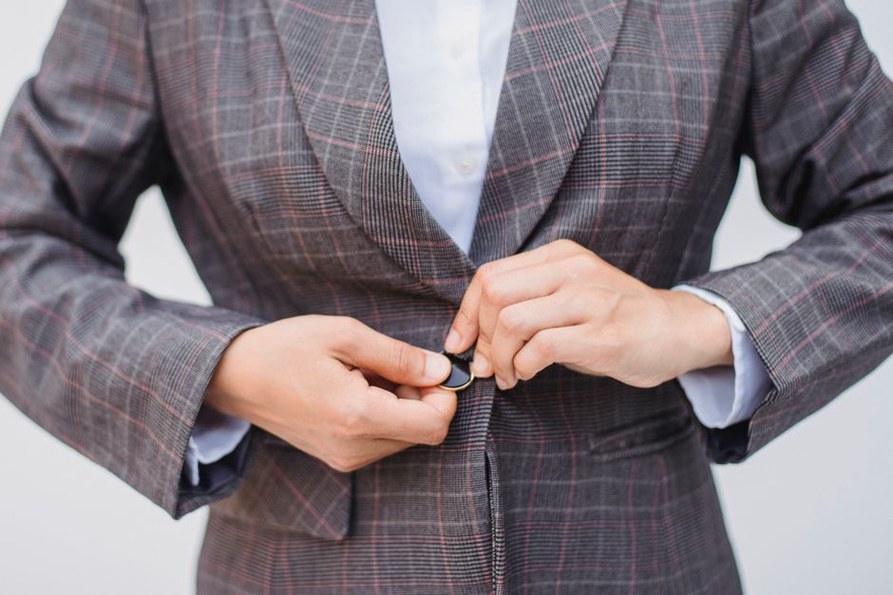
- Modern suit: A velvet ribbon or rounded clip softens sharp lapels. If the suit has conspicuous buttons, a quieter metal finish may work better in the hair.
- Chunky knit and wool coat: A smooth, substantial slide offers a contrast in texture. Check that it won't catch on the coat collar throughout the day.
- Printed dress: Take one colour from the print for a plain bow or comb. A multicoloured piece can work as well; it needn't repeat the pattern.
- Minimal evening outfit: One embellished clip to the side adds a point of light. Give it a little space from large earrings so neither gets lost.
A hat changes the practical side of things. A delicate clip near the edge of a wool beanie can snag or press against your head. A low slide that you put in after taking the hat off may be easier. For more on that particular hat style, see the p399 pompom beanie and British vintage knitwear.
Check the object before planning the outfit
A beautiful find is only worth wearing if its fastening can do the job without being forced. Examine a prospective purchase, or a piece you already own, in good light. Open and close the clasp gently: a sharp scrape or sudden resistance is a warning. Turn it over, too. Loose stones, lifted fabric, rough rivets and sharp teeth matter more in daily wear than a flattering photograph of the front.
Look closely at the materials. Early plastics can be brittle or sensitive to heat, and a seller calling any old-looking plastic ‘Bakelite’ isn't enough to identify it. Take particular care to keep celluloid away from heat and flame. Metal may have tarnish, worn plating or repairs; silk and velvet bows may be weak where they've been folded or tied for years. These signs don't necessarily rule a piece out, but they affect when and how you'll wear it.
When buying second-hand, ask for a clear photograph of the reverse and check the listed dimensions against a ruler. A barrette that looks modest in a close-up might be too wide for the space above your ear; a small comb could get lost in a busy outfit. Labels and period claims are useful clues, but construction, condition and a place in your wardrobe count for more than an attractive story with no evidence. Be wary of newly made pieces presented as authenticated vintage without supporting details.
Wearability is part of the styling
Try the piece at home with the hairstyle and clothes you intend to wear. Turn your head, put on your coat and pick up your usual bag. A clip that stays put while you're standing still may shift as you walk; a comb might meet a high collar. If the clasp needs force, choose a different piece rather than bending it into place.
A discreet modern pin or elastic can support an older ornament without altering it. Let the vintage piece decorate, or secure only what it can safely hold. Avoid gluing anything to a collectible piece for one outfit; a reversible fix gives you more choices later. If the accessory is exceptionally fragile, consider displaying it or wearing it briefly where it won't be knocked, rather than relying on it as an everyday fastener.
After wearing, let the piece dry before putting it away if it has picked up moisture. Where suitable, lift off surface dust with a soft, dry cloth. Don't assume a vintage accessory can be washed or soaked: adhesives, finishes, fabrics and early plastics respond differently. Close clips for storage only if that doesn't strain the mechanism, and keep hard or sharp pieces apart from soft ribbons. Next time you're choosing an outfit, put a favourite slide beside the shirt or knit you plan to wear and check the colours together in daylight.