
How to Care for an Antique Tortoiseshell Hair Comb
Heat, dryness and pressure can harm an old tortoiseshell comb far more quickly than careful use. Leave one on a sunny windowsill, wedge it beneath heavier accessories, or clean it with a modern household polish, and it may warp, develop dull patches or crack beyond repair. Treat it as an aged natural material, never as plastic.
Historically, “tortoiseshell” usually refers to the translucent, mottled material taken from the carapace of the hawksbill turtle. Its amber, honey and deep-brown patterning, along with its ability to soften under heat, made it highly prized. Genuine antique and vintage pieces can have real historical value, but trade in newly sourced tortoiseshell is heavily restricted internationally to protect endangered species. The priority is preserving lawful heirloom pieces already in existence, not creating demand for new material.
First, establish what the comb is made of
Not every brown-and-amber comb is tortoiseshell. Celluloid, early plastics, modern acetate, horn and laminated imitation materials have all been used to achieve a similar appearance. Identifying the material matters because the safest care method can differ considerably.
Real tortoiseshell often has irregular mottling that appears layered, with colour seeming to sit within the material rather than on its surface. Thin edges may be slightly translucent. A well-made antique comb may also show fine hand-finishing around the teeth, pierced details or carved decoration. These signs are not proof on their own: convincing imitation tortoiseshell has been made since the nineteenth century.
Avoid destructive tests sometimes recommended in older collecting guides. A heated pin, solvent, scraped edge or burned fragment can permanently damage an object and may be dangerous. Celluloid, in particular, is highly flammable and can deteriorate unpredictably. If identification matters for insurance, sale, inheritance or museum-level conservation, consult a qualified conservator or a reputable specialist in historic fashion accessories.
The conditions that keep a comb stable
Tortoiseshell is a protein-based natural material, related in practical conservation terms to horn, though it has its own structure and making history. It responds to changes in its surroundings. Repeated movement between central heating, cold rooms, strong sun and damp storage can place the material under strain over time.
Do keep it cool, shaded and consistently dry
A stable home environment matters more than trying to maintain precise figures. Keep the comb away from radiators, fireplaces, hot-water pipes, bathroom steam and direct daylight. A closed drawer or cupboard in a regularly used room is generally safer than an attic, cellar, conservatory or windowsill. Strong ultraviolet light can fade colour and contribute to surface deterioration.
Humidity needs a little balance. Severe dryness can encourage brittleness, while prolonged damp may affect metal fittings, adhesives, textile inserts and the materials stored around the comb. If it has been kept somewhere damp, do not immediately shut it inside an airtight box. Let it acclimatise in a temperate room, away from direct heat.
Do support the teeth and decorative elements
The teeth are usually the most vulnerable part of a comb. Store it flat in archival-quality, acid-free tissue, or in a shallow box lined with clean, undyed cotton or inert foam. Arrange it so that no single tooth carries the piece’s weight. For tall prongs or an elaborate openwork crest, create a simple padded recess in the lining to stop the comb rocking or shifting.
For a small collection, wrap each comb separately rather than stacking them. If several pieces share a drawer, divide them with tissue or soft fabric so teeth and metal mounts cannot scratch one another. Avoid elastic bands, adhesive labels and tightly pressed plastic bags. Some plastics and foams release chemicals as they age, so archival storage suppliers are a sensible source of advice for long-term collection care.
Cleaning: less intervention is usually better
Dust can be removed without turning routine care into an accidental restoration project. Use a very soft, clean natural-hair brush or a photographic-style blower to lift loose dust from carving and between the teeth. Work over a padded towel, so a slip does not lead to a chipped point or broken tooth.
If the comb is structurally sound, pass a dry microfibre cloth very lightly over broad, plain areas. Stop if fibres catch on a split edge, lifting veneer, damaged inlay or loose ornament. Never scrub at a crack to remove dirt from it.
Cleaning do’s
- Do begin dry. Dry brushing and gentle wiping are the safest starting point for old organic materials.
- Do inspect under good indirect light. Before touching the surface, look for fine crazing, pale stress lines, loose metalwork and old glue repairs.
- Do treat a comb with metal, paste stones, piqué work or fabric additions as a mixed-material object. Its components may react differently to moisture and cleaning products.
- Do record its condition. A few clear photographs and a note of existing cracks can show whether damage is changing.
Cleaning don’ts
- Do not soak or rinse it. Water can affect the shell, old adhesives and attached decoration.
- Do not use jewellery dip, washing-up liquid, alcohol, vinegar, toothpaste, polish, acetone or nail-varnish remover. These can abrade, stain, soften or strip surfaces and finishes.
- Do not oil it. Household, furniture and cosmetic oils can darken the surface, attract dust and make later professional treatment more difficult.
- Do not use ultrasonic cleaners or steam. Vibration, heat and moisture are particularly risky around cracks and joins.
- Do not try to bring back shine with aggressive buffing. Patina, fine tool marks and an aged surface are part of a historic object, not dirt to be erased.
Recognising warning signs before they become losses
Examine an older comb occasionally rather than handling it constantly. Fine cracks can appear at the base of the teeth, around drilled holes, near a metal hinge or where a broad crest narrows into the functional section. Warping may show up when a comb no longer rests flat. Delamination can look like thin layers separating at an edge. A white, powdery bloom, a strong camphor-like smell, bubbling or a sticky surface are more suggestive of deteriorating celluloid than tortoiseshell; keep such a piece separate from other accessories.
| What you notice | Best immediate response |
|---|---|
| One loose or cracked tooth | Stop wearing it; support it flat and seek conservation advice before any repair. |
| Surface dust in carved areas | Use a soft dry brush with minimal pressure. |
| Metal pin or mount tarnishing | Avoid polishing in place; the cleaner can damage adjoining shell. |
| Comb has become bent or twisted | Do not heat, soak or clamp it flat; reshaping needs specialist judgement. |
| Sticky, bubbling or sharp chemical odour | Keep it apart from the collection and consult a conservator, as celluloid may be degrading. |
A professional may be able to stabilise a crack, secure a loose mount or assess an earlier repair. A sympathetic repair should remain distinguishable and should not erase the object’s history. Be wary of anyone proposing new drilled holes, sanding away damage, melting a break together or coating the entire comb in resin without a thorough assessment.
Wearing an antique comb without asking too much of it
An intact comb in good condition may still be worn carefully for special occasions, but use should reflect its condition. Fine early examples were often made for dressed hair, not for forcing through thick, tangled or heavily sprayed sections. Insert the teeth into a prepared, smooth section of hair, and do not lever the comb once it is in place. Remove it in the direction it entered rather than pulling it sideways.
Keep hair spray, dry shampoo, fragrance and styling products away from the comb itself. Residue can settle in the teeth and pierced decoration, making later cleaning riskier. Put the comb in once products have settled, and take it out before brushing through the style. Never leave an old comb loose in a handbag, where keys, spectacle cases and cosmetics can press against it.
If a comb has a fracture, missing tooth, repaired crest, thin decorative plaque or signs of distortion, retire it from wear and display it safely instead. A contemporary acetate piece can offer a similar silhouette for everyday dressing while the historic comb remains protected. For comparison with a later, sturdier accessory form, our collector’s guide to the mid-century rectangle barrette traces the features of that classic design.
Display, travel and documentation
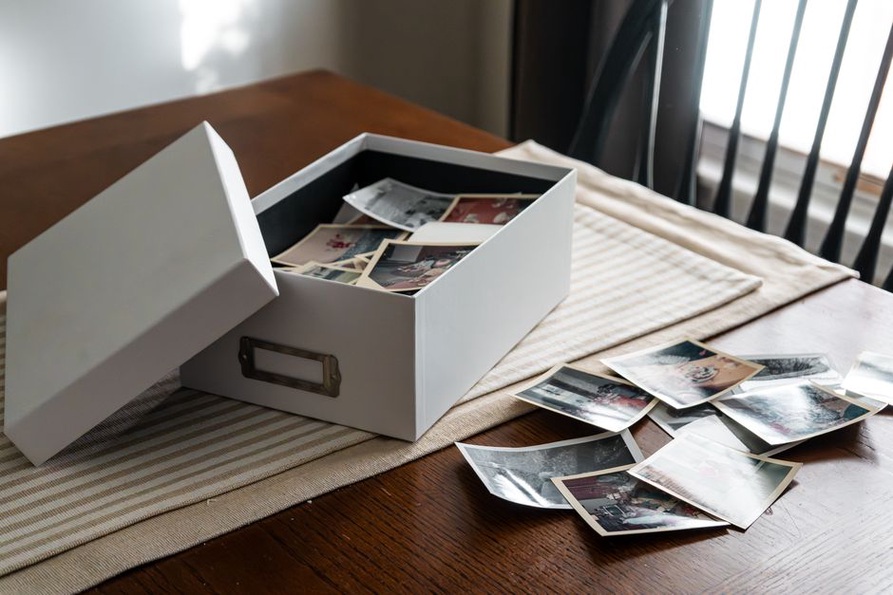
Open display can be appealing, but it brings light, dust and a greater chance of accidents. If you display a comb, choose a shaded interior wall and a secure mount that supports the body rather than suspending its weight from a tooth or drilled opening. Do not use glue, pins, wire or adhesive putty. A small purpose-made acrylic or padded textile support is safer, provided the comb can be removed without flexing it.
For travel, wrap the comb in acid-free tissue and place it in a rigid lidded box. Fill any empty space with soft tissue so it cannot move around. Carry it in hand luggage rather than checked baggage when possible, and never leave it in a car: interiors can become surprisingly hot even on a mild British day.
Keep a simple record with photographs of the front, back and profile, along with dimensions, marks, provenance and visible repairs. It helps with insurance and later identification, while reducing unnecessary handling when relatives or specialists need to understand the piece. If a long-held comb is being passed on, place a small note in its box: “do not soak, heat or polish”. That practical reminder can prevent a great deal of well-meant damage.