
The Scallop Claw Clip: A British Vintage Revival for Modern Hair
The scallop shell has adorned British hair for centuries, from the carved tortoiseshell combs of the Victorian era to the glossy resin slides of the 1980s. Its gentle fan of ridges speaks of seaside holidays, romantic revivalism, and a quiet elegance that never quite leaves fashion. Today, that same silhouette appears in the p461 maisonarchives scallop claw clip barrette — a piece that marries the old-world charm of a shell motif with the practical, secure grip of a claw clip. For collectors and everyday wearers alike, this accessory offers a rare bridge between the ornate hair jewellery of our grandmothers and the effortless styling of the present.
What Makes a Scallop Claw Clip Different?
At first glance, a claw clip might seem purely functional — a hinged plastic or metal barrette that snaps shut to hold a twist or bun. But the scallop version introduces a deliberate nod to natural form. The teeth of the clip are shaped like the radiating ribs of a shell, and the outer curve mimics the rounded, scalloped edge. This is not a generic hair clip; it is a piece of wearable sculpture. The maisonarchives design takes this further by using a warm, translucent acetate that catches light like real mother-of-pearl, often in shades of mottled tortoiseshell or creamy ivory.

The claw clip mechanism itself is a mid-20th-century innovation, popularised in Britain during the 1960s and 70s as an alternative to heavy metal barrettes. Earlier versions were made from cellulose acetate or early plastics, and the scallop motif was a favourite among designers who wanted to evoke the Art Nouveau love of organic curves. The maisonarchives piece is a faithful revival of that era — not a reproduction of a single original, but a composite of the best features: the comfortable spring hinge, the wide grip suitable for thick hair, and the sculpted shell shape that sits flat against the head.
Materials and Craftsmanship
Understanding the materials is key to appreciating any vintage-style hair accessory. The p461 scallop clip is made from high-quality acetate, a plant-based plastic that has been used in hair ornaments since the early 1900s. Unlike modern injection-moulded plastics, acetate can be hand-polished to a deep lustre, and its slight translucency allows light to play through the shell ridges. The clip’s hinge is a stainless steel spring, often plated with a matte finish to avoid tarnishing. Collectors should look for even colour distribution, smooth edges where the teeth meet the spine, and a spring that opens and closes with a firm, even pressure — not too loose, not too tight.
If you are drawn to the look of natural shell but prefer an ethical alternative, acetate is an excellent choice. It mimics the warmth of real tortoiseshell without any of the conservation concerns. The maisonarchives clip is also lightweight, which is a practical advantage: it stays put without pulling on the hair or causing headaches, a common complaint with heavy metal barrettes.
Styling the Scallop Clip with a Modern Wardrobe
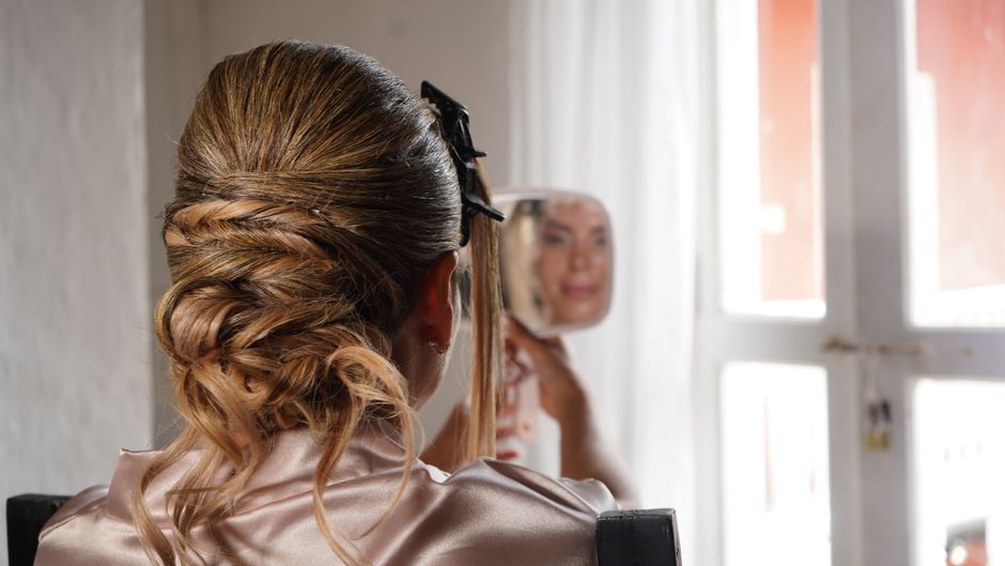
How do you wear a piece that feels both vintage and contemporary? The scallop claw clip works beautifully in a low chignon or a half-up twist, where the shell shape can be seen in profile. For a more casual look, gather the top section of hair and secure it with the clip at the crown — the scallop ridges become a subtle decorative element against the hair. If you have shorter hair, the clip can hold a side sweep or a small French twist at the nape. The key is to let the clip sit where it can be admired, not hidden inside a bun.
Pair it with a soft, fluid dress or a crisp linen blouse — the organic shape of the shell offsets structured tailoring. For evening, try it with a velvet headband or a silk scarf tied around the base of the clip. The warm tortoiseshell tones complement autumn colours (ochre, rust, deep green) and also work with the cool greys and blues of a British winter wardrobe. Avoid overloading the hair with other accessories; the scallop clip is strong enough to stand alone.
A Collector’s Perspective: Where This Clip Fits
For those who already own a few vintage hair clips, the maisonarchives scallop piece sits comfortably alongside earlier finds. It echoes the shell motifs seen in Edwardian dresser sets and the later 1970s resin clips that were often sold in British department stores. If you have a particular fondness for leaf-shaped barrettes, you will recognise the same attention to natural detail here. In fact, the scallop clip shares a design philosophy with the p198 Leaf Hairclip: A Collector’s Guide to a British Vintage Treasure — both pieces use organic silhouettes to bring a quiet, botanical elegance to everyday hair styling. The difference is the scallop’s maritime character, which feels especially fitting for coastal-inspired looks or summer events.
Another close relative is the Store p176 Ivy Barrette: A Blue Vintage Hair Clip from Mid-Century Britain. While the Ivy barrette is a flat, hinged clip with a painted ivy motif, the scallop claw clip is three-dimensional and sculptural. Together, they show the range of vintage-inspired design: one painted, one carved; one flat, one curved. Both are worth seeking out for a balanced collection.
Care and Storage for Your Claw Clip
Acetate is durable but sensitive to heat and strong chemicals. Never leave a claw clip in direct sunlight for long periods — the colour can fade or become uneven. Avoid contact with hairspray, perfume, or dry shampoo until the product has dried, as the solvents can cloud the surface. To clean the clip, wipe it gently with a soft, dry cloth. If it becomes sticky from old hair product, use a tiny amount of mild soap on a damp cloth, then dry immediately.
Store the clip in a fabric-lined box or a soft pouch, separate from metal accessories that might scratch it. The spring hinge will last for years if you do not force it open beyond its natural range. When you close the clip, let it snap shut gently — do not press the teeth together with extra force. If the spring becomes sluggish, a single drop of lightweight sewing machine oil on the hinge pin can restore smooth movement. This simple maintenance will keep the clip functioning like new.
A Final Practical Note on Spring Tension
Before you buy or wear a vintage-style claw clip, check the tension. A clip that is too loose will slide out of fine or thin hair; one that is too tight can crease or even break strands. The ideal claw clip should hold a small section of hair (about the width of two fingers) without slipping when you shake your head gently. The maisonarchives scallop clip is designed with a medium tension that suits most hair types, but if you have very thick or very fine hair, test it first with a small twist. The scallop shape itself helps distribute pressure evenly across the teeth, reducing the risk of hair pulling. That attention to comfort — as much as to beauty — is what makes this accessory a true keeper for the modern vintage enthusiast.