
The Phoebe’s Scrunchy: A Vintage Velvet Time Capsule from 1990s London
You know the feeling: sifting through a charity shop bin in Camden, finding a scrunchie that's tired and frayed. Then one surfaces that makes you stop—a deep aubergine velvet loop, fabric plush, elastic taut. That's the sensation of unboxing the store p267 Maison Archives Phoebe's Scrunchy. It's a time capsule of British high-street-meets-grunge, not just a scrunchie, and it deserves a proper introduction rather than a hasty tuck into a drawer.
What Makes the Phoebe's Scrunchy Distinct?
Maison Archives has catalogued this piece under the reference p267, and it belongs to a small run of scrunchies produced in the mid‑1990s, likely for a boutique in London's West End. The fabric is a matte velvet with a subtle nap, dyed in a shade that oscillates between plum and chocolate depending on the light. The construction is notably generous: the diameter of the gathered loop is 12 cm, and the elastic band inside is a wide, flat band that resists the dreaded sagging. Unlike the cheap nylon scrunchies that flooded the market later, this one uses a cotton‑rayon velvet and a hand‑stitched channel. The seam is hidden inside the gathering, and the finish is so clean that you can wear it with the part turned outward without it looking sloppy.
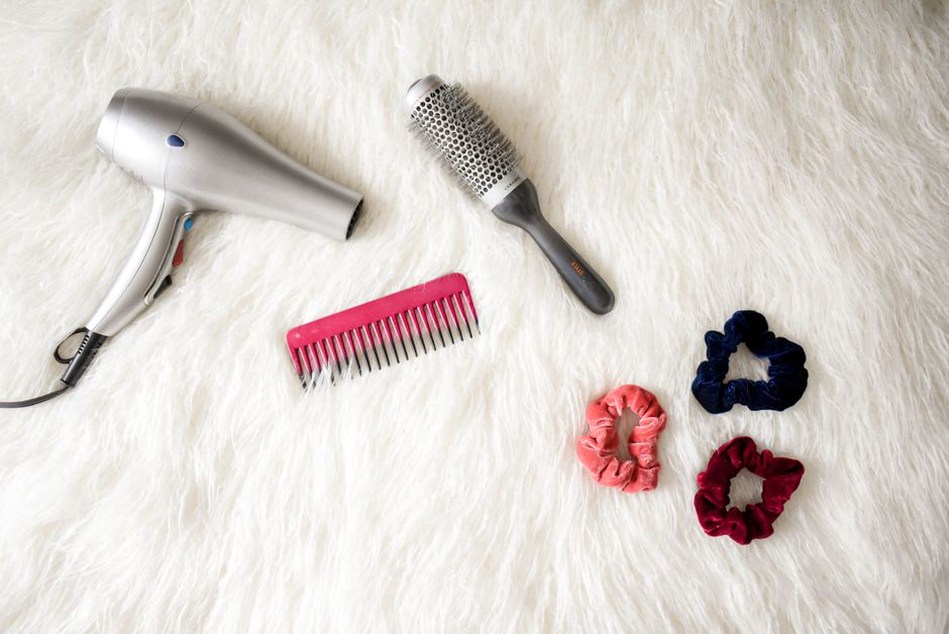
The name "Phoebe" is handwritten on the archive tag, which suggests it may have been a sample for a character in a television show or a film. While the exact connection remains unconfirmed, the style fits the mid‑1990s British aesthetic: think the messy up‑dos of This Life or the careless elegance of a young Kate Moss. The scrunchie was never intended to be a prim, polished accessory; it was meant to hold a ponytail that looked effortless, even a little bit undone.
The Scrunchy's Place in British Fashion History
The p267 scrunchie sits at a key moment in British fashion. The scrunchie arrived in the 1980s as a gentle alternative to tight elastic hair ties that left creases. By the early 1990s, it had become a staple of the girl‑next‑door look, but it was also adopted by the Britpop scene. Blur's Damon Albarn might not have worn one, but the women in the crowd certainly did. The scrunchie was democratic: it cost little, came in every colour, and required no skill to use.
Yet by the end of the decade, the scrunchie was dismissed as juvenile, and it largely disappeared from mainstream fashion. The revival began in the late 2010s, driven by the same nostalgia that brought back slip dresses and chunky trainers. Today, the scrunchie is worn by influencers and archivists alike, but the quality of the vintage originals is rarely matched by modern reproductions. The Phoebe's Scrunchy represents the peak of that era's construction: a piece that was made to last, not to be thrown away after a few wears.
Materials and Craftsmanship
The velvet of the p267 is the star. It is a dead‑stock fabric: a rayon‑cotton blend with a short, dense pile that does not crush easily. Under a magnifying glass, you can see the individual threads of the weft, tightly woven. The colour is not uniform; it has a depth that comes from a double‑dye process, common in high‑end British textiles before the industry moved to cheaper synthetics. The elastic inside is a 2 cm wide, non‑roll type that is still supple after thirty years. This is rare. Most vintage scrunchies by now have dry, crumbling elastic. The fact that the p267 retains its bounce suggests it was stored properly—likely in a dark, dry box, away from sunlight and humidity.
How to Wear the Phoebe's Scrunchy Today
Wear it with a low ponytail at the nape of the neck, a half‑up style, or wrapped around a bun. For a modern silhouette, try a centre part with a sleek, low ponytail, securing it with the scrunchie placed just below the elastic band to create a soft, voluminous loop. The velvet texture adds a subtle richness that complements a crisp white shirt or a cashmere jumper. It also works as a wrist accessory—simply slide it on and let it sit as a bracelet.
If you are concerned about the scrunchie slipping, a small trick is to use a thin, clear elastic underneath to anchor the hair, then wrap the scrunchie around it. This preserves the vintage piece's condition while giving you a secure hold. Avoid wearing it on wet hair, as moisture can cause the velvet to lose its nap and the elastic to degrade faster.
Care and Storage
Because the Phoebe's Scrunchy is a vintage textile, standard cleaning methods can damage it. The best approach is to spot‑clean with a damp cloth and a tiny drop of mild soap, then air dry flat. Never machine wash or tumble dry. For storage, keep it in a cotton bag or a compartment away from metal hair clips that could snag the velvet. If you are building a systematic collection, you might find it useful to adopt a method that keeps similar items together. The C14 system for storing vintage hair accessories works particularly well for scrunchies, as it uses acid‑free tissue and breathable containers that prevent the fabric from yellowing.
Elastic is the most vulnerable part of any scrunchie. If you notice that the p267's elastic has started to stretch, you can replace it by carefully opening the seam at one end, removing the old elastic, and threading a new piece of the same width through the channel. This is a straightforward repair for anyone with basic sewing skills, and it extends the life of the scrunchie indefinitely. Maison Archives recommends using a non‑roll elastic, which you can find in most haberdashery shops.
Finding Similar Pieces
While the p267 appears to be a one‑off archive piece, the same era produced scrunchies in similar velvet from brands like Karen Millen, Oasis, and even the high‑street chain Morgan. Look for a wide gathered loop (at least 10 cm), a hidden seam, and a fabric that feels substantial rather than flimsy. The tag is often a giveaway: if it says "Made in England" or "UK" on a 1990s label, it is likely a quality garment. The colour palette of the 1990s—burgundy, forest green, navy, and charcoal—dominates the best finds.
A Final Note on the p267
One detail that collectors often overlook is the way the scrunchie's gathering is stitched. On the Phoebe's Scrunchy, the gathers are evenly spaced and the threads are double‑twisted, a technique that prevents the fabric from bunching unevenly over time. When you hold it in your hand, you can feel the weight of it—a little heavier than a modern scrunchie, a sign of the dense velvet and the substantial elastic. That weight tells you that this piece was made with an intention to be worn, not just photographed. If you ever come across a scrunchie that feels like that, you've found a piece of British fashion history that still works on a rainy Tuesday afternoon.