
The Sukie Barrette: A Quiet Classic from MaisonArchives
The Sukie barrette from MaisonArchives—catalogued as store p262—is one of those rare accessories that seems to hold a decade’s worth of stories in its quiet curves. When you hold it, the first thing you notice is the weight: not heavy, but substantial, as if the tortoiseshell acetate was poured into a mould that had been waiting for just the right moment. The surface is smooth, with a subtle amber gradation that deepens toward the edges, and a gentle scalloped outline that catches the light without shouting. This is not a barrette that demands attention; it earns it through patience and detail.
The Design of the Sukie Barrette
The Sukie belongs to a family of mid-century barrettes that prioritised form and function in equal measure. Its rounded silhouette—about three inches long and just under an inch wide—slips into the hair with a natural feel, gripping firmly via a spring-loaded metal clasp that has proven remarkably resilient over decades. The tortoiseshell pattern is not printed on but achieved through layered acetate, meaning no two pieces are exactly alike. On the surface you might see a tiny MaisonArchives stamp, often faint, always a mark of authenticity. The barrette’s name, “Sukie,” suggests a softness, a friendliness, that matches its easy elegance.
A Brief History of MaisonArchives
MaisonArchives was a British workshop active from the late 1940s through the 1970s, known for producing hair accessories that blended traditional craftsmanship with the clean lines of modern design. The “p” in the product code (p262) stands for “piece,” a numbering system the company used to track its growing catalogue. The Sukie barrette appears to have been produced in the early 1960s, a period when tortoiseshell-inspired acetate was at its peak in British fashion. Unlike some of the more extravagant pieces from the maison—such as the dramatic turban headbands or the enamel-studded clips—the Sukie was made for everyday wear. It was a barrette you could pin into a tidy chignon for a day at the office or slide into a loose half-up style for a weekend walk along the coast.
Collectors today often find the Sukie in unexpected places: a charity shop in Brighton, a vintage fair in Shoreditch, or tucked into a box of buttons at a country estate sale. The condition is usually good, thanks to the acetate’s durability, but the metal clasp can sometimes lose its spring. If you come across one, test the closure gently—it should open and close with a satisfying click.
How to Wear the Sukie Barrette Today
The beauty of the Sukie is its versatility. Here are a few ways to incorporate it into a modern wardrobe:
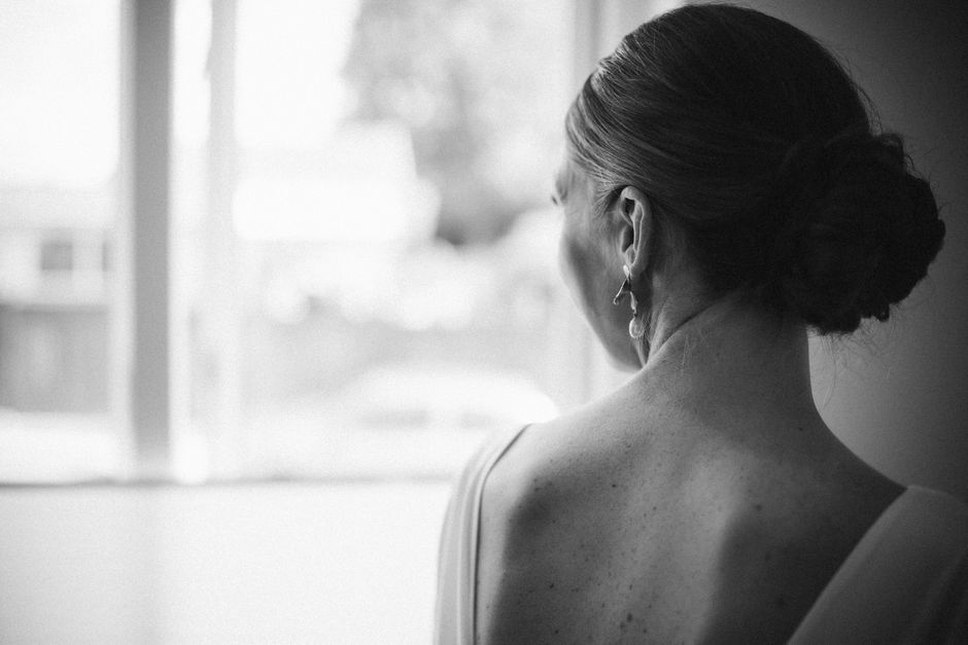
- Low chignon: Gather your hair at the nape of the neck, twist into a loose bun, and secure the Sukie horizontally across the centre. The tortoiseshell tone complements greys, brunettes, and reds especially well.
- Side sweep: Pin the barrette near the temple on the side you tuck your hair behind. It adds a hint of vintage without feeling costume-like.
- With a silk scarf: Tie a small silk scarf around a ponytail, then slide the Sukie over the knot to hold it in place. This look echoes the 1960s British cinema style featured in the article on Vintage Hair Accessories in British Cinema: Iconic Looks from the Silver Screen.
- Layered with other clips: For a relaxed, contemporary feel, combine the Sukie with a smaller metal barrette or a velvet scrunchie. The contrast in textures keeps the look fresh.
The Sukie also works well with different hair lengths. On shorter cuts, it can hold a small twisted section near the crown; on longer hair, it can secure a French twist or act as a subtle accent along a braid.
Caring for Your Vintage Barrette
Acetate is a semi-synthetic material that can become brittle if exposed to heat or direct sunlight for long periods. To keep your Sukie barrette in prime condition:
- Store it in a soft pouch or a lined jewellery box, away from radiators and windows.
- Clean the surface with a dry, lint-free cloth only. Avoid water, alcohol, or acetone, which can dull the finish or cause the acetate to cloud.
- If the clasp becomes stiff, apply a tiny drop of sewing machine oil to the hinge mechanism (not the hair plates) and work it gently. This is a trick recommended by experienced restorers.
For broader advice on preserving vintage accessories, including guidelines on storing silk and velvet, the How to Store Maison Archives C13 Vintage: A Collector's Guide to Preserving Silk, Velvet, and Hair Accessories offers detailed steps that apply to the Sukie as well.
Why the Sukie Endures
What makes the Sukie barrette more than just a pretty object is its quiet refusal to be dated. It doesn’t belong to a specific trend—you won’t see it in a decade’s nostalgia cycle or on a runway revival. It exists in its own time, and that time happens to be now, if you know how to wear it. The next time you come across a store p262 MaisonArchives Sukie barrette, take a moment to examine the clasp, the colour, the little stamp. It’s a piece that has travelled through decades, waiting for someone who will appreciate its understated craftsmanship. Slide it into your hair, and you become part of that journey—one that began in a small British workshop and continues, today, in your own reflection.