
Travelling with Vintage Hair Accessories: A Collector’s Travel Guide
The first time I packed my mother’s Edwardian tortoiseshell comb for a weekend in Paris, I wrapped it in a cotton scarf and tucked it into my toiletry bag. By the time I reached the hotel, the heat and humidity had caused the celluloid to let go of its inlaid silver—a tiny, heartbreaking loss that could have been prevented. That mistake taught me that travelling with vintage hair accessories requires as much forethought as hunting for them. Whether you are a seasoned collector or new to the pursuit, understanding how to protect these delicate pieces while on the road makes all the difference between a joyful trip and a lesson learned the hard way.
Packing Your Vintage Finds: Materials Matter
Each material used in vintage hair accessories reacts differently to travel conditions. Celluloid, common in early 20th-century combs and slides, is highly sensitive to heat and pressure. It can warp, bubble, or even ignite if packed near direct sunlight or hot car interiors. Bakelite, while more robust, can still crack under sudden temperature changes—avoid leaving it in a cold boot of a car and then bringing it into a warm room. Metal accessories, such as silver or gilt slides, are prone to tarnish from humidity; a quick rub with a polishing cloth before packing helps. Horn and bone need stable moisture levels; too dry and they split, too damp and they soften. ]
- Wrap each piece individually in acid-free tissue paper—never newspaper, as ink can transfer.
- Use a padded jewellery case with individual compartments, or a small rigid box with a lid.
- Carry delicate pieces in your hand luggage—checked baggage is a gamble with temperature and rough handling.
- For long journeys, include a silica gel packet to control humidity inside your case.
Destination Hunting: Where to Look for Vintage Hair Accessories
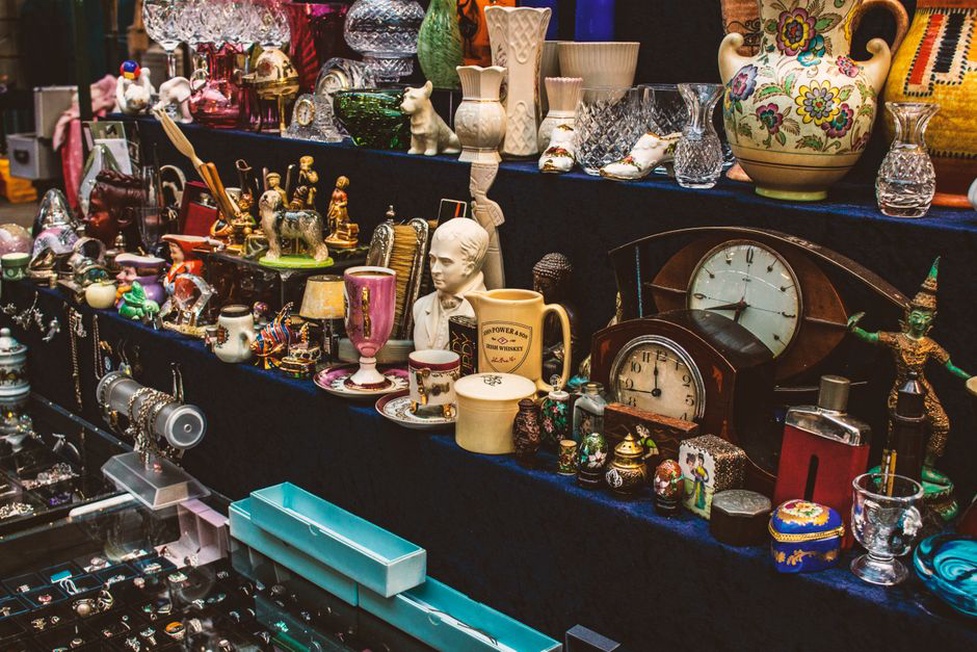
Britain remains one of the finest territories for finding pre-1950s hair accessories at moderate prices. London’s Portobello Road Market, especially the arcades on Fridays and Saturdays, often yields Bakelite hair slides and Edwardian back combs. The Spitalfields Antiques Market offers a rotating selection of smaller stalls where you can find rare Art Deco butterfly clips. Outside London, Bath’s antique centre on Broad Street has a dedicated dressing-table section, and Brighton’s North Laine is a treasure house for horn and celluloid hairpins from the 1920s. If you venture to continental Europe, Paris’s Marché aux Puces de Saint-Ouen has several dealers specialising in French tortoiseshell bird motifs and gilt hair ornaments from the Belle Époque—just remember to ask about CITES regulations before bringing horn or tortoiseshell home across borders.
Tips for Market Hunting
- Arrive early for the best selection; later may yield lower prices as dealers want to go home lighter.
- Carry a small notebook and pencil to note hallmarks, materials, and dealer names—photographs can be intrusive.
- Ask politely if you can handle the piece; many dealers appreciate respect for fragile inventory.
- Learn a few key terms: “dressing table ornaments,” “hair slides,” “back combs,” “Spanish combs.” Dealers may not list them as hair accessories.
Combining Sightseeing with Search: A Day in the Life of a Vintage Hunter
A typical day for a vintage hair accessory enthusiast in a new city might start with a morning at the local antiques market—coffee in hand, eye trained for unassuming cardboard boxes. By midday, after a light meal, you could visit a museum with a costume or jewellery collection to study period styles up close. The Victoria and Albert Museum in London has an exceptional range of hair ornaments from the 18th to the mid-20th centuries; seeing how tortoiseshell combs were actually worn gives you a better eye for authentic pieces. Afternoon is good for smaller charity shops and estate sales, where family lots sometimes include forgotten dresser sets. Evening is the time to inspect and clean your day’s finds: a soft, dry cloth removes dust, and a delicate brush works into the teeth of combs. Resist the urge to polish anything silver you just bought—overzealous cleaning can remove valuable patina. Instead, wait until you are home and can research the piece properly.
On-the-Go Maintenance: Keeping Your Treasures Safe
While travelling, avoid exposing vintage accessories to direct sunlight for long periods, especially if the piece is made of lightweight plastic or resin. Store your collection in a dedicated pouch kept away from heat sources—never on a windowsill or near a radiator in a hotel room. If a comb becomes slightly warped during the journey, you can gently reshape it once home by placing it between two pieces of soft cloth and applying light heat with a hairdryer on lowest setting (for celluloid only; never for horn or metal). For tarnished metal wire ornaments, a quick pass with a silver cloth (avoiding any rhinestones or enamel) will keep them presentable for evening wear. Always carry a small repair kit: fine tweezers, a jeweller’s screwdriver (for hinge repairs on slide clasps), and a tiny tube of archival-quality adhesive for loose gemstones.
The Etiquette of Buying Abroad
When purchasing vintage hair accessories from markets abroad, it is wise to ask for a receipt with the seller’s name and date, especially for horn or tortoiseshell items. European union countries still require customs declarations for antique materials covered under CITES—a species protection treaty that governs the trade of elephant ivory, tortoiseshell, and whalebone. Without proper documentation, your prized find could be confiscated at the airport. In the UK, reputable dealers will provide paperwork; if a seller hesitates, consider whether the piece might contain an endangered material. For Bakelite and celluloid, there are no trade restrictions, but you should still examine the piece closely: check for Bakelite’s distinctive formaldehyde-musk smell (rub the surface with a thumb to release the scent) and look for patent marks or maker’s stamps that confirm age. A magnifier torch and a small pair of cotton gloves are indispensable tools for the travelling collector.
Bringing Them Home: Customs and Care
Upon returning, unpack your finds immediately. Remove any wrapping and let them breathe for a few hours in a stable indoor environment. Check for any signs of damage that occurred during transit—small hairline cracks can be stabilised with conservation-grade consolidants, but only after the accessory has acclimatised to its home environment (at least 24 hours). If you travelled with a particular piece, such as a favourite velvet bow, now is the time to gently steam it (from a distance) to restore its shape. For long-term storage after travel, our guide on Summer Care for Vintage Hair Accessories: Lessons from August 2017 offers detailed advice on controlling humidity and handling temperature shifts—essential knowledge after a journey. And if you discovered a piece that belonged to a family friend or a distant relative during your travels, the spirit of passing down these objects is beautifully explored in our article on Family Heirlooms: Passing Down Vintage Hair Accessories.
When you slip that newly acquired Edwardian comb into your hair for the first time at a dinner in Edinburgh or a countryside wedding, the pleasure is doubled by the story of how it crossed a border, survived a train ride, and found a new home. Before your next trip, invest in a small padded jewellery case with movable dividers—it will save you more than one heartache and ensure your collection grows only in beauty, never in loss.