
Family Heirlooms: Passing Down Vintage Hair Accessories
The first time I saw a great-grandmother's hair comb passed down at a family gathering, it wasn't in a glass case or a museum. It was handed from aunt to niece over Sunday tea, wrapped in a soft cloth. The comb was a simple Edwardian piece of tortoiseshell—warm amber with a gentle curve—and the niece, maybe twelve, held it like a rare bird. That moment captures what family heirlooms can do: connect us to a history we can touch, wear, and reinvent.
For collectors of vintage hair accessories in Britain, keeping these pieces inside the family feels both practical and deeply personal. Unlike most modern accessories, a well-made Victorian hair fork or a 1950s French clip can last decades if cared for. The real challenge isn't just preservation—it's passing on the stories and the care rituals so the next generation sees them as more than old trinkets.
Why Some Accessories Become Heirlooms
Not every vintage piece becomes family treasure. The ones that survive share a few traits: sturdy build, timeless shape, and a material that ages well. Celluloid combs from the 1920s, for example, turn brittle and discolour in heat or light. But a well-made silver hair slide or a horn comb from the early 1900s often gets better with time, developing a patina that feels personal.
One iconic British accessory that turns up in family collections is the straight jacket comb—a long, slender comb used to hold pinned-up hair. Its simple silhouette has been in use for over a century, so grandmothers and grandchildren both recognise it. If you have one in your inheritance, you're holding a slice of social history that spans Edwardian ballrooms, wartime austerity, and the 1990s vintage revival. For a closer look at this shape, check out the article on The Straight Jacket Comb: A Century of British Style in One Accessory.
Practical Steps for Passing Down a Collection
If you've built a collection of vintage hair accessories and want it to stay in the family, a bit of planning now saves heartache later. Here are steps that collectors I know have found helpful:
- Document each piece. Note the approximate date, material, where you bought or inherited it, and any anecdotes. A small notebook or a simple digital file works. That turns a box of objects into a family archive.
- Teach handling early. Let younger family members hold a sturdy piece under supervision. Explain why bakelite needs gentle wiping and why celluloid should stay away from radiators. Kids who learn to respect the material are far less likely to damage it later.
- Create a 'wearing tradition'. Pick one accessory that can be worn at family celebrations—a mother-of-pearl hairpin for weddings, a velvet bow for Christmas dinners. When the same piece appears year after year, it becomes a familiar landmark in family memory.
- Store with care, but not in a vault. Acid-free tissue, a wooden box away from sunlight, and a silica gel packet in humid months are enough. If a piece is never seen, it will be forgotten. A small display on a dressing table or in a glass-fronted cabinet invites curiosity.
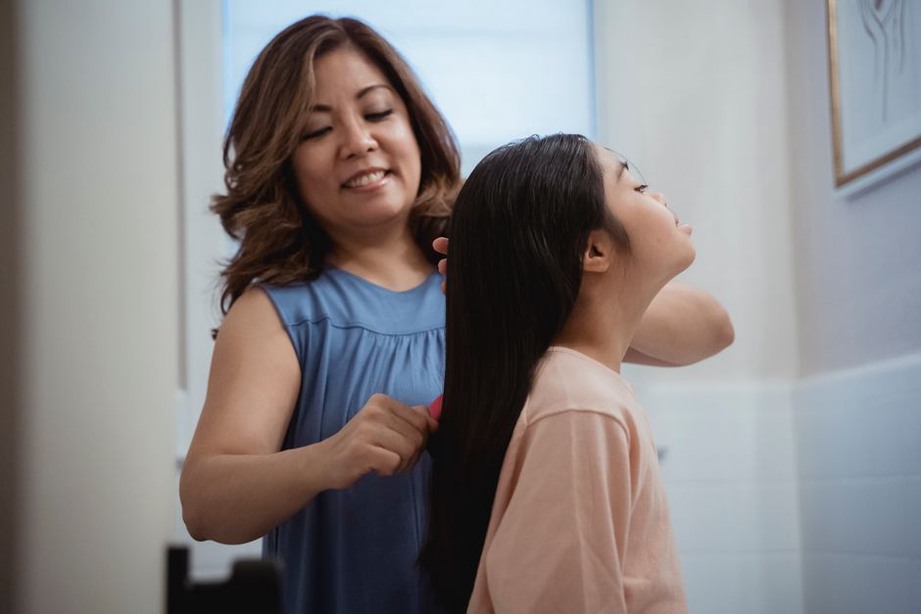
Involving the Next Generation Without Preaching
The surest way to make a teenager roll their eyes is to lecture them about history. Instead, let the accessories speak. A 1960s metal hair bow with a swinging charm can be just as appealing to a young person as a new fast-fashion piece—and often better made. Encourage them to wear it with a modern outfit: a sleek bun with a vintage silver clip, or a half-up style with a small celluloid barrette. When they see the accessory works in their own life, the connection feels real.
I saw this happen with a friend's daughter, who now regularly borrows her mother's 1970s enamel hair forks for school. She doesn't care about the decade; she cares that the fork stays put and that no one else has one like it. That individual spark is exactly what keeps a collection alive.
When a Piece Needs a New Home Outside the Family
Not every vintage accessory will find a willing recipient in the next generation, and that's fine. If you have duplicates or pieces that don't resonate with your children, consider passing them to a younger collector who will treasure them. The goal isn't to hoard, but to ensure the object continues to be used and loved. A carefully chosen gift to a friend's child or a local vintage enthusiast can be just as meaningful as keeping it within the bloodline.
One practical way to manage this is to keep a simple inventory. If you've already started cataloguing your collection digitally, the guide on Logging Into Your Vintage Accessories Account: A Calm Collector's Guide can help organise records that are easy to share with family later.
A Final Detail on Storage for Family Longevity
Among the most common mistakes I see in family heirlooms is storing metal hair accessories in the same box as tortoiseshell or horn. The metals can tarnish and react with the organic materials, leaving discolouration that's nearly impossible to reverse. Use separate compartments or wrap each piece in a soft, lint-free cloth. For silver pieces, a small anti-tarnish strip in the drawer works wonders. This single step can keep a family collection intact for another fifty years—and that's a gift worth passing on.