
The Wool Blazer No. 8: A Vintage Wardrobe Staple Revisited
Ask a seasoned vintage collector what single garment bridges the gap between a 1940s utility suit and a 1980s power-dressing silhouette, and the answer is often the same: a well-cut wool blazer. Among the countless iterations produced in British mills over the past century, one particular reference has quietly earned a cult following among connoisseurs of classic tailoring: the Wool Blazer No. 8. Not a brand name, not a designer label, but a construction code that appears on the inside labels of a small but distinctive group of jackets made between the late 1950s and the mid‑1970s. Understanding what the “8” signifies — and why these blazers still command attention today — requires a look at the fabric, the cut, and the quiet philosophy behind them.
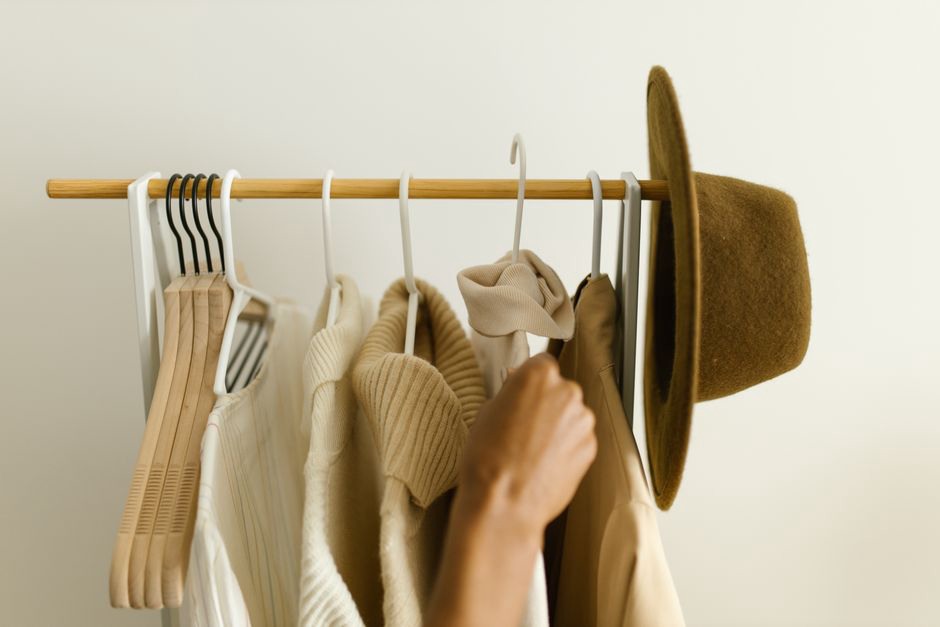
What the “No. 8” Really Means
In the language of Savile Row and the better ready‑to‑wear houses, a number like “8” could refer to anything from a pattern block size to a specific cloth weight. In the case of these blazers, the “8” denotes the drape and structure index used by a now‑defunct Huddersfield mill that supplied cloth to several London tailoring houses. A No. 8 cloth was a worsted wool woven with a slightly looser twist than standard suiting, giving it a soft, fluid fall that held a crease without feeling stiff. The resulting jacket moved with the wearer rather than against them — a quality prized by women who wore blazers over dresses and by men who wanted a sports coat that didn’t fight the shoulders.
The mill produced this specific weave for only about eighteen years, and the cloth was never mass‑exported. Most surviving examples are found in the UK, often with labels like “Schwarz & Co. Tailors – London” or “Harrods Private Label” stamped underneath the No. 8 code. The scarcity of the fabric itself makes these blazers a genuine vintage find, not a reproduction.
Cut and Silhouette: The Golden Thread
The Wool Blazer No. 8 follows a silhouette that changed subtly over its production run. Early examples (late 1950s) have a nipped waist, three‑button front, and slightly wider lapels — a shape that worked beautifully with full skirts and the emerging A‑line. By the late 1960s, the blazer evolved to a two‑button, straighter cut with patch pockets, reflecting the shift toward more casual tailoring. What remained constant was the shoulder: a natural, unpadded roll that let the wool speak for itself.
For the vintage‑minded dresser, this means a No. 8 blazer can be worn with almost any decade’s accessories without looking costume‑like. The neutrality of the cloth (usually charcoal, navy, or a heathered brown) acts as a canvas for bolder hair pieces. A structured blazer calls for a complementary structure in the hair — which is where a well‑placed vintage clip or comb can anchor the whole look.
How to Identify a Genuine No. 8 Blazer
Because the “8” marking is not a famous brand, many excellent vintage blazers carry it without fanfare. Here is what to look for when you come across one in a charity shop or at a vintage fair:
- Label check: The interior label will usually have a small woven tag with “No. 8” or “8 oz” in a serif font, often accompanied by a mill name like “J. T. & Sons, Huddersfield”.
- Fabric hand: The wool should feel dense yet pliable. If you pinch the fabric, it should not feel rubbery or stiff; a genuine No. 8 cloth has a dry, soft finish.
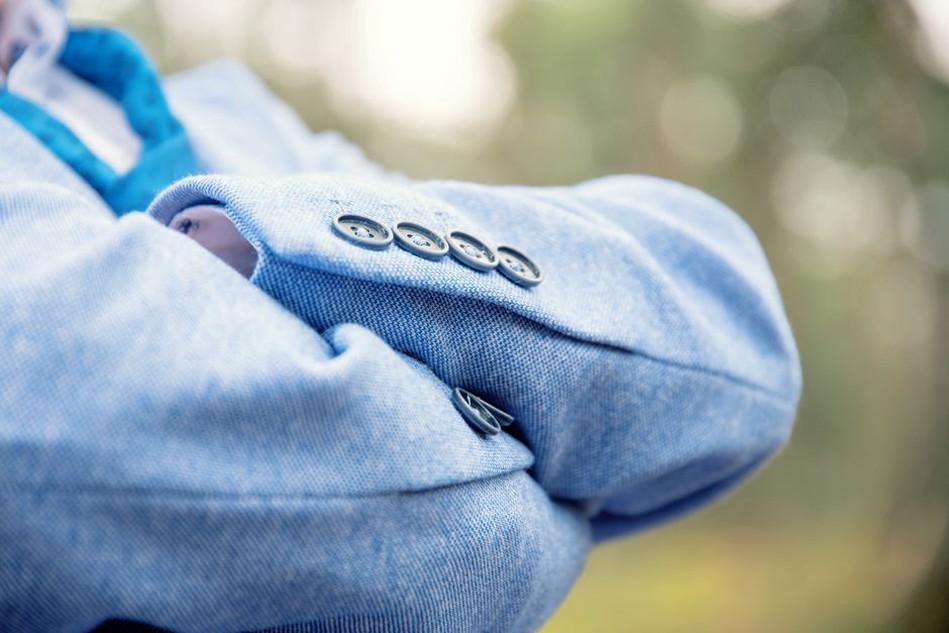
- Button material: Original blazers used horn or corozo nut buttons, never plastic. The buttons will show slight colour variation and a matte surface.
- Construction details: Look for hand‑finished buttonholes (the thread will have a slight irregularity) and a full canvas front — you can feel a crisp layer between the outer wool and the lining.
If the blazer has been altered, check the sleeve length and shoulder seam. Many were shortened in the 1970s, but a good tailor can restore the original proportions. The lining is often the first thing to wear out; a replacement lining in a complementary silk or viscose is perfectly acceptable and does not diminish the value.
Caring for Your Wool Blazer No. 8
Wool from that era was woven with natural oils that gave it a certain resilience, but it still demands respect. Here is a practical care routine that keeps the blazer in rotation for years:
- Air, don’t wash. After wearing, hang the blazer on a padded hanger in a well‑ventilated room for 24 hours. Most odours will dissipate.
- Spot clean sparingly. Use a damp white cloth with a drop of pure soap (no detergents) and dab gently. Never rub the wool.
- Steam, never iron. Hold a handheld steamer 15 cm away from the fabric and let the steam relax the fibres. If you must use an iron, use a pressing cloth and the wool setting.
- Store flat or on a wide hanger. Wire hangers will distort the shoulders. A cedar hanger also deters moths without chemical sprays.
Moth damage is the real enemy. If you see a small hole, take the blazer to a specialist mender who can re‑weave the area. A well‑cared‑for No. 8 blazer can outlive its owner; many from the early 1960s are still perfectly wearable today.
Styling with Vintage Hair Accessories
The true magic of the Wool Blazer No. 8 lies in its versatility. Because the jacket is understated, it provides the perfect backdrop for statement hair accessories — and vice versa. A structured blazer with a notched lapel naturally draws the eye upward, so what you place in your hair becomes part of the overall silhouette.
For a daytime look, try a low chignon secured with a mother‑of‑pearl scallop claw clip. The soft lustre of the shell echoes the subtle sheen of worsted wool without competing. We explored the craftsmanship of such pieces in our article on The Periwinkle Mother‑of‑Pearl Scallop Claw Clip: Vintage Craftsmanship Meets Modern Style. For evening, a velvet scrunchie in deep burgundy or midnight blue adds texture against the wool. The contrast between the matte fabric of the blazer and the plush velvet of the scrunchie creates a tactile richness that feels entirely contemporary.
Another effortless combination is the blazer with a side‑swept wave held by a vintage Naomi clip. These clips, with their delicate metalwork, mirror the precision of the blazer’s tailoring. You can read more about their quiet elegance in The Quiet Charm of Vintage Naomi Hair Clips. The key is to let the blazer anchor the outfit and the hair accessory provide the punctuation.
Why the No. 8 Matters Now
In an era of fast fashion and synthetic blends, a garment that was designed to last forty years — and has already done so — offers a different kind of luxury. The Wool Blazer No. 8 is not about nostalgia; it is about engineering. Every detail, from the twist of the yarn to the placement of the buttonholes, was chosen for function and longevity. Wearing one today is a quiet statement that you value substance over novelty.
And because the cloth is no longer produced, each blazer is effectively a limited edition. Finding one in your size at a reasonable price (most are still under £60 at vintage stalls) is a small victory for the conscious shopper. Pair it with a silk blouse, a pair of well‑cut trousers, and a vintage hair clip that tells its own story, and you have an outfit that is both historically aware and entirely your own.
The next time you spot a charcoal jacket with an unassuming “No. 8” tag, take a closer look. Run your fingers over the wool. Check the buttonholes. If it fits, buy it. Then give it the care it deserves — and let your hair accessories do the talking.