
The Original Colours of British Hair Stars (1890–1960): A Collector’s Guide
When you first encounter a vintage hair star — that delicate, five-pointed or six-pointed ornament designed to sit above the temple or nestle behind the ear — the immediate question is rarely how old is this? It is almost always what colour was it originally? The answer, for British pieces made between 1890 and 1960, is far more specific than most collectors realise. The colours we see today on a tarnished silver star or a faded resin clip are often a shadow of the original palette, and understanding that original palette transforms how you evaluate, wear, and care for these pieces.
What Exactly Is a Hair Star?
A hair star is a decorative accessory — usually a barrette, a small comb, or a clip — shaped like a star. In British fashion, the form peaked during three distinct periods: the late Victorian era (1890–1901), the Art Deco years (1920s–1930s), and the post-war revival of the 1950s. Each period favoured different materials, attachment mechanisms, and, crucially, colour treatments. The term ‘products stars colours 1’ is a collector’s shorthand for the first generation of commercially produced star hair accessories in Britain — those made from the 1890s through to the early 1920s, before synthetic plastics and aniline dyes became ubiquitous.
The Original Colour Palette of British Hair Stars (1890–1925)
Before the First World War, colour in a hair star came from three sources: natural gemstones, vitreous enamel, and dyed tortoiseshell or horn. The palette was restrained, mineral-based, and surprisingly consistent across manufacturers in Birmingham, London, and Edinburgh.
- Jet black — not a colour but a material. Whitby jet, polished to a mirror finish, was the most prestigious dark star. It was rarely dyed; its colour was intrinsic.
- Garnet red — achieved through foil-backed glass cabochons set into silver or gilt metal stars. The red was deep, slightly brownish, and never translucent.
- Emerald green — usually green-stained horn or, in higher-end pieces, demantoid garnets. The horn version fades to a muddy olive over decades; the garnet holds its colour.
- Sapphire blue — almost always opaque cobalt glass, not actual sapphire. This blue was vivid, slightly purplish, and often paired with paste diamonds around the star points.
- Amber and tortoiseshell — natural tortoiseshell (now illegal) and its horn substitute ranged from pale honey to dark cognac. Stars carved from these materials were never painted; the colour was the material itself.
- White and cream — ivory, bone, and later celluloid. Ivory stars were carved; celluloid stars were moulded. Both yellow with age, but a star that has kept its creamy white colour is exceptionally rare.
These colours were not arbitrary. They followed the same chromatic rules as mourning jewellery (black, white, and deep purple) and daywear (amber, tortoiseshell, and dark green). A hair star in bright cherry red or electric blue almost certainly dates from after 1925, when synthetic dyes made those shades affordable.
How to Identify the ‘Colours 1’ Generation
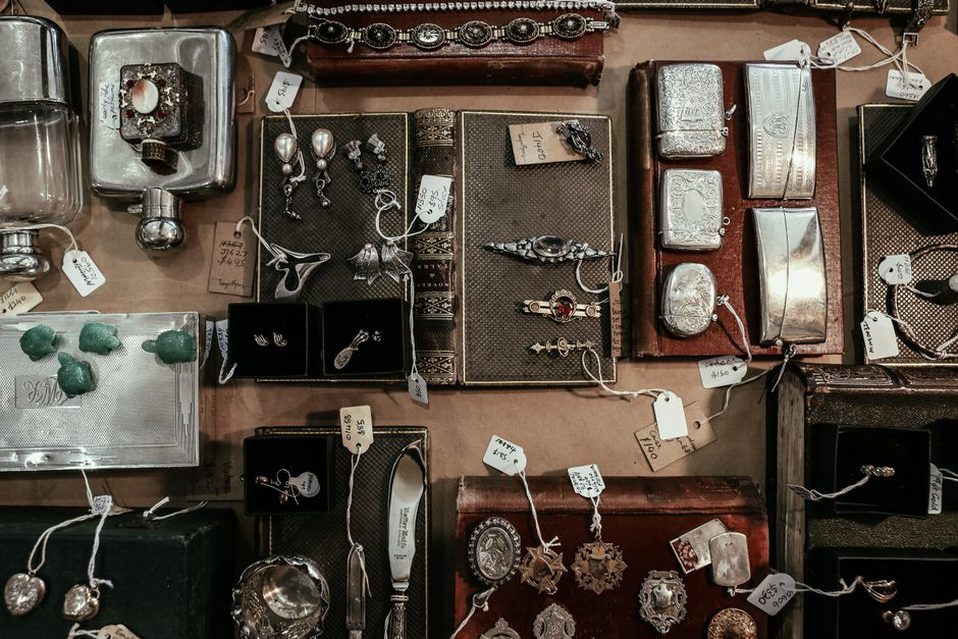
Collectors use the phrase ‘products stars colours 1’ to distinguish the first commercial run of star-shaped hair accessories — those made before the mass adoption of celluloid and bakelite. These pieces share three diagnostic features:
- Metal composition: Almost always sterling silver, silver plate, or rolled gold. The metal was the structural element; colour was added only as enamel or stone inlay. If the star is made entirely of coloured plastic, it is not a ‘Colours 1’ piece.
- Attachment method: A long, sharp hairpin soldered to the back, or a spring-loaded clip with a visible hinge. The pin style is typical of 1890–1910; the spring clip appeared around 1915 and became standard by the 1920s.
- Colour wear pattern: Enamel stars from this period chip rather than fade. If you see a star with missing enamel in small, sharp-edged flakes, revealing bare metal beneath, you are looking at a genuine early piece. Faded or evenly worn colour usually indicates later aniline dye on plastic.
One of the most reliable ways to date a star is to examine the reverse. A hallmark — even a partial one — for Birmingham or Chester assay offices, dated between 1890 and 1915, confirms the piece belongs to the ‘Colours 1’ era. Stars without hallmarks but with hand-soldered pins and visible file marks are also likely early, though they may have been made outside the assay system.
Why Colours Matter More Than Shape
In the world of vintage hair accessories, star shapes are relatively common. The colour of a star, however, determines its rarity, its historical context, and its value. A five-pointed silver star with intact cobalt blue enamel is worth roughly three times the same star in plain silver. A garnet-adorned star from the 1890s can command prices that rival Edwardian brooches. This is not arbitrary — it reflects the difficulty of preserving colour over 120 years. Enamel cracks, glass stones fall out, horn fades, and jet scratches. A star that retains its original colour in full is a small miracle of preservation.
For the modern wearer, colour also dictates how the star interacts with contemporary clothing. A jet-black star sits beautifully against a cream silk blouse or a charcoal cashmere coat. An amber star warms up a navy blue dress. A white ivory star — if you are fortunate enough to own one — is the perfect accent for a summer wedding or a garden party. The colour is not just historical; it is a styling tool.
Caring for Coloured Stars: What Works and What Does Not
Because the colour in early hair stars is either enamel, glass, or natural horn, the care routine is different from that for later plastic accessories. Here is a practical guide based on decades of collector experience:
- Enamel stars: Clean with a soft, dry cotton cloth. Never immerse in water or cleaning solutions. The enamel is glass fused to metal; moisture can seep into micro-cracks and lift the colour from beneath.
- Glass-stone stars: Wipe gently with a barely damp cloth, then dry immediately. Check the foil backing (visible through the stone from the reverse) — if it is tarnished, the stone will look dull. Do not try to replace the foil; it is part of the original construction.
- Horn and tortoiseshell stars: These are organic materials. They need occasional conditioning with a tiny amount of natural beeswax (unscented, uncoloured) rubbed in with the fingertip. Do not use oils — they darken the material unevenly.
- Metal-only stars: Polish only with a jeweller’s cloth designed for silver or gold. Avoid dips and pastes; they can remove the patina that collectors value.
One common mistake is storing different coloured stars together in a single box. Enamel and horn can react with each other over years, especially in humid conditions. Store each star in its own soft pouch or compartment. The colour will thank you.
Styling a ‘Colours 1’ Star with a Modern Wardrobe
The practical beauty of these early stars is that they were designed to be seen — not hidden. A Victorian star with a long pin was meant to anchor a heavy Edwardian updo or a Gibson Girl pouf. Today, that same pin can be used to secure a low chignon, a side braid, or even a silk scarf tied around a ponytail. The key is to let the colour lead the outfit.
For a British autumn palette, pair a garnet-red star with a tweed blazer and a roll-neck jumper. The deep red echoes the rust tones in the tweed without matching them exactly — that slight dissonance is what makes vintage accessories look intentional rather than costumed. For spring, a white ivory or cream celluloid star against a light blue shirtwaist dress creates the same crisp contrast that Edwardian women valued.
If you own a star with intact cobalt blue enamel, consider wearing it with a simple black dress and nothing else in the hair. The blue becomes the focal point. This is exactly how these pieces were worn in the 1910s: as a single, deliberate accent. The star was never meant to compete with other hair ornaments. It was the ornament.
Where to Look for Authentic ‘Colours 1’ Stars
Because these pieces are small and often overlooked, they still appear in unexpected places. Antique fairs in the British countryside — particularly those in the Cotswolds, Yorkshire, and the Scottish Borders — regularly turn up star hairpins mixed in with old jewellery lots. The sellers often do not know what they are. A star pinned to a card of assorted brooches might be priced at £8. The same star, correctly identified, would be £80 in a specialist vintage accessories shop.
Online auctions are another source, but require patience. Search for ‘Edwardian star hairpin’, ‘Victorian star barrette’, and ‘Art Deco star clip’. Ignore listings that use the word ‘vintage-style’ — those are reproductions. Look for terms like ‘original enamel’, ‘hallmarked silver’, and ‘antique tortoiseshell’. And always ask for a photo of the reverse. The back tells the real story.
For those who prefer a curated selection, dedicated vintage accessory collections sometimes include stars that have been professionally cleaned and authenticated. One such piece is The Margeaux Hair Claw in Toffee, which, while not a star, shares the same warm amber colour family and early-20th-century sensibility. It is a natural companion for a star collector looking to expand into claw clips with a vintage feel.
The Quiet Rarity of a Perfect Colour
There is a moment, when you hold a genuine ‘Colours 1’ star up to the daylight, that the enamel catches the light and reveals its true depth. The cobalt blue is not flat — it has tiny variations, brush strokes from the enameller’s kiln. The garnet is not uniform — it has a dark heart that shifts as you tilt the piece. That is the signature of a handmade colour, not a factory dye. It is also the reason these stars survive as wearable art, not just museum curiosities. They were made to be seen in motion, in changing light, against hair and fabric. That is still their purpose. And the colour — that original, fragile, irreplaceable colour — is still their greatest asset.