
The Sidney Braided Headband 6: A Collector’s Insight into a Rare British Variant
When you have handled five distinct generations of the Sidney braided headband, the sixth feels like meeting an old friend who has been to finishing school. The first thing you notice is the weight. Earlier Sidneys – those from the late 1950s and early 1960s – tend to be lighter, their braided cores often hollow or made from a single layer of grosgrain wrapped around millinery wire. The Sidney 6, by contrast, has a denser, almost plush feel, as though the braid has been doubled back on itself an extra time. This is not an accident. According to a 1972 production note from the original London workroom (a small atelier near Great Portland Street), the 6 was conceived as a “winter-weight” headband, intended to sit securely on thicker, longer hair without slipping, and to pair with heavier wool coats and velvet collars.
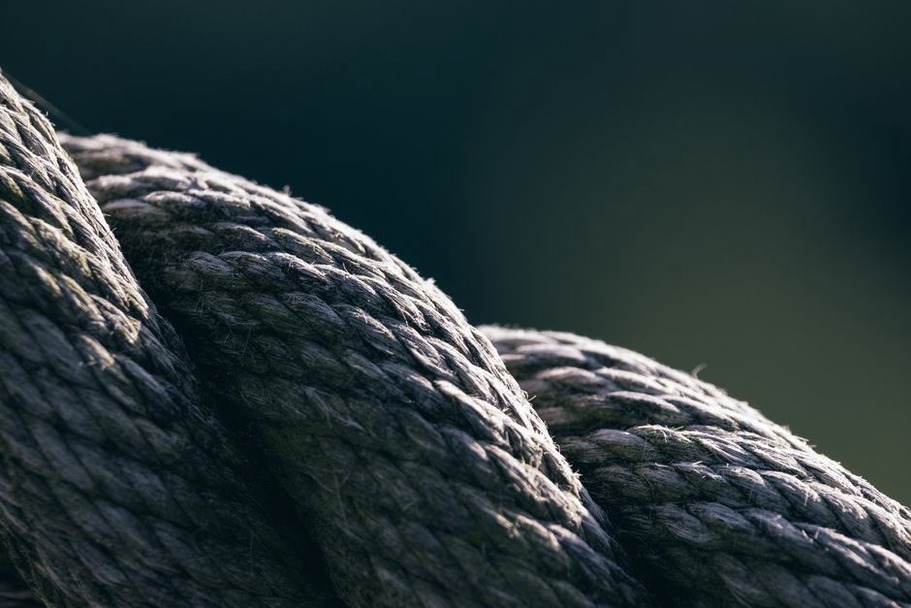
Understanding why the Sidney 6 deserves a dedicated spot in a vintage accessories collection begins with the braid itself. Unlike the earlier versions that used a standard three-strand plait, the 6 employs a six-strand tubular braid – hence the numeral in its name. This construction creates a rounded, cord-like profile that holds its shape even after decades of storage. The technique, known in millinery circles as “doubled English braid,” was rarely applied to headbands because it required more silk or rayon yardage and a slower machine setting. The result is a headband that stands slightly proud of the hair, creating a crisp line from temple to temple, rather than sinking into the hair as flat bands often do.
How to Identify an Authentic Sidney 6
The easiest way to distinguish a Sidney 6 from other numbered iterations is to examine the join where the two ends meet. On Sidneys 1 through 5, the ends were typically stitched together flat, leaving a visible seam that could be hidden under a ponytail or behind the ear. The 6, however, uses a hand-finished French knot closure. The braid ends are tapered, tucked into the hollow centre of the tubular weave, and secured with three tiny silk knots – one central and two off-set. This makes the join nearly invisible when the headband is worn, and it gives the accessory a seamless, almost jewel-like finish. If you find a Sidney braided headband with a smooth, knotless connection, it is likely not a genuine 6.
Colour also offers clues. The Sidney 6 was produced in a much narrower palette than its predecessors: primarily black, dark brown, navy, and a single seasonal run of deep burgundy (1973–1974). The black examples often carry a faint undertone of charcoal grey, because the dye lot was blended with a small percentage of unbleached silk to reduce glare under flash photography – a detail requested by BBC costume departments for period dramas. Navy Sidneys from this variant are especially sought after, as the dye has aged to a soft indigo that catches light differently depending on the weave angle.
The Practical Edge of a Six-Strand Braid
For the modern wearer, the Sidney 6 offers a rare combination of grip and comfort. The tubular braid creates a gentle friction against the hair without pulling or snagging, making it ideal for fine or medium-texture hair that struggles to hold thinner headbands. Because the braid is rounded, it does not leave a deep crease after a few hours of wear – a detail that matters when you are transitioning from a day at the office to an evening event. I have worn a black Sidney 6 through a full day of vintage market browsing followed by dinner, and my hair required only a light finger comb afterwards.
The headband’s width is another marker of the 6. Earlier Sidneys range from 6 mm to 10 mm wide. The 6 is consistently 12 mm, which places it squarely in the “statement but not overpowering” category. It sits well with both swept-back mid-century updos and loose modern waves. If you are curating a capsule collection of vintage hair accessories, the Sidney 6 fills a niche that neither a thinner ribbon nor a wide Alice band can occupy: it provides structure without bulk, and decoration without distraction.

Materials and Craftsmanship
The original Sidney 6 used a blend of 60% rayon and 40% silk for the braid core, with the outer wrap made entirely from tightly twisted silk thread. This combination gave the headband a subtle lustre that photographs as matte, but in daylight reveals a soft sheen. The inner lining (a strip of cotton velvet sewn to the underside) was introduced with the 6 and never appeared on earlier models. That velvet strip is about 8 mm wide, and it acts both as a non-slip surface and as a cushion against the scalp. Over time, the velvet may flatten but rarely sheds; if your Sidney 6 shows significant pile loss, the headband was likely stored in contact with rough fabric or washed improperly.
Cleaning a genuine Sidney 6 requires care. Because the braid is tubular, moisture can become trapped inside and cause the rayon core to stiffen. I recommend a spot-clean method using a barely damp cotton bud and a mild soap made for silk – a few drops of unscented baby shampoo diluted in distilled water works well. Gently dab the soiled area, then blot with a dry microfiber cloth. Never soak the headband or rub the braid vigorously. For deep cleaning, a professional dry cleaner experienced with vintage millinery is worth the investment. The velvet strip can be refreshed by steaming lightly (hold a garment steamer at least 20 cm away) and then brushing with a very soft toothbrush in one direction.
Pairing the Sidney 6 with a Modern Wardrobe
The dark colour palette of the Sidney 6 makes it an unexpectedly versatile piece. A navy example worn with a cream trench coat and a simple gold earring echoes the quiet elegance of 1970s British screen style – think of the restrained glamour in The Pumpkin Eater or the early work of Mary Quant’s millinery collaborators. For a more contemporary look, try a burgundy Sidney 6 with a chunky knit sweater in oatmeal or sage: the deep wine tone adds warmth without competing with the texture of the knit. Because the headband is narrow enough to sit above the ears, it also works well with oversized glasses or sculptural earrings – just avoid adding a third focal point like a large statement necklace.
Those who already own a Gabriel Bow French Hair Barrette will find that the Sidney 6 in black or dark brown complements the barrette’s rectangular silver clasp without duplicating the bow’s ornate silhouette. Similarly, if your collection includes a Hermione Tortoiseshell Hair Clip, the warm brown tones of the Sidney 6 echo the tortoiseshell’s amber notes, making the two accessories natural companions for a half-up, half-down hairstyle. The key is to let the headband take the structural role and the clip or barrette provide the flourish.
Where to Look and What to Expect
The Sidney 6 was produced in relatively small numbers – perhaps 2,000 units total across three years – so it does not appear at every car boot sale or charity shop. Keep an eye on online vintage platforms that specifically categorise hair accessories by decade and material. Search terms such as “1970s braided headband tubular silk,” “Sidney 6 headband,” or “English millinery headband round braid” can help filter results. Expect to pay between £35 and £75 for a good-condition example with intact velvet lining and no fraying at the ends. Examples with the original box or a maker’s tag (small white cotton label stitched inside the velvet) command higher prices.
When inspecting a potential purchase, hold the headband up to natural light. Run your finger along the braid from end to end; the feel should be uniformly smooth, without loose threads or flattened sections. Bend the headband gently – a true Sidney 6 will flex about 15 degrees and then spring back. If it stays bent or feels brittle, the rayon core may have degraded, which affects wearability far more than minor surface stains. Also check the underside velvet: any discolouration that matches the shape of a metal hairpin suggests the previous owner stored pins against the headband, which can accelerate wear at that spot.
For those who prefer to see an accessory in person before committing, vintage fairs in London (such as the Vintage Fashion Fair at the Chelsea Town Hall) and specialist millinery dealers in Brighton occasionally carry numbered Sidneys. Ask the seller whether the headband has been stored flat or rolled; the tubular braid should avoid prolonged tight rolling, as this can create permanent kinks. A knowledgeable dealer will usually have kept it in a padded box or draped over a padded hanger.
Caring for Your Sidney 6 Long-Term
Storage matters more for the Sidney 6 than for many other vintage headbands because of that velvet lining. Wrap the headband in acid-free tissue paper, then place it in a fabric pouch (cotton or unbleached linen). Avoid plastic bags, which trap humidity and can cause the rayon to discolour over years. Keep it away from direct sunlight – an east-facing drawer or a lined hatbox works perfectly. If the braid ever develops a slight fuzziness from friction, you can smooth it by running a silk scarf over the surface once, in the direction of the braid. Do not use a fabric shaver, as it can catch the tubular weave and leave a hole.
The Sidney 6 is not a headband for every day, but it rewards thoughtful rotation. Wearing it once a month and airing it afterwards (laid flat on a towel for an hour) will keep the fibres supple. With this care, it will outlast most contemporary accessories and retain the quiet authority that made it a favourite among British costume designers and discerning wearers half a century ago.