
October 2017 in the Archive: Horn Combs, Velvet Bows, and the Quiet Joy of Vintage Hair Accessories
October 2017 was a quiet month in the archive, but quiet often holds the most rewarding discoveries. While the blog was still finding its rhythm, the posts from those weeks reveal a steady hand and a clear eye for what matters: the tactile pleasure of a well-made comb, the surprising versatility of a single velvet bow, and the quiet joy of finding a piece that has waited decades for the right owner. Let me walk you through the entries from that month, as if we were sorting through a box of finds together on a drizzly London afternoon.
A Pair of Edwardian Combs in Horn
The earliest post of the month, dated 4 October 2017, focused on a matched set of Edwardian side combs carved from dark horn. The writer described the way light moved through the material — a deep, warm amber glow that synthetic substitutes can never mimic. Horn combs from this period were often hand-cut and polished with beeswax, giving them a surface that feels almost alive. The post offered a practical tip: to test whether a comb is genuine horn, hold it against your cheek. Real horn warms quickly; plastic stays cool. That small piece of knowledge has stayed with me ever since.
The article also touched on the social context of these combs. In Edwardian Britain, a woman’s hair was her crown, and the combs that held it were often the most expensive items she owned outside of jewellery. A pair of good horn combs could cost a week’s wages for a shop girl, yet they were considered an essential investment. The post ended with a gentle reminder to store horn away from direct heat and sunlight, as the material can warp or crack over time. A simple rule, but one that saves many a heirloom.
The 1950s French Twist Experiment
Mid-October brought a more hands-on entry: a step-by-step guide to recreating the 1950s French twist using a vintage tortoiseshell-look comb. The author admitted that her first attempt ended in a lopsided mess, but the charm of the post lies in its honesty. She described how the comb — found at a car boot sale in Kent for two pounds — had a slightly curved back that gripped the hair better than any modern equivalent. The secret, she wrote, was not in the twisting but in the anchoring: slide the comb in at a downward angle, then tilt it upward to lock the roll in place.
What made this post stand out was its attention to the comb’s construction. The teeth were hand-filed, not machine-stamped, which meant they were slightly irregular. That irregularity, far from being a flaw, gave the comb a better hold. The writer urged readers to examine vintage combs under a magnifying glass before buying, looking for the tiny marks of hand finishing. It is a habit I have adopted myself, and it has saved me from buying several overpriced reproductions.
Velvet Bows and the Art of Restraint
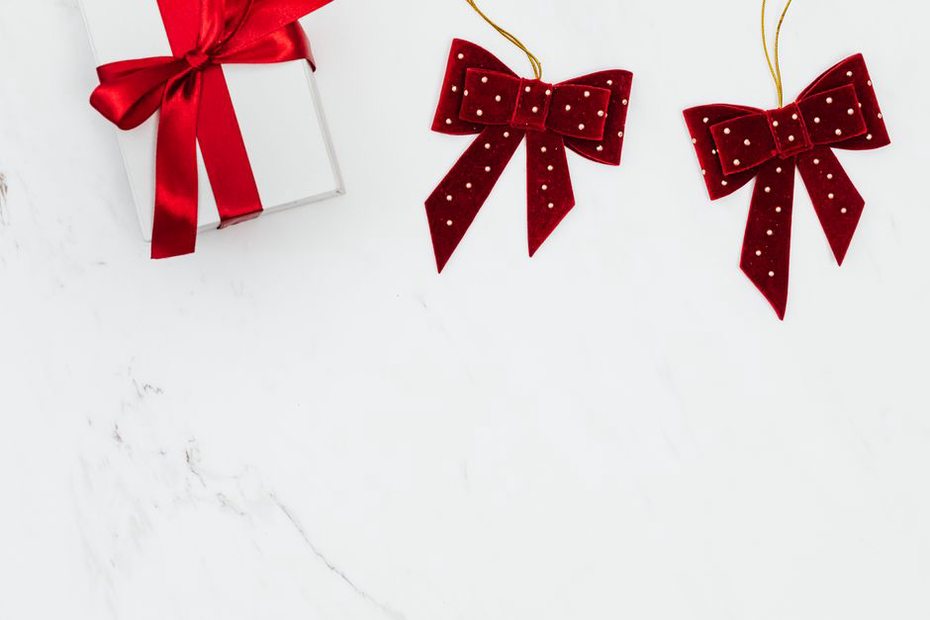
Later in the month, a short but memorable post appeared about a single black velvet bow, likely from the late 1930s. The bow was small — barely four inches across — and had been stitched onto a metal alligator clip. The writer argued that restraint was the defining quality of pre-war accessories. Unlike the exuberant bows of the 1980s, this one whispered rather than shouted. It was meant to be seen only when the wearer turned her head, a secret flourish for those who looked closely.
The post included a gentle warning about cleaning velvet. Many people ruin vintage velvet by treating it like modern fabric. The writer recommended a soft, dry toothbrush to lift dust from the nap, and absolutely no water. If the velvet was crushed, a steam iron held at a distance could revive it — but never let the iron touch the pile. That advice has saved several of my own finds from disaster.
A Practical Note on Blogging Itself
The final October entry was a short reflection on the act of archiving. The writer noted that a blog is not just a collection of posts; it is a living catalogue of taste, mistakes, and growing expertise. She encouraged readers to keep their own records — a notebook, a spreadsheet, even a simple HTML page. For those interested in organising their collection digitally, the blog later published a guide on how to build a simple HTML archive for your vintage hair accessory collection. The October post planted that seed, long before the technical guide existed.
What the Archive Teaches Us
Looking back at October 2017, the posts share a common thread: they celebrate the small, the overlooked, the humble. There is no mention of rare Bakelite or precious metals. Instead, the month is devoted to horn, tortoiseshell-look celluloid, and simple velvet. These materials were everyday luxuries in their time, and they remain accessible to collectors today. The key is knowing what to look for and how to care for what you find.
If you are new to collecting vintage hair accessories, October 2017 offers a gentle starting point. Start with horn combs — they are abundant, affordable, and teach you to recognise quality materials. Then move to velvet bows, which train your eye for condition and subtle craftsmanship. And always, always carry a small magnifying glass when you shop. The difference between a good find and a great one is often a detail you can only see up close.
One final detail from that month: the writer mentioned that she kept her favourite horn comb in the pocket of her coat, not in a drawer. She believed that accessories should be worn, not stored. That comb accompanied her to the post office, the market, and the cinema. By the end of the year, it had developed a warm patina from her touch. That, perhaps, is the truest lesson the archive holds — the best accessory is the one that becomes part of your daily life.