
The Hot Pink Satin Squared Headband: A Vintage Style Guide
Picture a crisp, geometric band that sits squarely on top of your head instead of curving around it. You might think of 1960s mod style or the polished precision of a 1940s land girl's uniform. Now imagine that same structured shape in a single, unapologetic shade: hot pink. The satin squared headband in hot pink is not a shy accessory. It is a deliberate, joyful nod to mid-century British fashion, and its resurgence among vintage enthusiasts today deserves a closer look. Whether you are a seasoned collector or simply curious about adding a punch of colour to your hair accessories drawer, understanding the history, construction, and styling of this piece will help you wear it with confidence and care.
The Geometry of the Squared Headband
Unlike the rounded, flexible Alice band that hugs the contour of the skull, a squared headband is defined by its straight, horizontal top edge and clean right angles at the temples. The shape originated in the 1940s, when utility and structure dominated British fashion. Wartime restrictions meant fabric was scarce, but a well-made headband could elevate a simple dress or a work uniform without consuming precious material. By the 1960s, the squared silhouette had been embraced by the youthquake movement—think Mary Quant's geometric cuts and Vidal Sassoon's angular bobs. The headband became a sculptural element, a frame for the face that echoed the bold, graphic lines of Op Art and Pop Art. Hot pink, as a colour, arrived with full force in the 1980s via the New Romantic and punk scenes, but its pairing with a classic squared shape is a more recent vintage-inspired revival that feels both nostalgic and fresh.
Materials and Construction: What Makes a Quality Satin Headband
A genuine vintage or vintage-inspired satin squared headband is typically constructed over a rigid base. The core may be a thin strip of buckram, millinery wire, or stiffened felt, covered with a layer of high-density satin. The satin itself should be a silk or good-quality polyester satin with a smooth, lustrous weave—not a flimsy, shiny charmeuse that wrinkles at the first wear. The squared shape is achieved by hand-stitching the fabric tautly over the foundation, often with a second layer of interfacing to prevent sagging. Look for clean, invisible stitching along the inner edge, and a slight padding that gives the band a soft, pillowy feel against the head. The width of a squared headband typically ranges from 1.5 to 2.5 inches; narrower versions suit finer hair and smaller face shapes, while wider bands make a bolder statement. The hot pink shade should be even and saturated, with no white streaks or colour variation—a sign of quality dyeing.
How to Identify a Vintage Piece vs. a Modern Reproduction
Authentic vintage squared headbands from the 1940s–1980s often show signs of careful hand-finishing. The fabric may be slightly yellowed at the edges (especially if it is silk), and the inner wire or buckram might be visible through a tiny tear. Original 1960s headbands frequently have a metal core that can be gently bent to fit the wearer's head—a feature rarely found in modern fast-fashion versions. Labels are uncommon, but if present, they are usually small, woven cotton tags reading "Made in England" or a British department store name like John Lewis or Liberty. Modern reproductions, on the other hand, tend to use a plastic core and glue rather than stitching. The hot pink colour in vintage pieces is often a cooler, slightly blue-based pink (think fuchsia or magenta), while contemporary hot pinks lean warmer, toward coral. If you are shopping at a car boot sale or a vintage fair, run your fingers along the inner edge: a vintage band will feel smooth and slightly irregular, while a modern one will have a uniform, machine-made finish.
Styling the Hot Pink Satin Squared Headband with a Contemporary Wardrobe
The challenge with a bold accessory like this is making it feel intentional, not costumey. The key is contrast. Pair the headband with neutral, structured clothing: a cream linen blazer, a black turtleneck, or a pair of well-tailored grey trousers. The hot pink becomes the focal point, a single pop of energy against a quiet backdrop. For a more playful look, try it with a floral midi dress—the geometric shape of the headband offsets the softness of the florals, creating a balanced silhouette. If you are new to this style, start by wearing the headband with your hair down and slightly waved; the straight top edge will draw attention to your eyes and cheekbones. For an evening out, slick your hair back into a low ponytail and slide the headband in place—it works beautifully with a sleek, wet-look finish. The squared shape also pairs unexpectedly well with a chunky knit, as seen in our guide to the Granny Square Beanie: Vintage Crochet, Style and Care, where we explore how vintage textures and modern silhouettes can coexist.
Care and Storage for Satin Headbands
Satin is a delicate fabric, prone to snagging, water spotting, and colour transfer. To keep your hot pink headband looking its best, store it flat in a fabric-lined box or a drawer, away from direct sunlight. Never fold it—the squared shape can crease permanently. If the satin becomes dusty, use a soft, dry lint-free cloth to gently wipe the surface. For deeper cleaning, spot-treat with a tiny amount of mild silk detergent diluted in cool water, dabbing (never rubbing) the soiled area, then blotting with a dry cloth. Avoid submerging the entire headband, as the inner core may rust or warp. If the band loses its shape, you can lightly steam it (keeping the steamer at least six inches away) and then reshape it by hand while it cools. Never use an iron directly on satin—use a pressing cloth on a low heat setting if absolutely necessary. And because hot pink dye can be unstable, especially on vintage pieces, keep the headband away from white or light-coloured fabrics during storage; wrap it in a piece of acid-free tissue paper if you are unsure of the dye's fastness.
Where to Find Authentic Hot Pink Squared Headbands
The hunt is part of the pleasure. British vintage fairs, such as those at Alexandra Palace or the Ardington & Co. market in London, are excellent places to discover original pieces. Charity shops in affluent areas sometimes yield 1980s headbands in pristine condition—look in the accessories section, often tucked between scarves and belts. Online, platforms like Etsy and Vinted have active communities of vintage sellers; search for "vintage squared headband hot pink" or "1960s satin headband fuchsia". Be patient: a true hot pink squared headband is less common than black or navy, so when you find one that fits well and shows minimal wear, it is worth the investment. If you are drawn to the surrealist edge of vintage accessories, you might also enjoy our collector's guide to The Surrealist Statement: A Collector's Guide to Dali-Inspired Hair Clips, which explores how unexpected shapes and colours can transform an outfit.
The Practical Side of Wearing a Squared Headband
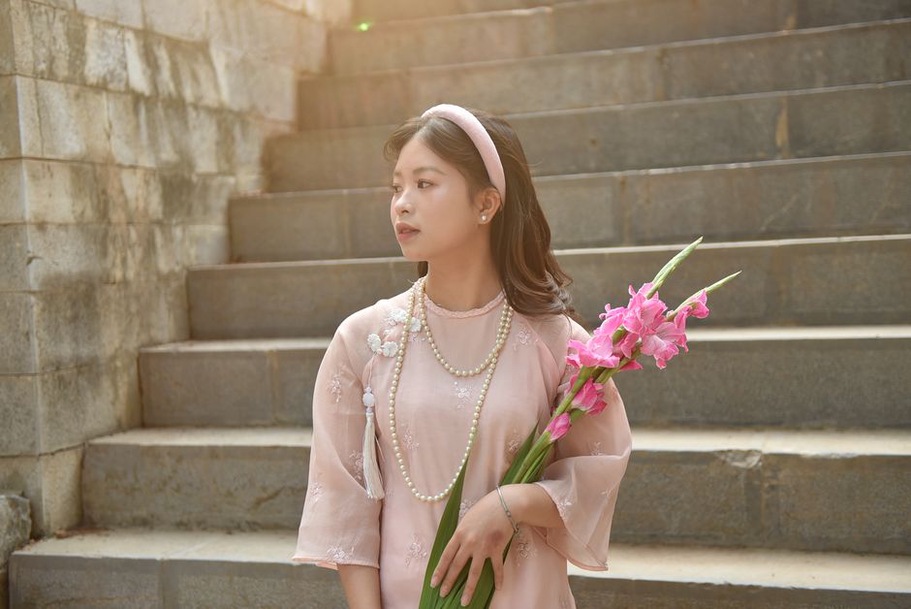
One of the most common questions I hear is whether a squared headband stays in place. The answer depends on your hair texture and the band's fit. Because the shape is straight, it relies on friction and the natural curve of your skull rather than spring tension. If the band is too loose, it will slide forward; if too tight, it will cause a headache. A well-made vintage band often has a slight inward curve at the temples that helps it grip. You can also use a few bobby pins hidden beneath the band to secure it—simply slide them through the satin into your hair, matching the pin colour to the band (hot pink pins exist, but black or clear work invisibly). For those with fine or slippery hair, a light spritz of dry shampoo or texturising spray at the roots before placing the headband can add enough grip to keep it in place all day. And if you are wearing the headband for an event, test it at home first—walk around, tilt your head, dance a little—to make sure it stays put.
A Final Note on Colour Confidence
Hot pink is a demanding colour. It refuses to blend in. But that is precisely its charm. Wearing a hot pink satin squared headband is a small act of rebellion against the beige and the safe. It says you have taken the time to choose an accessory that brings you joy, not just one that matches. Whether you pair it with a 1940s tea dress or a modern minimalist suit, the headband becomes a conversation starter, a piece of history worn with intention. And because it is a vintage style, you are also participating in a slower, more thoughtful way of dressing—one that values quality, shape, and colour over the relentless churn of fast fashion. So go ahead: find that perfect band, learn its history, and wear it with the confidence it deserves.