
The Rixo Leah Jumpsuit: A Collector’s Guide to Silhouette, Fabric, and Vintage Hair Accessories
When a garment carries a name like Leah, you expect a certain warmth, a story that feels personal rather than industrial. Rixo London’s Leah jumpsuit, first introduced in the late 2010s and now a recurring favourite in their collections, does exactly that. It is a piece that borrows freely from the 1970s disco lounge and the 1940s utility glamour, yet never feels like a costume. For someone who spends hours hunting down tortoiseshell hair clips and 1930s celluloid combs, the Leah represents something rare: a contemporary design that understands the weight of a good silhouette, the honesty of a quality fabric, and the quiet pleasure of an accessory-ready neckline.
The Silhouette That Anchors the Look
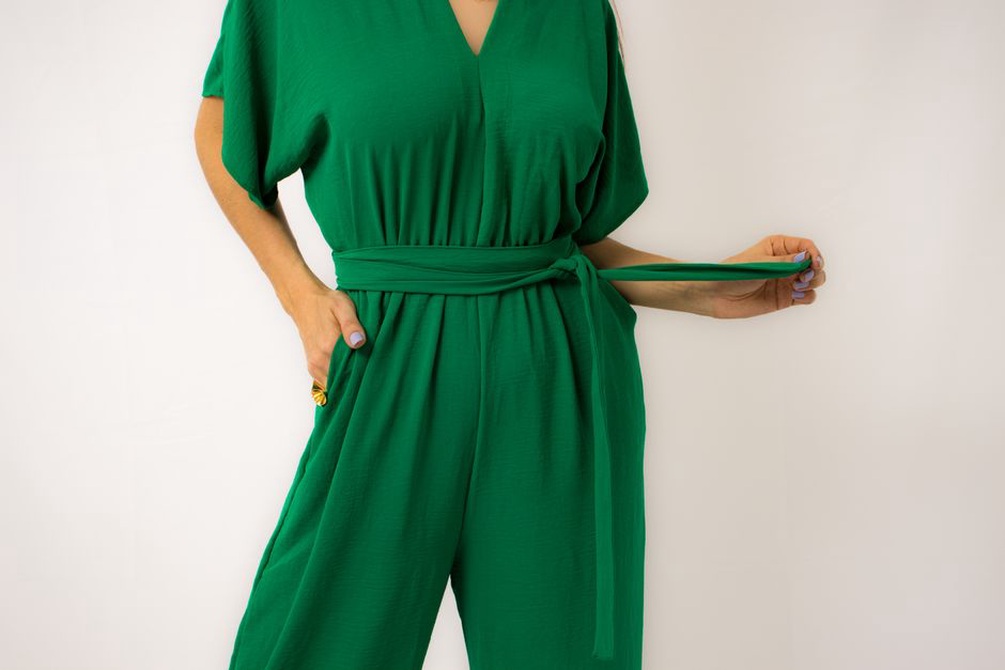
The Leah is a wide-leg jumpsuit with a fitted bodice, a softly defined waist, and a V-neckline that plunges just enough to feel elegant rather than theatrical. The cut is generous through the hip and thigh, then falls straight to a full-length hem that skims the top of the foot — the kind of proportion that elongates the body without cling. What makes it remarkable for a vintage-minded wardrobe is the shoulder line: a tailored, slightly padded cap sleeve that references the early 1940s, when women’s tailoring borrowed from military precision to create strong, capable shapes. Rixo updates that structure with a lighter interlining, so the shoulder holds its shape without feeling stiff.
The original Leah was produced in a limited run of deadstock viscose crepe, a fabric choice that speaks directly to the brand’s ethos. Viscose crepe drapes like a dream, breathes well in warmer weather, and takes dye with a depth that polyesters cannot match. Later iterations appeared in silk crêpe de chine and, for one autumn capsule, in a heavyweight rayon velvet. Each version preserves the same pattern blocks, but the fabric changes the personality entirely — the velvet Leah is a winter evening piece; the silk version belongs to a garden party in June.
Why the Jumpsuit Matters to a Hair Accessories Collector
A jumpsuit like the Leah is, in many ways, a blank canvas for hair accessories. Its clean neckline and lack of fussy collar details mean the eye travels upward naturally. A well-chosen barrette or comb becomes the focal point, not an afterthought. For readers who collect vintage hair accessories, the Leah offers a practical styling solution: it provides structure below the collarbone, so the hair ornament above can be bold without competing. A large filo tortoiseshell clip, for instance, sits beautifully against the simple V of the neckline. The Filo Tortoiseshell Hair Clip: A Collector's Guide to Vintage British Accessories explains exactly how to spot an original 1940s celluloid piece that would complement this silhouette without overwhelming it.
Similarly, the Leah’s wide leg creates a visual anchor that balances oversized or sculptural hair accessories. A cowrie shell slide from the 1930s, with its natural ivory tones and organic texture, echoes the earthy colour palettes Rixo favours — rust, ochre, deep teal, aubergine. The Cowrie Shell Hair Slides: A Collector’s Guide to Vintage British Adornment offers detailed advice on identifying authentic shell slides and pairing them with modern separates.
Materials and Construction: What to Look For
If you are considering adding a Leah jumpsuit to your wardrobe — whether new from a Rixo drop or second-hand on the resale market — the construction details matter. Rixo produces in small batches in London and Portugal, using fabrics that are often limited runs. The original viscose crepe versions have a matte finish with a slight liquid drape; the silk crêpe de chine versions are lighter and more fluid. Both are fully lined through the bodice, which is a sign of thoughtful construction. The zip is concealed at the centre back, and the waist seam is reinforced with a grosgrain ribbon inside to prevent stretching.
Pay attention to the hem. Authentic Leah jumpsuits have a hand-finished hem on the legs, with a blind stitch that is nearly invisible from the outside. The side seams are French-seamed, a technique that encloses raw edges and prevents fraying. These are not cost-cutting measures; they are the hallmarks of a garment made to last.
How to Style the Leah with Vintage Hair Accessories
The Leah jumpsuit works with nearly every era of hair accessory, provided you respect the proportions. Here is a quick guide based on the most common vintage finds:
| Vintage Accessory Type | Best Leah Fabric | Styling Note |
|---|---|---|
| 1940s celluloid combs | Viscose crepe or rayon velvet | Wear the comb at the nape for an evening look; the matte fabric won’t compete with the comb’s gloss. |
| 1950s enamel barrettes | Silk crêpe de chine | Clip at the temple for a casual daytime silhouette; the barrette’s colour should echo a secondary tone in the jumpsuit (e.g., a cream barrette with an ochre Leah). |
| 1970s resin or horn slides | Any fabric | These oversized clips work best with the Leah’s strong shoulders. Slide one into a low ponytail for a relaxed but polished finish. |
| 1930s bakelite or tortoiseshell bands | Viscose crepe | A wide headband worn with the Leah’s V-neckline creates a clean, architectural line. Keep other jewellery minimal. |
Caring for Your Leah Jumpsuit
Because the Leah is often made from natural or semi-synthetic fibres, it demands a gentler approach than most modern garments. Hand washing in cool water with a mild pH-neutral detergent is safest. If you must machine wash, use a mesh laundry bag and a delicate cycle at 30 °C, then hang to dry away from direct sunlight. The viscose crepe versions benefit from a light steam rather than ironing; the silk crêpe de chine should be ironed on a low setting with a pressing cloth between the iron and the fabric. Never tumble dry — the heat can distort the waist seam and shrink the legs unevenly.
For storage, fold the jumpsuit along the natural crease lines of the legs rather than hanging it by the straps. The weight of the fabric can pull the shoulders out of shape over time. If you prefer to hang it, use a padded hanger with wide arms and fold the jumpsuit over the bar so the weight is distributed evenly.
Where to Find the Leah Today
Rixo releases new colourways of the Leah periodically, usually in small drops on their website and through select stockists such as Selfridges and Liberty London. The brand also runs a pre-loved programme called Rixo Rewear, where authenticated second-hand pieces are resold directly. On the vintage market, expect to pay between £80 and £200 for a used Leah in good condition, depending on the fabric and rarity. The original deadstock viscose crepe versions in limited colours (especially the rust and the deep teal) command higher prices among collectors.
When buying second-hand, check the inside label. Authentic Rixo pieces have a woven satin label with the brand name and “Made in Portugal” or “Made in London” printed in small letters. The care tag will list the fibre content and the style name “Leah” in the product code. Avoid pieces where the label is printed on a cheap polyester ribbon or where the stitching around the label is uneven — these are signs of a counterfeit or a factory reject.

A Final Word on Silhouette and Intention
The Leah jumpsuit endures because it understands something fundamental about dressing: a good silhouette does not need to shout. It works quietly, supporting the accessories and the wearer’s own presence. Whether you pair it with a 1930s cowrie shell slide or a simple tortoiseshell barrette, the Leah provides a foundation that honours the past without mimicking it. For anyone building a wardrobe that respects vintage craftsmanship while living firmly in the present, that is a rare and valuable thing.