
The Lavender Pebble Barrette: Why This 1960s Hair Clip Still Works Today
The first thing you notice about a pebble barrette in lavender is how it sits in the palm — smooth, cool, with a gentle weight that feels more like a beach stone than a hair clip. That tactility is exactly what made these accessories so beloved in the 1960s and 1970s, when British hairstylists began favouring organic, sculptural forms over the rigid geometric clips of the previous decade. Today, the lavender pebble barrette is having a quiet comeback among vintage enthusiasts who appreciate its ability to anchor a hairstyle without shouting for attention.
What Exactly Is a Pebble Barrette?
A pebble barrette is a one-piece hair clip shaped like a smooth, flattened stone. Unlike traditional snap clips with two hinged parts, the pebble barrette uses a single curved piece of material — usually resin, Lucite, or bakelite — that snaps over a section of hair and holds it gently by tension. The lavender variant is typically a soft, milky purple, sometimes with subtle marbling or a faint translucency that catches the light.
The design emerged from post-war British accessory houses that experimented with new plastics. By the mid-1960s, manufacturers such as Ashwood Designs and smaller London ateliers were casting resin into organic, pebble-like forms, deliberately avoiding sharp edges. The result was a clip that felt almost alive, a small wearable sculpture.
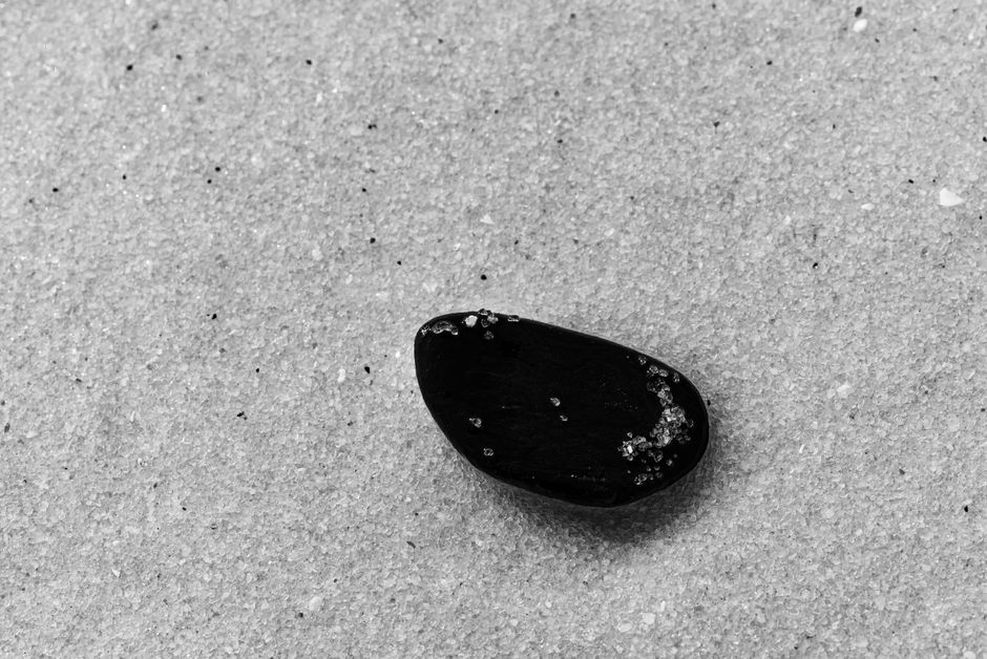
The Lavender Colour Story
Lavender in hair accessories carries a distinct visual language. In the 1920s, the shade appeared in Art Deco combs, usually combined with silver or clear celluloid. By the 1960s, lavender resin became associated with the romantic, slightly bohemian look that bridged the sleek early-decade styles and the free-flowing late-1960s aesthetic. A lavender barrette reads differently from a black one – it softens the face, suits fair and silver hair beautifully, and pairs effortlessly with denim, linen, and light cottons.
For vintage collectors, lavender resin is also a useful dating clue. Pale lavender shades were especially popular in British hair accessories from roughly 1963 to 1972. Earlier pieces tend to be darker, almost violet; later pieces from the 1980s often have a more synthetic, neon undertone. A muted, chalky lavender is the hallmark of a good mid-century piece.
How a Pebble Barrette Works With Different Hair Types
One practical advantage of the pebble barrette is its versatility. Because it works by pressure rather than a hinge, it suits different hair thicknesses without needing adjustment:
- Fine hair – the lavender pebble holds a small twist or half-up section without causing dents
- Medium hair – can secure a side-swept section elegantly, especially when paired with a second clip
- Thick hair – use it as a decorative accent on a loose braid or bun rather than as the primary holder
If your hair is very silky and the clip tends to slip, a small backcomb at the root or a tiny dab of hairspray on the section provides just enough grip. This is a practical tip that vintage stylists used in the 1960s and it still works beautifully today.
Styling the Lavender Pebble Barrette in a Modern Wardrobe
The lavender shade is surprisingly easy to integrate into a contemporary British wardrobe. It works as a soft counterpoint to tailoring, a romantic touch to shirtdresses, and a playful accent against charcoal or navy knitwear. For a modern interpretation, try the following combinations:
- Wear a single lavender pebble barrette on a low side part with a cream silk blouse
- Pair two smaller pebbles in lavender and clear resin for a subtle, layered effect
- Use one clip to hold back a fringe while wearing a tailored blazer and trousers
If you already own a tortoiseshell clip, consider the lavender pebble as its softer companion. The warm brown and cool lilac make an unexpected but harmonious duo. A similar philosophy guides the Eloise tortoiseshell hair clip, which demonstrates how vintage appeal thrives when modern materials mimic classic patterns. The pebble barrette is the direct opposite in spirit — an opaque, colour-led accessory that relies on form rather than pattern.
What to Look For When Buying Vintage Pebble Barrettes
Hunting for an original lavender pebble barrette takes patience, but the search is part of the pleasure. Here is what experienced collectors examine before purchasing:
- Surface condition – look for smooth, unbroken surfaces. Minor scratches are acceptable, but cracks or chips around the edges affect the clip’s tension
- Colour consistency – vintage resin can darken unevenly over time. A piece with a patchy tone may have been exposed to sunlight or heat
- Tension test – gently press the curved opening. It should spring back slowly and hold its shape. If it feels limp, the resin has lost its memory
- Maker’s marks – some British pieces have small impressions or paper labels on the inner surface. Even without a mark, quality is evident in the smoothness of the finish
- Weight – a genuine vintage resin pebble has a satisfying heft. Featherlight pieces are often newer and made from cheaper materials
Caring for Your Lavender Pebble Barrette
Resin is durable, but it requires a gentle approach. To keep a lavender pebble barrette in good condition for decades more:
- Wipe it with a dry, soft cloth after use to remove hair oils
- Clean occasionally with mild soap and lukewarm water, then dry immediately
- Store it away from direct sunlight, which speeds up colour fading
- Keep it separate from metal accessories to avoid scratches
Never use alcohol or acetone-based cleaners, as these will dull the resin. Similarly, avoid leaving the clip in a hot bathroom cabinet — heat can warp the shape and ruin the tension.
The Pebble Barrette in British Fashion History
The pebble barrette occupied a small but significant place in British accessory history. In the 1960s, as London’s fashion scene embraced sculptural minimalism, the pebble form appealed to designers who wanted to move away from ornate, bejewelled hairpieces. It was a modernist gesture – pure shape, pure colour, no embellishment.
By the 1970s, the lavender pebble had become a staple of the “romantic revival” look, often worn with soft chignons and flowing midi skirts. It was the kind of accessory that appeared in the pages of Honey and 19 magazine, styled against crochet tops and suede boots. The influence of these era-defining pieces is visible in the ongoing interest in vintage resin combs and clips, such as the definitive guide to the 1970s resin hair comb, which explores how sculptural plastic took centre stage during that era.
Where to Find Genuine Vintage Pieces
British charity shops, flea markets, and specialist vintage accessory stalls are the best hunting grounds. Portobello Road and Camden Passage in London occasionally yield trays of old hair clips where a lavender pebble can be found for a few pounds. Online marketplaces are another option, but search for “vintage resin barrette” or “1960s hair clip lavender” rather than generic terms like “retro hair accessory.”
If buying online, always ask for a photo of the inside of the clip and a clear view of the edge. These details reveal whether the piece is genuine vintage or a modern reproduction.
A Final Practical Note on Wearing It Well
When placing a lavender pebble barrette, slide it in at a slight downward angle, then gently rotate it upward so it grips the hair closer to the root. This technique, used by hairdressers in the 1960s, keeps the clip secure and prevents a bulky look. It also protects the barrette’s tension by reducing strain on the curved opening. That same technique works whether you're wearing a chignon or a half-up twist. And if you find a genuine 1960s piece with a faint marbling, you'll have a small piece of British design history holding your hair in place.