
Mother of Pearl Scallop Hair Claw: History, Care & Styling
The first time you hold a mother of pearl scallop hair claw, the weight surprises you. It is denser than resin, cooler to the touch, and the light catches the surface in irregular flashes of pink, green, and cream. This is not a modern composite pretending to be shell. This is genuine nacre, harvested from the inner lining of mollusc shells, cut and polished by hand. The scallop shape—whether a literal shell silhouette or a claw with scalloped edges—has been a recurring motif in British hair accessories since the mid-19th century, prized for its natural elegance and the way it catches candlelight at evening events. Understanding what makes these pieces special, how to find them, and how to keep them beautiful is essential for any collector of vintage hair accessories.
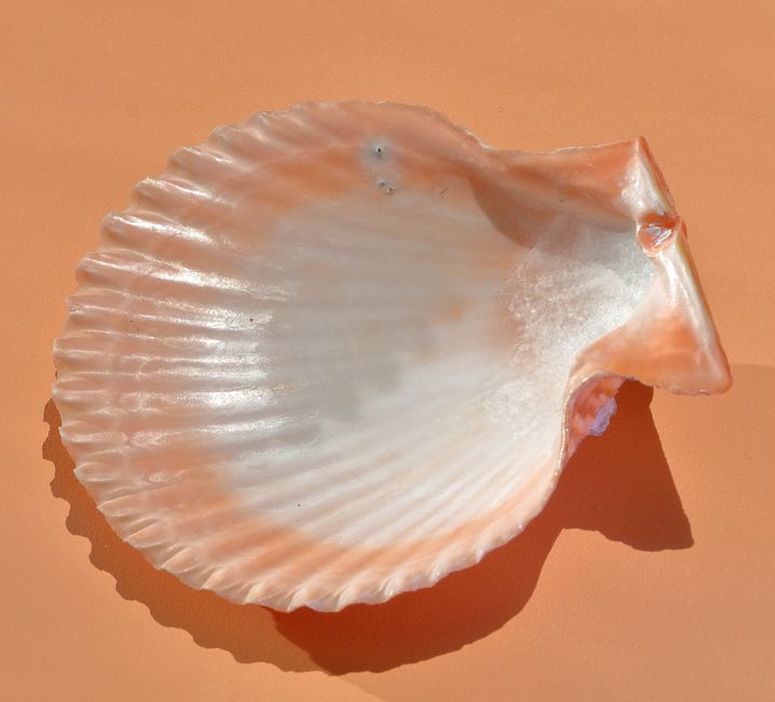
The Material: Mother of Pearl
Mother of pearl, or nacre, is the iridescent substance that lines the inside of certain mollusc shells. For hair accessories, the most common sources are the pearl oyster (Pinctada) and the abalone, though freshwater mussels also yield usable nacre. The material has been used in decorative arts for centuries, but its popularity in British hair ornaments peaked during the Victorian and Edwardian eras. Craftsmen would cut thin slices from the shell, then shape and polish them into combs, slides, and claw clips. The scallop hair claw typically uses a thicker cut to ensure the prongs have enough strength to hold hair without snapping.
One of the first tests for authenticity is temperature. Real mother of pearl feels cool when you first pick it up, unlike plastic or resin which quickly adjust to room temperature. Another clue is the iridescence: genuine nacre shows a subtle, shifting play of colours that moves as you tilt the piece, while imitations often have a static, painted-on shimmer. Weight also matters—a genuine mother of pearl claw will feel noticeably heavier than a similarly sized acrylic clip.
The Scallop Design: A Motif Through Time
The scallop shell has deep symbolic roots in British decorative arts. In the Victorian era, it was associated with travel, pilgrimage, and the seaside holidays that became fashionable among the middle class. Hair accessories featuring scallop motifs were often bought as souvenirs from coastal towns such as Brighton, Bournemouth, or Whitby. By the Art Nouveau period, the scallop shape was reimagined with flowing, organic lines, and mother of pearl was a favourite material among jewellers like Liberty & Co. for its natural lustre.
In the 1920s, scallop-shaped hair claws became part of the flapper wardrobe—smaller, lighter clips that could hold a bob in place while dancing. The 1970s saw a revival, with larger, more sculptural claws that echoed the shell’s natural curves. Today, the scallop mother of pearl claw is a sought-after vintage piece that bridges the gap between delicate Victorian combs and bold contemporary accessories.
Finding Vintage Mother of Pearl Scallop Claws
Hunting for these pieces requires patience and a trained eye. British charity shops, antiques markets, and online marketplaces like eBay and Etsy are the primary sources. Look for listings that mention "mother of pearl" specifically, but be prepared to spot fakes. A common trick is to sell resin claws with a painted pearl finish as "mother of pearl style". Always ask the seller for a photo of the back and edges—genuine shell will show slight variations in colour and small natural pits or lines, whereas plastic will be uniform.
When examining a claw in person, check the spring mechanism. Many vintage claws use a metal spring that can rust or lose tension over time. A well-maintained claw should open and close smoothly without creaking. If the spring is loose, it can sometimes be replaced by a jeweller, but it is easier to start with a piece in good working order. For those new to identifying genuine shell accessories, our guide on how to spot a real Clemie hair claw versus a copy offers useful tips that apply to mother of pearl pieces as well.
Caring for Your Mother of Pearl Hair Claw
Mother of pearl is durable but not indestructible. It can chip, crack, or lose its polish if mishandled. Follow these guidelines to keep your claw in excellent condition:
- Clean gently — Wipe with a soft, dry cloth after each wear to remove hair oils and product residue. For deeper cleaning, use a slightly damp cotton bud with mild soap, then dry immediately. Never soak mother of pearl in water.
- Avoid heat and chemicals — Keep the claw away from hair dryers, curling irons, and strong perfumes or hairsprays. Heat can cause the nacre to dry out and crack, while chemicals can dull the iridescence.
- Store separately — Place the claw in a soft pouch or a lined jewellery box. Do not toss it into a bag with keys or metal clips, as scratches are difficult to remove from mother of pearl.
- Polish sparingly — If the surface becomes cloudy, a tiny drop of mineral oil on a microfiber cloth can restore some shine. Rub gently and buff off any excess. Avoid commercial jewellery cleaners that contain ammonia.

Styling the Scallop Claw with Contemporary Looks
The beauty of a mother of pearl scallop claw lies in its versatility. Unlike stark black or gold clips, the soft iridescence of nacre complements a wide range of colours and textures. For a day look, gather your hair into a low, loose twist and secure it with the claw at the nape of the neck. The scallop shape adds a subtle architectural detail to an otherwise simple style. Pair it with a cream linen blouse and tailored trousers for a modern take on 1940s elegance.
For evenings, the claw can be worn as a statement piece in a half-up style, allowing the shell to catch the light. It works beautifully with velvet, silk, and other rich fabrics. When pairing your scallop claw with a flowing 70s silhouette, a revival of the maxi dress offers a perfect canvas—the organic shell motif echoes the era's natural, bohemian aesthetic without feeling costume-like. If you have very thick or long hair, look for a larger claw with longer prongs; many vintage pieces were designed for the shorter hairstyles of their time, so test the hold before relying on it for an all-day wear.
A Final Practical Note
Before purchasing a vintage mother of pearl scallop claw, run your thumb along the inner edges of the prongs. Any roughness or sharp spots can snag hair and cause breakage. A light sanding with a fine-grit nail buffer (4000 grit or higher) can smooth these areas without damaging the nacre. This simple step, done once, will make the claw comfortable to wear and protect your hair from unnecessary stress. It is the kind of attention to detail that turns a beautiful vintage find into a daily treasure.