
The Millie Green Collection: A Hand-Painted Tribute to British Colour History
The shade of green used in the Millie Green collection—a deep, slightly muted emerald with a hint of olive—was not chosen by accident. It echoes the forest greens found in 1920s Art Deco enamels and the rich bottle greens of 1950s evening wear, a colour that has quietly anchored British accessory design for over a century. Unlike the more common pastels or brights, this particular green feels both grounded and luxurious, making it a favourite among collectors who seek pieces that work as effortlessly with tweed as they do with silk.
The Story Behind the Shade
Green has a complex history in British fashion. In the Edwardian era, deep greens were associated with country life and sporting elegance—think of the velvet hunting caps and grosgrain ribbons that adorned women at horse shows. By the 1930s, emerald and jade tones appeared in costume jewellery and hair combs, often paired with gilt metal. The Millie Green line draws directly from this heritage. Each piece is hand-painted in small batches, using a technique that layers translucent enamel over a brass base, creating depth that shifts in natural light. The result is a colour that never looks flat—it carries the same quiet intensity as a well-worn leather-bound book or a moss-covered stone wall in the Lake District.
Craftsmanship and Materials
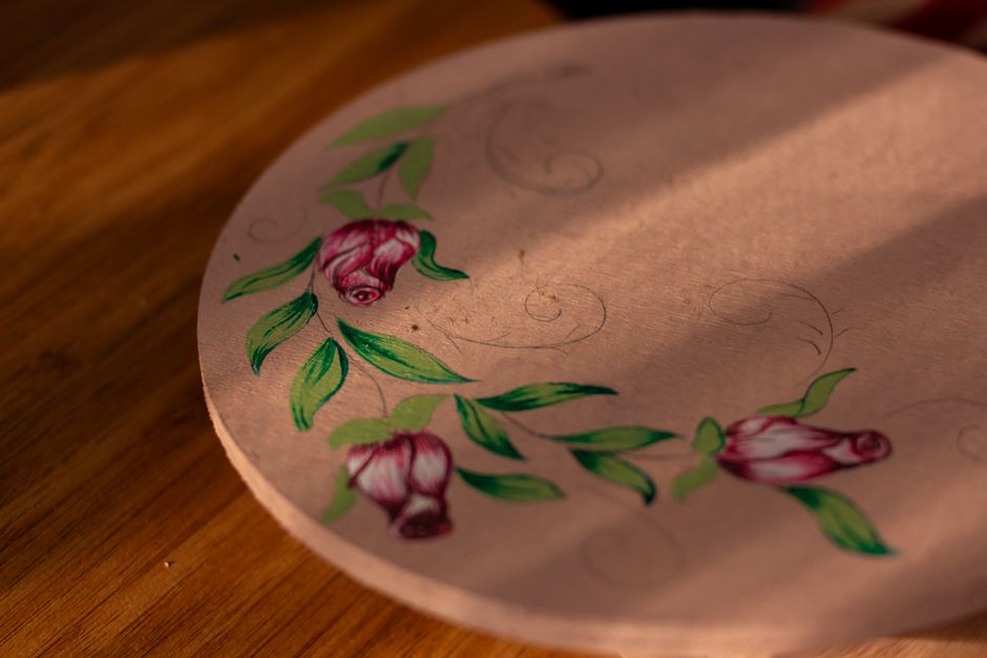
Every Millie Green accessory begins as a brass blank, cut and shaped into the familiar claw or barrette silhouette. The hand-painting process involves three stages: a base coat of opaque green, a layer of translucent enamel that adds the olive undertone, and finally a clear protective seal. The artisans who create these pieces work from a palette that has been refined over several seasons—too yellow and the green becomes garish, too blue and it loses its vintage warmth. The brass is left exposed on the spring mechanism and the hinge, a deliberate choice that allows the metal to develop a gentle patina over time, much like antique jewellery.
Collectors often note that the Millie Green finish is slightly matte rather than high-gloss. This is intentional: a glossy coating would make the accessory look modern, whereas the matte surface mimics the look of vintage enamel that has mellowed with age. The claws are designed with a gentle curve that follows the natural shape of the head, so they hold securely without pulling or leaving dents. The barrettes feature a sturdy hinge and a tension clip that works well on medium to thick hair.
How to Care for Your Millie Green Accessory
Hand-painted enamel requires a different kind of attention than mass-produced plastic or metal. Here are the key practices to keep your Millie Green piece looking its best:
- Avoid prolonged exposure to water. Remove the accessory before washing your face, swimming, or exercising. Moisture can seep under the enamel and cause lifting.
- Store separately. Keep your Millie Green claw or barrette in a soft pouch or a lined jewellery box. Contact with harder objects—keys, coins, other metal clips—can scratch the painted surface.
- Clean gently. Use a dry, lint-free cloth to wipe away hairspray residue or oils. If needed, lightly dampen the cloth with distilled water and dry immediately. Never use alcohol, acetone, or jewellery cleaning solutions.
- Handle by the spring or hinge. Oils from your fingers can gradually dull the enamel. When inserting or removing the accessory, hold it by the metal parts rather than the painted surface.
- Check the spring tension annually. If the claw feels loose, a jeweller can gently tighten the spring. Do not attempt to bend the metal yourself—it may crack the enamel.

Styling the Millie Green with a Modern Wardrobe
The strength of the Millie Green colour lies in its versatility. It belongs to that rare category of accessories that can be both a statement and a neutral. For a daytime look, try wearing the claw in a low twist with a cream cashmere jumper and charcoal wool trousers. The green adds a touch of colour without competing with the outfit. In the evening, the same piece works beautifully against a black velvet dress or a navy silk blouse—the olive undertone prevents it from clashing with cool blues and purples.
For those with red or auburn hair, Millie Green is especially flattering. The combination of warm copper and deep green recalls the colour schemes of Pre-Raphaelite paintings and 1970s bohemian style. Brunettes can pair it with camel, rust, or mustard tones for a 1940s-inspired palette. Blondes might choose to wear it with ivory and soft grey, letting the accessory become the focal point.
One practical tip: because the Millie Green is hand-painted, it pairs well with other vintage accessories that have a slightly worn or patinated look. Avoid mixing it with brand-new, high-shine metal pieces—the contrast can feel jarring. Instead, reach for a brass or tortoiseshell comb, or a leather headband with a matte finish.
A Note on Collecting
Millie Green pieces are produced in limited runs, and the colour is not always available. When a batch sells out, it may be several months before the next one is painted. This scarcity is part of the appeal for collectors who value the slow, deliberate process behind each accessory. If you find a Millie Green piece that speaks to you, consider it an investment in wearable history—a small, hand-painted reminder of the British love affair with green.