
The Oversized Straw Hat: A British Summer Icon Returns
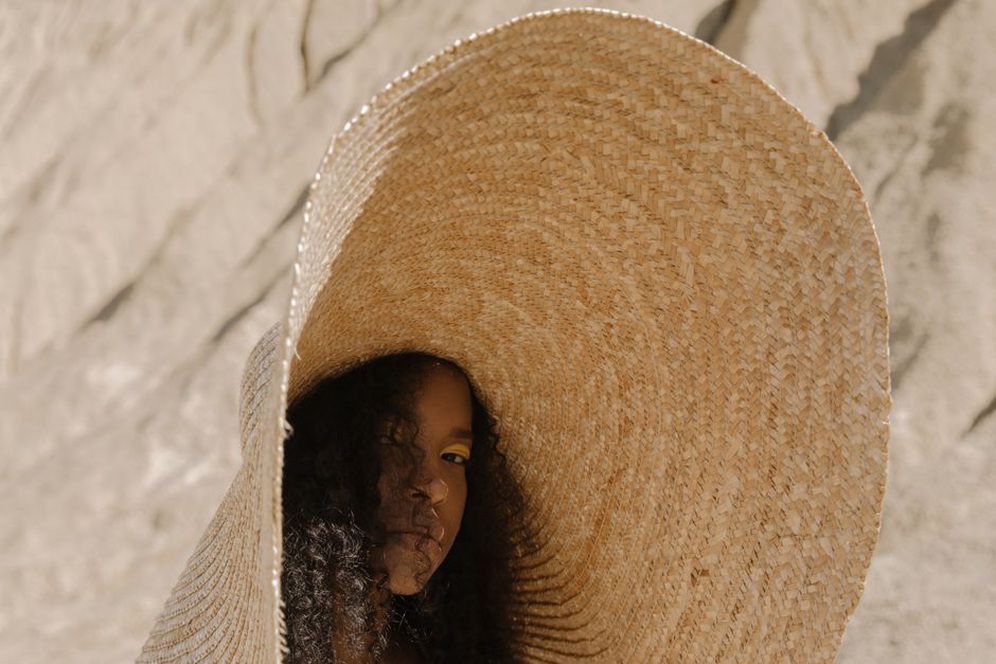
When the Maison Archives oversized straw hat first appeared in curated vintage collections, it was immediately recognisable by its generous brim—often spanning fifty centimetres or more—and the unmistakable halo of handwoven sinamay straw. This is not a hat designed for quick glances or timid sun protection. It is a statement piece rooted in the Edwardian and 1920s traditions of British leisurewear, when a wide-brimmed straw hat signified both social standing and a leisurely afternoon spent at Henley or Ascot. Today, Maison Archives has revived the silhouette with meticulous attention to original patterns, making it one of the most sought-after reproductions for vintage enthusiasts who value authenticity over fast fashion.
The Heritage of the Oversized Straw Hat in British Fashion
The oversized straw hat entered the British wardrobe in the late nineteenth century, when milliners began experimenting with imported Panama and Milanese straws. By the 1910s, society women wore enormous hats trimmed with silk flowers, velvet ribbons, and even whole birds—a practice later banned by the 1914 Plumage Act. The shape evolved through the 1920s: brims grew wider, crowns lower, and the overall effect became more sculptural. Photographs of the 1926 Ascot races show a sea of wide-brimmed straws, each one a personal canvas of millinery skill.
During the 1930s and 1940s, the oversized straw hat remained a summer staple, though wartime austerity meant simpler trims and more modest materials. It was not until the 1960s that the silhouette experienced a revival, thanks in part to celebrities like Audrey Hepburn, who wore a dramatic straw picture hat in Breakfast at Tiffany’s. That film, though American, cemented the association between wide-brimmed straw and effortless elegance in the British imagination.
Maison Archives has drawn specifically on these mid-century references. Their oversized straw hat reproduces the exact proportions of a 1962 British-made hat found in a Sussex archive: a 48-centimetre brim with a gently sloping crown, reinforced with a single wire edge. The result is a hat that feels both historically accurate and surprisingly wearable.
Materials and Craftsmanship: From Panama to Sinamay
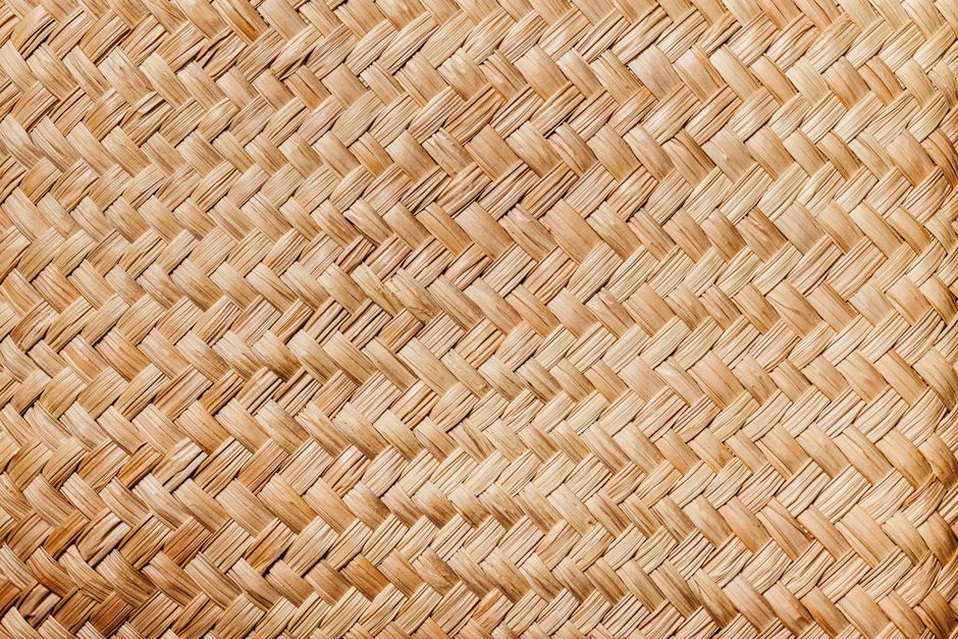
The choice of straw is critical to the hat’s character. Maison Archives uses a sinamay weave—a lightweight, open-weave straw made from abaca fibres, traditionally produced in the Philippines and Ecuador. Sinamay was favoured by Edwardian milliners because it could be shaped into dramatic curves without becoming brittle. Unlike tightly woven Panama straw, sinamay allows air to circulate, making it ideal for warm British summers when the sun makes a rare appearance.
Each hat begins as a flat piece of woven sinamay, which is then dampened and blocked over a wooden mould. The blocking process is done by hand, with skilled artisans coaxing the straw into the desired crown shape. The brim is cut with a slight upward tilt at the back—a detail that prevents the hat from slipping forward and keeps the wearer’s face fully visible. The edge is finished with a narrow wire covered in matching sinamay binding, a technique that adds structure without visible stitching.
Maison Archives offers the hat in three natural shades: undyed ecru, a soft honey, and a deeper tobacco. The ecru version most closely resembles the original 1962 hat, while the honey and tobacco tones nod to later 1970s interpretations. None of the colours are achieved with chemical dyes; instead, the abaca fibres are sun-bleached or treated with natural plant pigments, a process that takes several weeks but results in a nuanced, non-uniform colour that changes subtly with the light.
Maison Archives: A Faithful Reproduction
What sets this hat apart from other reproductions is the archive-based research behind it. The brand’s founder, a former costume historian, spent two years tracing the original pattern through private collections and museum archives. The final design was approved only after a side-by-side comparison with the original under natural light—checking the angle of the brim curve, the depth of the crown pleats, and the spacing of the weave.
For those who appreciate faithful reproductions of vintage garments, the principles behind this hat mirror those discussed in the guide to the Products Copy of 70s Maxi Dress 1: A Guide to Faithful Reproductions. Just as that dress respects original seam allowances and fabric weights, this hat honours the original milliner’s techniques—including the use of a cotton petersham ribbon inside the crown for fit adjustment, a detail rarely found in modern factory-made hats.
The result is a hat that feels substantial yet light, with a brim that holds its shape even in a breeze. It is not a costume piece; it is a functional accessory that can be worn to a summer wedding, a garden party, or simply as a bold finishing touch to a linen dress.
Styling the Oversized Straw Hat Today
Incorporating such a dramatic hat into a contemporary wardrobe requires a thoughtful approach. The key is balance: let the hat be the focal point and keep the rest of the outfit simple. Here are a few practical combinations that work well with the Maison Archives oversized straw hat:
- With a tailored blazer and wide-leg trousers – the hat’s soft natural tones complement cream or navy blazers. Avoid adding a scarf or large earrings; let the hat speak.
- Over a midi shirtdress – choose a dress in a solid colour (sage green, pale blue, or rust) to echo the hat’s earthy palette. Flat sandals or low wedges keep the look relaxed.
- As a contrast to modern denim – an oversized straw hat worn with high-waisted jeans and a simple white cotton blouse creates an intentional juxtaposition of vintage and contemporary. A thin leather belt in a warm brown ties the elements together.
- For evening occasions – the honey-toned hat pairs unexpectedly well with a black silk slip dress. Add a single strand of pearls and a clutch bag; the hat becomes an elegant alternative to a fascinator.
When styling, consider the season. In early summer, the ecru hat with a floral cotton dress feels fresh. By August, the tobacco hat with a linen jumpsuit and espadrilles channels a 1970s holiday mood. The hat can also be worn with hair down or in a low chignon; avoid high ponytails or elaborate updos that compete with the brim.
Caring for Your Straw Hat
Natural straw is resilient but requires gentle handling. Sinamay, in particular, can become limp if exposed to heavy rain or prolonged humidity. To keep your Maison Archives hat in excellent condition, follow these care steps:
- Brush regularly – use a soft, dry brush (a clean makeup brush works well) to remove dust from the weave. Brush in the direction of the straw to avoid snagging.
- Spot clean with care – if a mark appears, dab it with a barely damp cloth and mild soap. Never soak the straw. Allow to air dry away from direct heat.
- Reshape after wear – if the brim loses its curve, lightly steam the affected area with a garment steamer held at a distance, then reshape with your hands and let it cool.
- Store upside down – place the hat on a clean, flat surface with the crown resting on a padded hat stand. Avoid hanging it by the brim; the weight can cause distortion.
When not in use, always store your oversized straw hat in a breathable cotton hat box, away from direct sunlight, to preserve the natural fibres for decades to come.