
The Pink Lottie Hair Claw: A Vintage British Accessory Worth Collecting
There is a particular shade of pink that feels distinctly British — not the candy-floss pastels of American prom queens, nor the electric neons of 1980s Tokyo, but a dusty, blushing rose that appears on vintage tortoiseshell-inspired acetate. The Lottie hair claw in pink belongs to this quiet lineage. It is neither a statement piece that screams for attention nor a minimalist afterthought. Instead, it sits in that sweet spot between utility and ornament, a small sculpture designed to hold a twist of hair while adding a soft whisper of colour.
For readers who collect vintage hair accessories, the name Lottie may already ring familiar. It refers to a specific silhouette — a rounded, slightly elongated claw with a gentle curve that follows the contour of the head. The prongs are short and widely spaced, making it suitable for medium to thick hair without the aggressive grip that can snap fine strands. The pink version, often found in a semi-translucent rose shade with subtle marbling, is one of the most sought-after colourways among British collectors. It appears in second-hand markets from Portobello Road to Edinburgh charity shops, and its popularity has endured because it solves a real problem: how to keep hair off the face without sacrificing elegance.

What Makes the Lottie Silhouette Distinctive
The Lottie claw belongs to a family of hair accessories that emerged in the late 1950s and flourished through the 1960s and 1970s. Unlike the heavy metal barrettes of the Edwardian era or the plastic banana clips of the 1980s, the Lottie was designed for everyday wear. Its shape is best described as a rounded rectangle with softened corners — think of a pebble smoothed by water. The spring mechanism is housed inside the body of the claw, which means the hinge is invisible when the clip is closed. This gives the accessory a clean, almost seamless look.
One of the defining features of an authentic Lottie claw is the way the prongs taper. They are thickest at the base and narrow to a rounded tip, which reduces the risk of snagging. The inner surface of the claw is slightly textured, not smooth, to provide gentle friction that keeps the clip in place without needing to clamp down hard. Collectors often describe the hold as “confident but kind” — a phrase that captures the balance between security and comfort.
Materials and Craftsmanship: Acetate and the Art of Marbling
The pink Lottie claw is almost always made from cellulose acetate, a semi-synthetic plastic derived from wood pulp or cotton fibres. Acetate was the material of choice for mid-century British hair accessories because it could be moulded at low temperatures, dyed in rich colours, and polished to a high gloss. Unlike the brittle plastics that followed in the 1980s, acetate has a warm, organic feel. It warms to the touch and develops a subtle patina over decades of use.
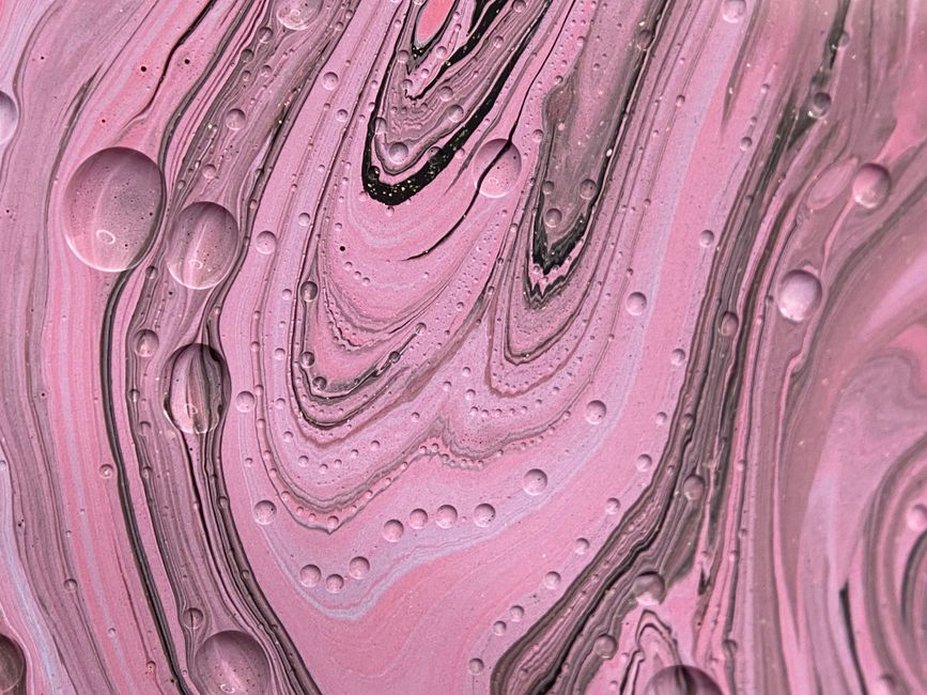
The pink colour in vintage Lottie claws is rarely uniform. Look closely, and you will notice delicate swirls of deeper rose and faint cream, the result of a marbling technique where two or more colours are gently stirred together before the acetate sets. Each claw is therefore slightly unique — no two pieces have identical marbling. This individuality is part of the appeal for collectors who value the handcrafted quality of vintage production.
Styling the Pink Lottie Claw with a Modern Wardrobe
The beauty of a vintage pink hair claw lies in its versatility. It pairs naturally with the soft, feminine silhouettes that defined British fashion in the 1960s — a floral tea dress, a cashmere twinset, a tailored A-line skirt. But it also works surprisingly well with contemporary pieces. Here are three combinations that readers have shared with us over the years:
- With a cream linen blazer and cropped trousers. The pink claw adds a gentle accent to an otherwise neutral outfit, echoing the blush tones of a classic British lipstick.
- With a chunky knit sweater in oatmeal or grey. The contrast between the soft, chunky wool and the glossy acetate creates an interesting textural dialogue. This look works especially well for autumn walks or casual Sunday lunches.
- With a simple black slip dress and pearl earrings. The pink claw becomes the focal point, a small burst of colour that lifts the monochrome palette. For readers who own the Conche Shell and Pearl Earrings, this combination creates a cohesive vintage-inspired look without feeling costumed.
When it comes to placement, the Lottie claw is forgiving. It can hold a low twist at the nape of the neck, a half-up style that leaves the rest of the hair loose, or a side-swept section behind one ear. The claw’s rounded shape sits flush against the head, so it does not create an awkward bump under a hat or hood.
How to Identify an Authentic Vintage Lottie Claw in Pink
The market for vintage hair accessories has grown considerably in the last decade, and with it, the number of reproductions. While modern claws can be charming in their own right, collectors seeking an original Lottie should look for a few telltale signs:
| Feature | Authentic Vintage (1960s–1970s) | Modern Reproduction |
|---|---|---|
| Material | Cellulose acetate, warm to the touch, slight camphor smell when new | Injection-moulded plastic (polystyrene or ABS), cool and uniform |
| Colour | Irregular marbling, subtle variations in tone | Solid colour or printed pattern, often too uniform |
| Weight | Light but substantial, with a slight heft | Very light, sometimes feels hollow |
| Spring | Metal spring, visible when prongs are separated, smooth action | Plastic spring or thin metal, often stiff or squeaky |
| Markings | Occasional “Lottie” or “Made in England” embossed on the inner arm | No markings, or generic “China” stamp |
If you find a pink claw at a car boot sale or vintage fair, hold it up to the light. Authentic acetate will show a slight translucency, like stained glass. The edges should be smooth and polished, not sharp. And the spring should open and close with a soft, confident click — not a jarring snap.
Caring for Your Pink Lottie Claw
Acetate is durable, but it has its quirks. It can become brittle if exposed to prolonged direct sunlight or high heat, so store your claw away from windows and radiators. A soft cloth pouch or a lined jewellery box is ideal. If the claw becomes cloudy or dull, a gentle wipe with a microfiber cloth and a drop of mineral oil can restore its lustre. Avoid alcohol-based cleaners, which can strip the surface and cause cracking.
One common issue with vintage acetate claws is warping. If the claw no longer closes evenly, it may have been stored under heavy objects or in a hot car. Mild warping can sometimes be corrected by gently heating the claw with a hairdryer on a low setting and pressing it flat between two books for a few hours. This is a delicate operation — if you are unsure, consult a restorer who specialises in vintage plastics.
For readers who are new to collecting vintage hair accessories, the pink Lottie claw is an excellent starting point. It is affordable, widely available, and forgiving in terms of styling. It also connects you to a tradition of British accessory design that valued craftsmanship over mass production. Once you have found your first piece, you may find yourself looking for others — perhaps a faithful 1970s two-piece knit to wear alongside it, or a matching pink headband for days when you want to keep every strand in place.
The Lottie hair claw in pink is more than a functional object. It is a small archive of mid-century design sensibility — a reminder that everyday accessories can be both practical and beautiful. Whether you wear it to a vintage fair, a gallery opening, or simply to keep your hair tidy while reading on the sofa, it carries with it a quiet history of British style.